




AANHPI Month: Where to Celebrate, Eat, and Learn Around Seattle
From festivals and museum exhibits to food tours and historic neighborhoods, here are a few ways to mark the month across the region.
By Alicia Erickson April 29, 2026
Asian American, Native Hawaiian, and Pacific Islander Heritage Month—known as AANHPI Month—is observed in the U.S. each May. It began as a weeklong observance in 1978 and expanded to the full month in 1992. Asian, Hawaiian, and Pacific Islander communities in the United States extend back much further, including to the late 16th century, when Filipinos arrived in Morro Bay, California, on Spanish ships.
The first major wave of Asian migration to the U.S. came in the mid-1800s during the California Gold Rush. By the 1860s, Chinese immigrants were settling in Washington state, and by the 1870s, many had arrived to work on railroads, including the Walla Walla and Columbia Railroads. In the 150 years since, Asian, Native Hawaiian, and Pacific Islander communities have helped shape Washington, where roughly 13%, or about 900,000 people, identify as AANHPI, representing more than 40 countries.
Throughout May and beyond, celebrate Washington’s Asian American, Native Hawaiian, and Pacific Islander communities by attending festivals, supporting AANHPI-owned businesses, visiting art exhibits, and learning more about historic sites and neighborhoods.
Join in Cultural Festivities
AANHPI Month kicks off with two festivals on May 2. The annual Seattle Center AANHPI Month celebration, which has been taking place since 2002, is a free event for all to join. Live performances, including a K-Pop dance group, hula dancing, and Indian Bollywood dancing, take place throughout the day, along with cultural activities, booths, and tasty bites from across the expansive region.
“There are about 60 community groups represented at our festival,” says Peter Tsai, Producer of the Festál AANHPI Heritage Month Celebration. “It’s part cultural, part educational—showcasing that the AANHPI community is more diverse than many think.”
Also taking place on May 2 is the AANHPI Heritage Festival in Mountlake Terrace. Come for an afternoon of hula performances, Siberian folk music, and Filipino food trucks.
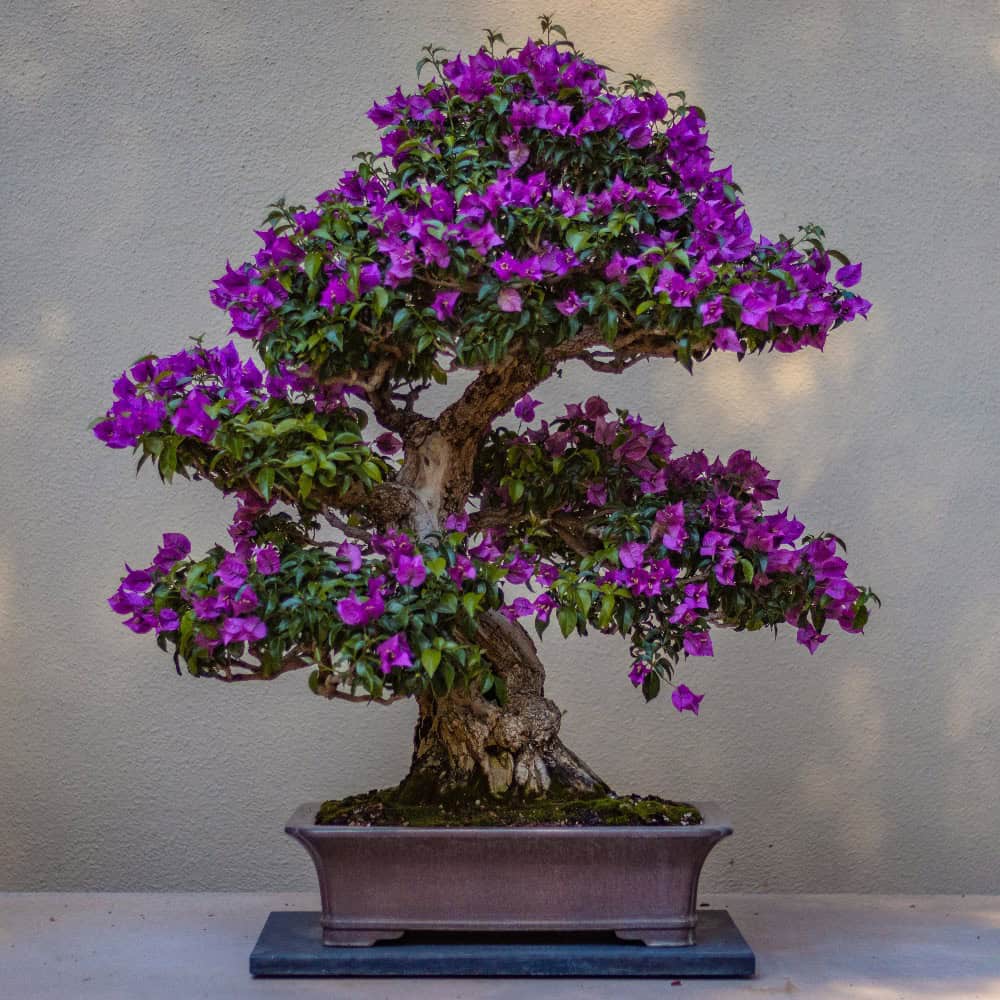
The following weekend, which coincides with both Mother’s Day and World Bonsai Day, Federal Way’s Pacific Bonsai Museum is hosting the Bonsai Fest May 9-10. While not specifically for AANHPI month, the occasion honors bonsai—the Japanese art of shaping miniature trees. Come for live bonsai demonstrations, guided tours, food, and more.
Bainbridge Island—an important place for Japanese American history with a close-knit community dating back to the 1880s and forcibly removed during World War II—hosts events throughout all of May for AANHPI Month. The Asian Arts and Heritage Festival (now in its third year) was first created by Stephanie Reese as “a combined inclusive festival that helped people learn about our history here and also our rich backgrounds.”
Thirty events are on the lineup for this year’s festival. “From highlighting the original farming families (Japanese, Filipino and Indipino), to the stories of Japanese families who were forcibly removed and incarcerated, to the recognition of the Indipino culture (Indigenous and Filipino), we have found a way to both honor history and also learn about other cultures with the different events offered throughout the month,” says Reese.
This year, a few of the events on the lineup: learn how to play Mahjong while snacking on dumplings and celebrate Melanesian, Fijian and West Papua cultures with food, dance and art. The final day on May 31 features a diverse lineup of Mongolian throat singers, taiko drummers, food vendors, Japanese dancers, and more. While you’re on Bainbridge Island, stop by the Japanese American Exclusion Memorial remembering the tens of thousands of Japanese who were put into concentration camps during WWII.
Explore Seattle’s Asian Art Scene
From the Seattle Asian Art Museum and permanent exhibits at the SAM, Seattle never has a shortage of places to admire Asian art. However, there are several new and recently launched exhibits around town that are worth a look.
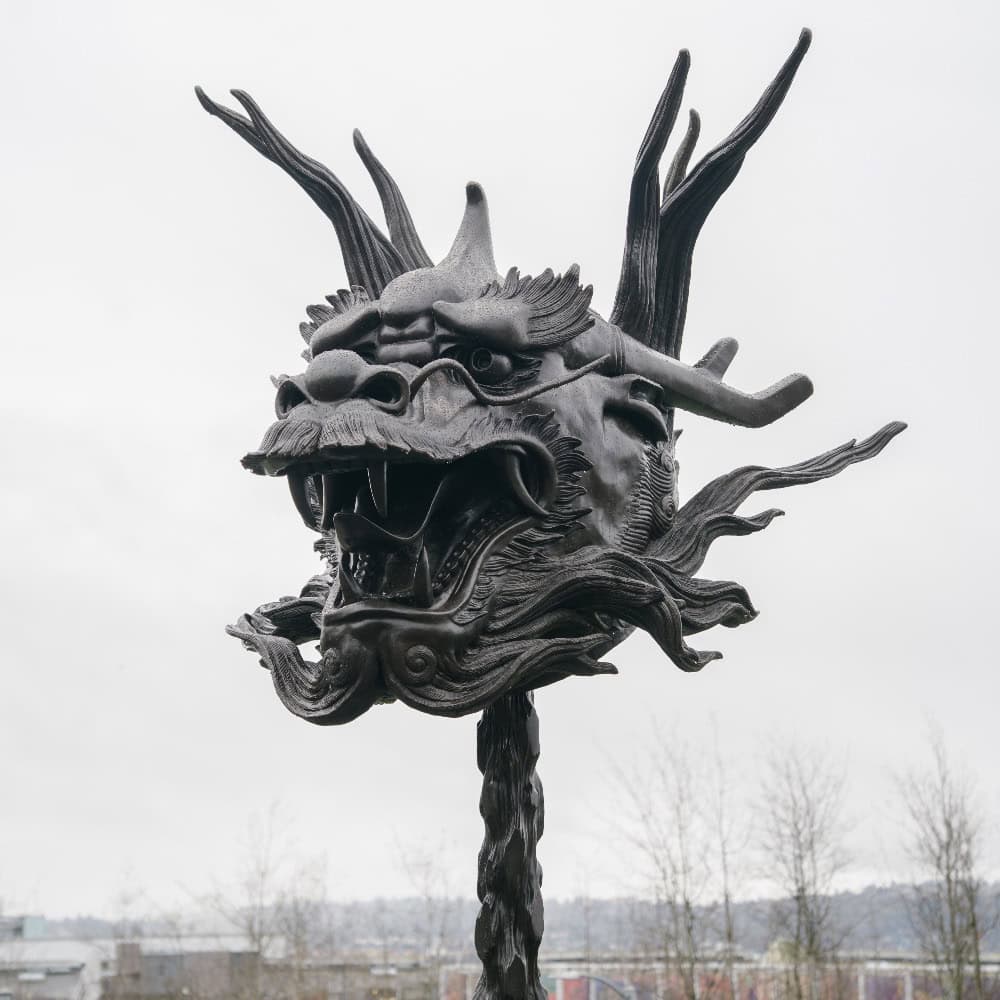
The Olympic Sculpture Park has two new works by Asian artists as of early this year. Showing through Jan. 31, 2029, the Qiu Zhijie: Map of the History of Science and Technology displays an artistic map incorporating technical and scientific advancements from Asia and Western countries spanning ancient to contemporary times. Qiu Zhijie’s map follows how interconnected ideas have been across time and space, from the discovery of bronze and iron to the invention of the wheel, and paper making. Ai Weiwei also has a new exhibit in the Olympic Sculpture Park, through Oct. 24, 2027. Circle of Animals/Zodiac Heads has 12 zodiac animal heads arranged in a semicircle, starting with Rat and ending with Boar. These sculptures are a reimagination of the zodiac heads that once decorated the 18th-century Qing imperial fountain.
At the SAM, check out Samantha Yun Wall’s What We Leave Behind, showing through Oct. 4. Wall’s paintings feature overlapping silhouettes of women and the Pasque flower, drawing inspiration from a Korean folk story of loss and remembrance. The CID’s Wing Luke Museum exhibits—Ten Thousand Things, Lost & Found: Searching for Home, and DISplace—are all powerful reflections on home, roots, and hidden stories in the diaspora. Wing Luke is also holding a spring market on May 27, supporting local businesses and designers.
A Taste of Asia in Seattle
It’s no secret that some of Seattle’s most prominent flavors hail from across Asia and the Pacific Islands. Indian, Thai, sushi, and ramen shops can be found on almost every street. Drawing on Seattle’s fresh seafood and Japanese influence, omakase restaurants are increasingly popular for their artistic and seasonal multi-course meals. Cold days fill steaming hot pot spots in Seattle Chinatown-International District (CID) and pho shops in the University District. Many of these small restaurants—especially the older ones—are family-owned. Any day is the perfect opportunity to stop by for a plate of teriyaki or a bowl of bun.
In more recent years, Khmer, Laotian, and Filipino restaurants are popping into Seattle’s dining scene, reflecting the diverse demographics of the Emerald City. A new addition is Nudibranch Coffee in Capitol Hill, Seattle’s first Thai coffee shop that opened earlier this year.
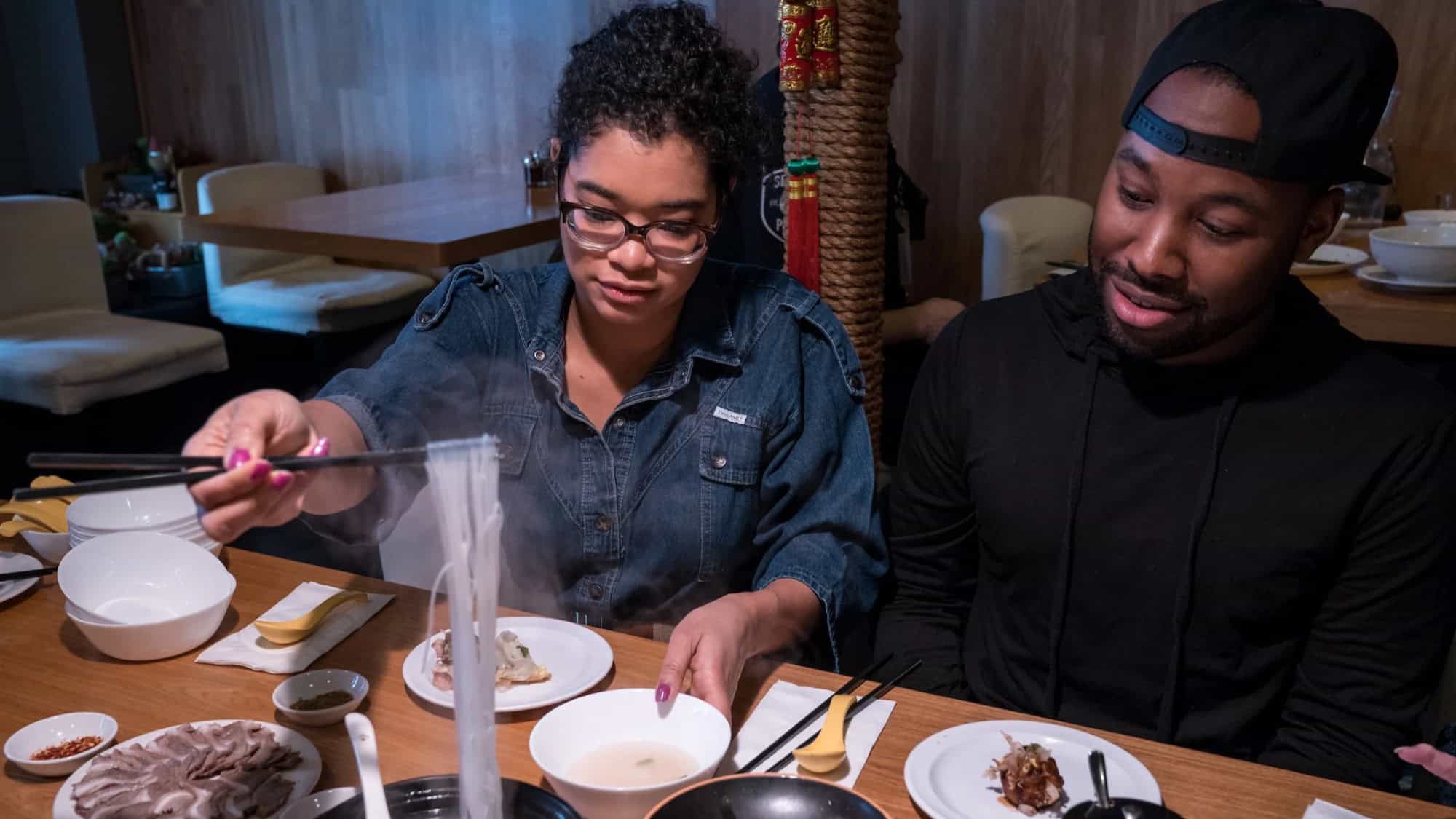
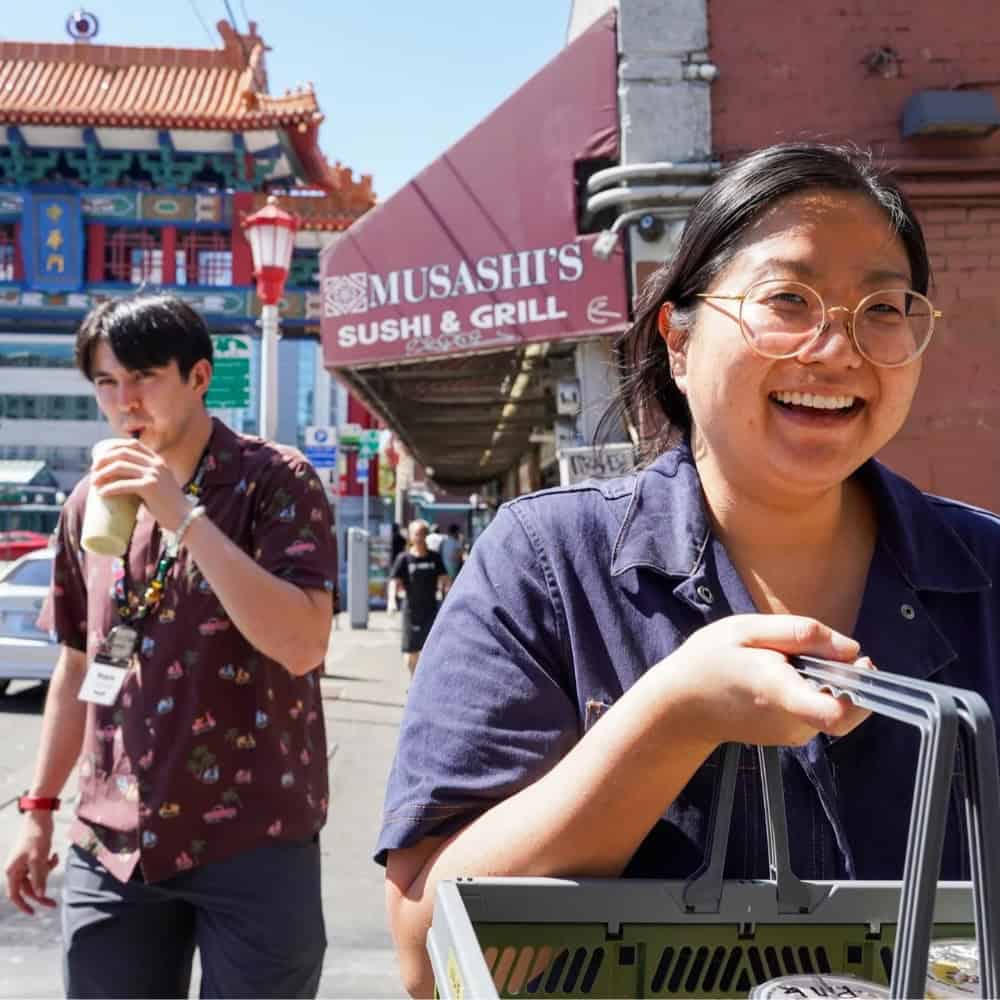
If you’re curious to learn more about where and what to eat in the CID, Wing Luke Museum runs food tours on select Fridays, including May 8, 15, and 22. Taste of Chinatown-International District tours date back to 1985, with the hope of rallying the community around a neighborhood that was stigmatized and to find connection through food.
Support the Community Year-Round
Honoring Seattle’s Asian, Hawaiian, and Pacific Islander communities shouldn’t be limited to a month a year. Support AANHPI-owned businesses, such as Mam’s Books, an independent, Asian American-owned bookstore or family-run Dong-Sing Market selling hot pot staples and fresh produce, both in the CID. In Japantown, women-owned Sairen sells art, homeware, and clothes by independent Asian American makers. And in the University District, the family-owned Shiga’s Imports has been stocking kimonos, teas, and Japanese dishware since the 1950s.
Throughout the year, find ways to volunteer with Seattle’s historic Asian neighborhoods. Get involved with events like the Lunar New Year celebration and the CID Night Market or join the community for trash clean-ups the second Saturday of the month in Hing Hay Park.
Follow Us
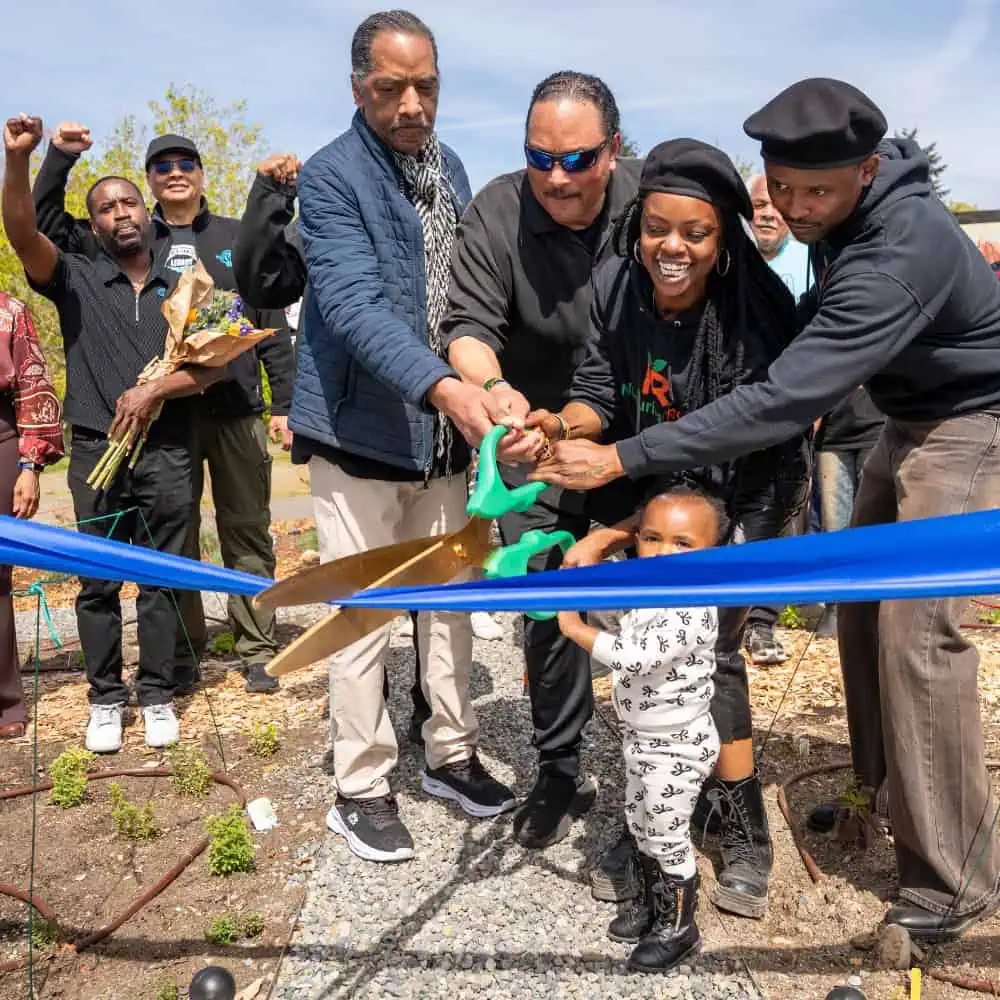
Black Panther Park in Skyway Becomes First Black Panther Park in the World
The new community garden honors the Black Panther Party’s legacy of food justice and the Skyway neighbors who helped bring it to life.
On a sunny Sunday earlier this month, at the corner of 75th Avenue and Renton Avenue South, the community gathered for the opening of Skyway’s Black Panther Park. Inspired by the Black Panther’s Free Breakfast for School Children program that compelled the federal government to provide breakfast in schools, Black Panther Park is a community…

Rearview Mirror: A Family Coming Apart, SIFF, and My First Fashion Show
Things I did, saw, ate, learned, or read in the past week (or so).
The Family House A house can hold a lot, and Seattle Rep’s Appropriate knows that. Branden Jacobs-Jenkins’ Tony-winning play, directed here by Timothy McCuen Piggee, drops the Lafayette siblings into their late father’s hoarded, falling-apart Arkansas plantation home for an estate sale, and lets the whole thing crack open from there. The sibling dynamics are…

Studio Sessions: Raili Jänese
The Kirkland painter brings a playful eye to daily life and the little rituals of being human.
Artist Raili Jänese pays close attention to the small stuff. It might be a goose on the move, a rabbit in the yard, or a person lost in the rituals of coffee or cooking. The Estonian-born artist, now based in Kirkland, makes colorful acrylic works that turn everyday behavior—human and animal alike—into something funny and…
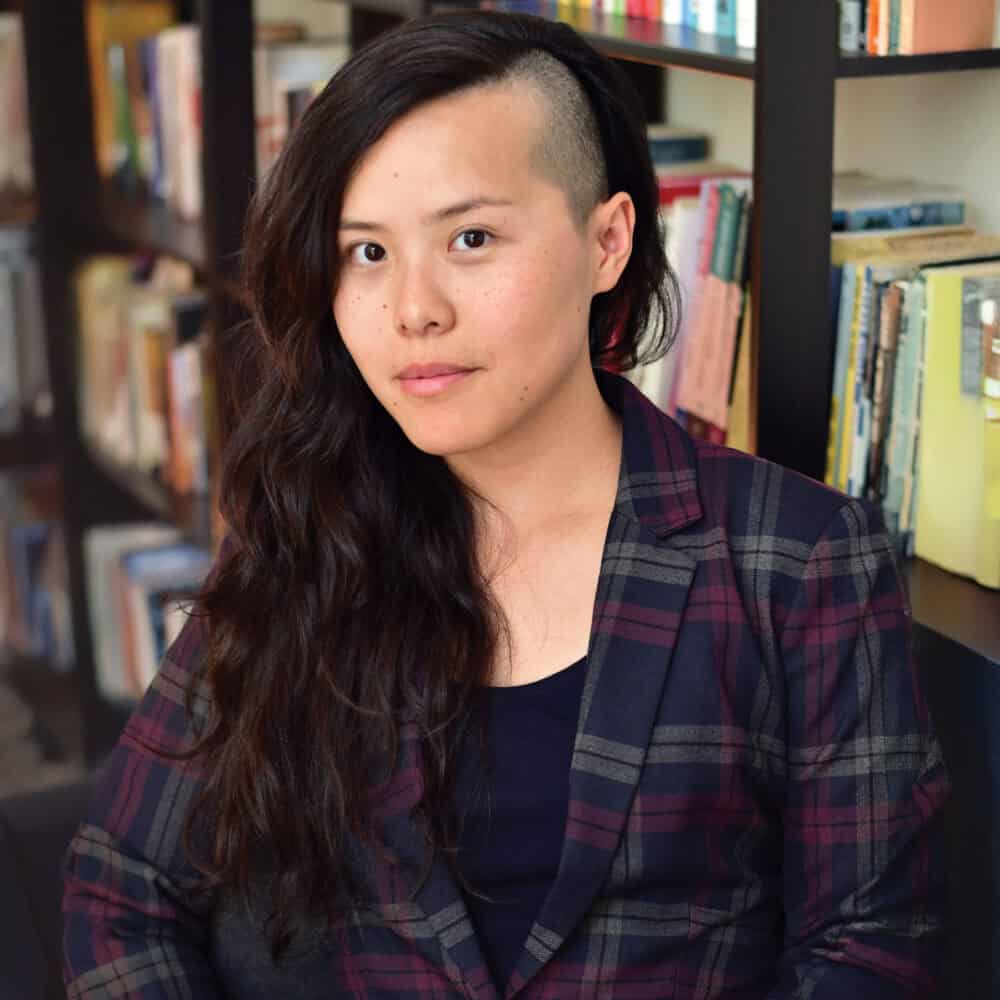
Getting Ghosted: A New Northwest Novel Tackles Alienation in the Face of Loss
Kim Fu’s latest novel turns a rain-soaked Pacific Northwest winter into the backdrop for a story about grief and loneliness.
In their latest novel, Seattle-based author Kim Fu gets one thing right about the Pacific Northwest: the rain. Set during a particularly bleak winter, The Valley of Vengeful Ghosts tells the story of Eleanor Fan, an online therapist grappling with the recent loss of her mother, Lele. After Lele’s passing, Eleanor inherits money to put…