




Thankfully, Superb Washington Rosé is Always in Season
Once a fleeting sign of spring, Washington rosés have bloomed into a favorite yearlong sipper.
By Paul Zitarelli June 22, 2017
This article originally appeared in the June 2017 issue of Seattle magazine.
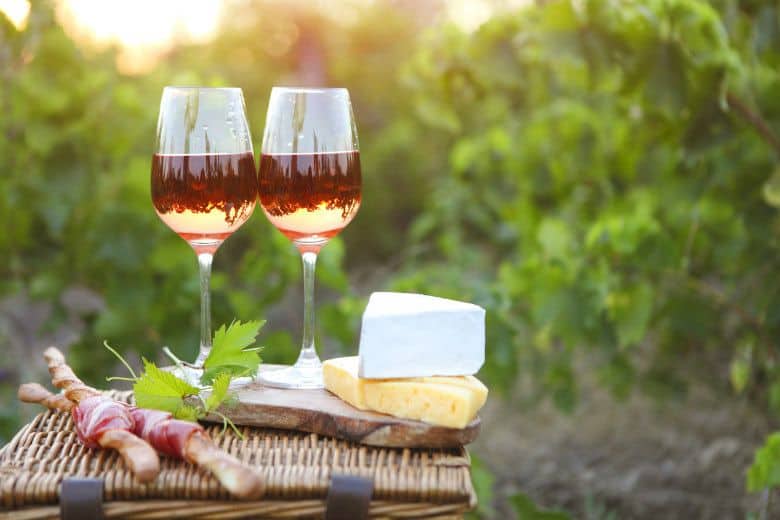
My first Tasting Notes column for this magazine appeared in summer 2013. The topic? Dry, new-school Washington rosé, then in the early, buzzy stages of its emergence. In the subsequent four years, that buzz has turned into a roar, as we Seattleites have been treated to a flood of crisp, dry, delicious pink wines.
“Rosé is here to stay,” enthuses Trey Busch of Walla Walla-based Sleight of Hand Cellars, whose side label Renegade produces one of the finest and best-priced rosés in Washington each summer. “Consumers are realizing what a versatile wine rosé can be. It’s an incredible food wine, as well as the perfect wine for the deck or boat or pool in the summer. It’s also proven to be a year-round wine now.”
That is one of the biggest changes in the past few years. Rosés used to be mayflies that would appear in spring and blink out of existence a few short months later. Now, with winemakers increasing production levels and with rosé lovers guzzling bottles well beyond Labor Day (rosé is an underappreciated pairing with Thanksgiving turkey and is also known for taking the edge off awkward extended-family conversations), there is barely a page on the calendar that can’t be partially colored pink.
These wines are indeed versatile food-pairing choices, matching up well with difficult-to-complement items like vinaigrette-soaked salads, and offering a seriously guilty pleasure when paired with an egg-centric brunch. A simple roasted chicken is always elevated by a glass of pink wine, and more robust rosés can stand up to darker cuts of pork. (Even bacon. Seriously, drink rosé with brunch! You can thank me later.)
Rosés can be made from any red grape (and even a few whites). That diversity is a strength. “Because rosés are made from a variety of different grapes,” notes Busch, “you have a wide range of flavors, so consumers can experiment and find the grapes that agree with them.” The buzziest rosé of last summer was Mr. Pink (the name is a callout to Reservoir Dogs), developed by Busch and Mark McNeilly of Walla Walla’s Mark Ryan Winery for their Underground Wine Project label. They chose to use Sangiovese, which Busch praises for its “underlying earthiness and terrific natural acidity, which is the key to a successful dry rosé.”
There is enough of a track record now that we know which varieties work particularly well for Washington rosé. Sangiovese does, for certain, long championed by Barnard Griffin’s neon-pink version. Traditional Rhône and Provençal grapes—Grenache, Cinsault, Mourvèdre—are lovely. Rosés of Cabernet Franc offer a subtle version of that grape’s green complexities (cucumber, watercress) that pairs beautifully with berry and melon fruit. A shade of pink for every palate.

Courtesy of respective wineries; Gail Frank Photography (Isenhower)
5 Washington rosés to try
2016 Isenhower Rosé: $14
Walla Walla–based winemaker Brett Isenhower shows why Cabernet Franc is such a lovely choice for dry rosé. In addition to watermelon and strawberry fruit, Franc’s compelling green notes assert themselves beautifully: cucumber, sweet pea and watermelon rind. There’s a real minerality that emerges in the mouth. This drinks like rosé filtered through crushed rocks. pairs with: A fava bean and pecorino salad.
2016 Mr. Pink Rosé: $13
The most exciting debutante rosé from last summer returns for its sophomore vintage. Part of Trey Busch and Mark McNeilly’s (Mark Ryan Winery) Underground Wine Project, it is made from 100 percent Sangiovese, a grape with loads of natural acidity. That bright acid serves this wine well, complementing a core of plump cherry and citrus peel fruit. Mouthwatering, refreshing, bone dry: This is midsummer rosé through and through. pairs with: Grilled salmon dusted with salt, pepper and green tea powder.
2016 Seven Hills Rosé: $17
This rosé, from Casey McClellan of Seven Hills Winery (Walla Walla), is also dominated by Cabernet Franc, although it blends small amounts of Petit Verdot and Malbec as well. Pouring pale pink, it kicks off with a nose of watermelon, cherry fruit and watercress. The wine is a dry, balanced delight, with plenty of complexity for those inclined to pay attention, and plenty of patio-pounding pleasure for those inclined to guzzle. pairs with: Scrambled eggs, served with a salad of fresh little lettuces with a simple Dijon vinaigrette.
2016 Renegade Rosé: $12
Renegade is a side label for Trey Busch, and his rosé blends Rhône varieties Syrah, Grenache and Cinsault. Year in and year out, it is the finest $12 rosé produced in Washington, offering a dry, crisp, eminently drinkable style of pink. The mix of citrus, berry and melon fruit drinks best with a nice hard chill. pairs with: A BLAT sandwich. The “A” is for avocado.
2016 Tranche Pink Pape: $20
A total ringer for a dry Provençal rosé, this has become one of the most consistently successful pink wines released each year in Washington. Walla Walla-based winemaker Andrew Trio blends 47 percent Grenache, 27 percent Counoise and 26 percent Cinsault, all from Tranche’s estate Blackrock Vineyard in the Yakima Valley. A core of green strawberry and melon fruit is complicated by aromatic notes grassy and mineral in turn. That complex nose gives way to a palate full of verve and character. pairs with: Cast-iron-seared pork chops with a side of sautéed pea vines over polenta.
Follow Us

Seattle’s Pizza Just Keeps Getting Better
New openings across the city make a strong case that Seattle can finally stop apologizing for its pies.
Complaining about Seattle’s pizza scene is a well-worn civic ritual, on par with decrying the sad state of the city’s sports teams. But wake up: It’s 2026, the Seahawks are world champs, the Sonics are coming back, and Seattle is awash in great pizza. Granted, this town of transplants has no “style” to claim as…
Grounds for Success: Instant Coffee Brand Seoulli is Bringing Korean Café Culture to the Pacific Northwest
Liz Kang and her best friends aren’t strangers to the entrepreneurial journey. With roots in fashion, merchandising, tech, and business ownership, the local group of Korean American women grew up together dreaming about future success. Their newest venture is Seoulli, a Korean instant coffee brand that’s introducing the Pacific Northwest—and the world—to Korean café culture,…

Restaurant Roundup: Rooftop Bites and Pineapple Juice Coffee
Here’s what was served up recently in the Emerald City.
If you thought getting a table for before- or after-noon pancakes and mimosas was difficult before, hold on to your orange juice—the great brunch crunch is coming. We kid, but Mother’s Day is just over a week out, and sometimes to make Mom feel special, putting in the time to wait in line is the…
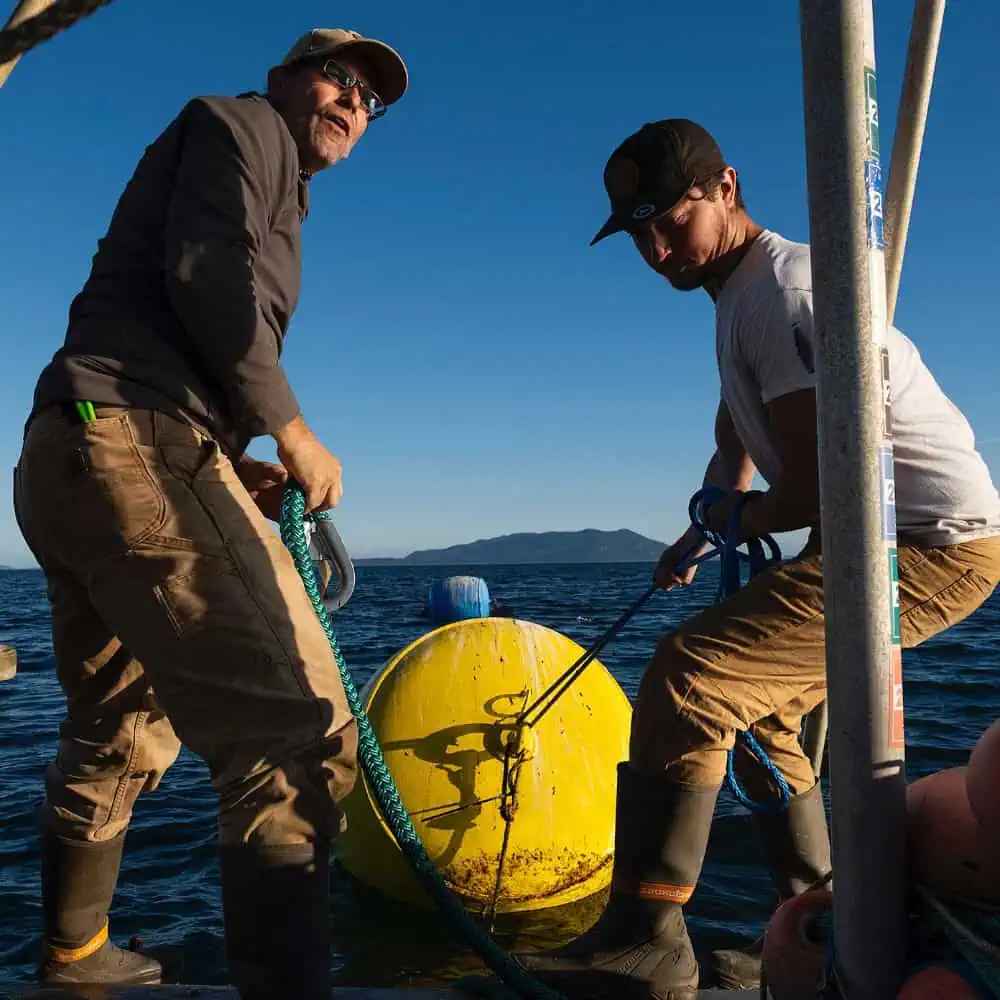
Photo Essay: The Reefnetters of Legoe Bay
A photographer’s look at the small Lummi Island fleet taking part in a long-standing fishing tradition.
While driving across the country from Detroit to San Francisco in October 2024, I stopped on Lummi Island, about 10 miles west of Bellingham, to visit my friend Peter. I had met Peter while traveling with Bread & Puppet Theater, photographing its national tour. He thought I might be interested in documenting the fishing there,…