




The Quiet Alchemy of Whidbey Island
Where to stay, eat, shop, and explore on Washington’s largest island.
By Natalie Compagno and Greg Freitas March 17, 2026

Whidbey Island feels like a secret you’re allowed to keep. Celebratory and comforting at once, an instant restorative—salt air and cedar working their quiet alchemy—while still carrying the promise of surprise around every bend.
In a state renowned for its islands, it is the largest: 51 miles of farmland, forest, and tide-washed shoreline suspended between weather and memory. There are two ways to cross the threshold: from the north over Deception Pass, or from the south by ferry. Each is a quintessential Pacific Northwest moment, and we try to experience both whenever we can.
The bridge—steel trusses flung 180 feet above churning blue-green water—offers the more cinematic arrival, mist, gulls, and View-Master images in the blink of an eye. By the time we reach the southern end of the span, the mental shift is complete: the mainland recedes, and the island gathers us in.
Once the road narrows past Oak Harbor, the island reveals its quieter, truer self. Roadside farm stands punctuate the drive. At Three Sisters Market, inside a former firehouse, shelves showcase island-grown meats, seasonal produce, pantry staples, and Washington wine. It’s a ritual, gathering supplies and some souvenirs, letting the flavors set the tone for the weekend ahead.
Coupeville
Where to stay
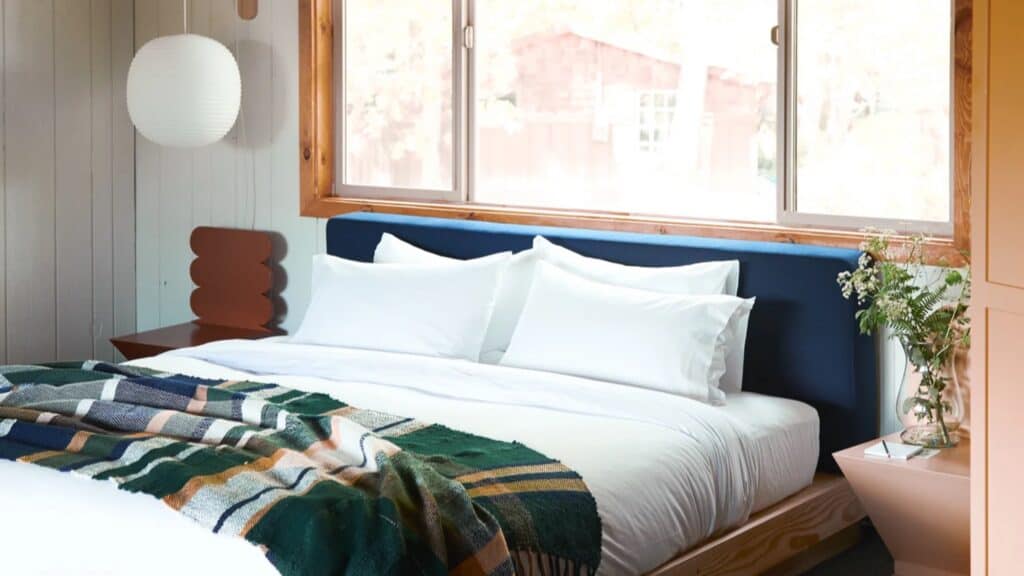
Then Penn Cove comes into view and the pace slows further. Captain Whidbey Inn sits just off the water, a 1907 lodge that has been carefully renovated. With exposed beams and deep porches, the stand-alone cabins retain their historic charm, but the interiors have been hygge-fied into tiny house nirvana. Penn Cove mussels appear in the restaurant, served steps from where they were harvested. Dinner unfolds against the shimmering colors of the cove as daylight fades.
Where to eat
Coupeville lies minutes away—walk, bike, or drive to its historic waterfront facing the wharf and the cove. The town invites wandering. At Bayleaf, we feast on perfect deli sandwiches perched on stools surrounded by cheese displays and gift items that seem to be dining with us. Then we assemble an impromptu picnic for later from imported cheeses, tinned fish, and thoughtfully suggested wine. Little Red Hen Bakery turns out one of the most memorable mushroom quiches we’ve ever tasted. Order a quiche and a sweet pie—the generous, savory-sweet options are perfect for days of exploring or feeding a crowd.
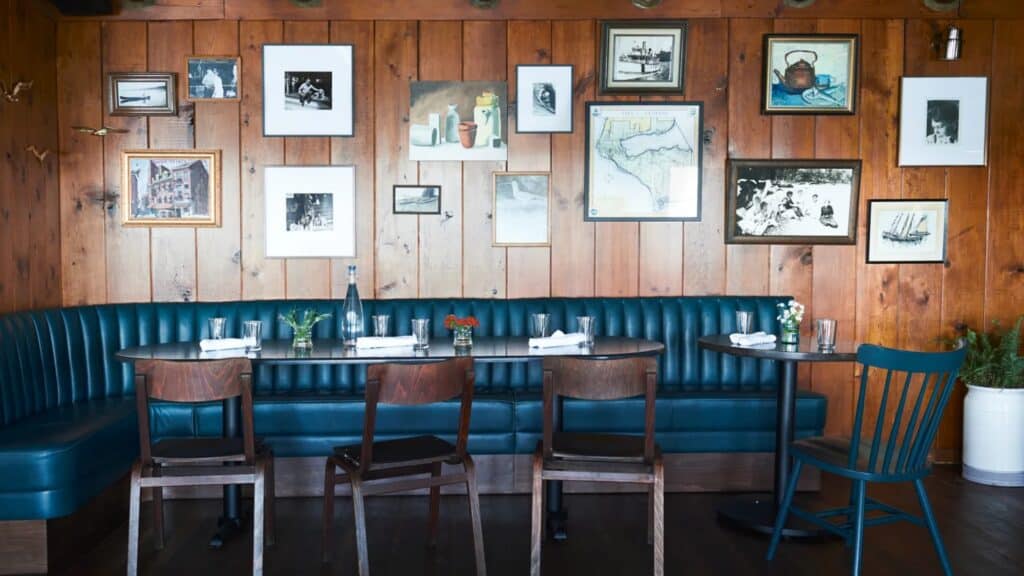
Bakery owner Tyler Hansen once helmed the fine dining restaurant next door. He speaks with pride about the restaurant’s current owners and the island’s well-developed culinary scene. The evolution reaches its apex upstairs at Oystercatcher, with a Salish Sea-focused Pacific Northwest menu. The intimate dining room makes reservations essential. The meal—seared scallops, fried oysters atop turkey, and wine pairings—turns the getaway into a celebration.
Where to shop
Coupeville’s storefronts encourage lingering. Kingfisher Bookstore offers a carefully curated selection with a strong Pacific Northwest sensibility, while Kingfisher Arts & Letters next door supplies beautiful notebooks, pens, and art materials for those inspired to document the trip. Aqua Gifts stocks jewelry, home décor, and wearable finds that feel distinctive and polished. Madrona Blossom mixes clothing and seasonal goods with local pantry items. On the wharf, Wharf Dog Paddle & Pantry blends kayak rentals with cold drinks, polarized sunglasses, and art by island makers.
Between meals and shops, the landscape commands attention. Ebey’s Landing National Historical Reserve stretches into open prairie above Admiralty Inlet, bluff trails delivering wide views toward the Olympics. The lighthouse and gun batteries at Fort Casey State Park add maritime drama. Our bikes glide along quiet roads bordered by farmland and water, the rhythm steady and serene.
Langley
Where to stay
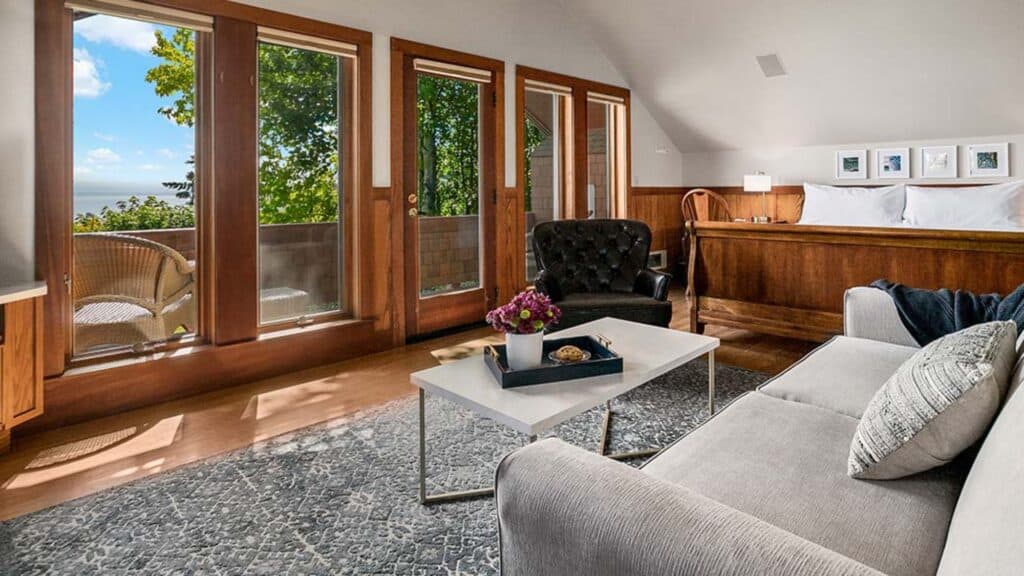
Langley marks the island’s southern destination town. Checking in to Saratoga Inn places us on a bluff above Saratoga Passage, known for whale sightings and luminous sunsets. The inn feels residential and well situated, an easy walk to town and a comfortable base for exploration.
For travelers leaning toward a refined escape, The Inn at Langley pairs sweeping water views with elevated dining and a spa experience that anchors the weekend in polish.
Where to eat & drink
Mornings begin at The Braeburn, where from-scratch breakfasts set an easy tone. The packed bar at 10 a.m. gives strong evidence of locals enjoying island time. Lunch from Langley Kitchen keeps things casual before a tasting at Whidbey Island Distillery, where berry liqueurs and rye whiskey reflect the island’s agricultural roots. The rustic tasting room sits at the end of a gravel road that evokes Prohibition-era moonshiners. The gleaming, computer-controlled still reveals the precision and expertise behind the craft.
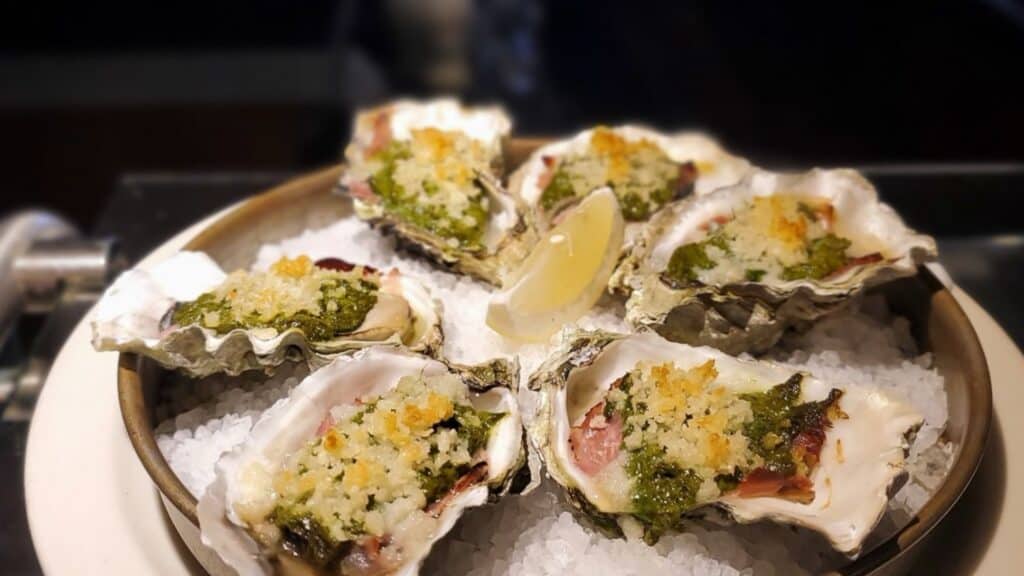
Dinner at Saltwater Fish House & Oyster Bar keeps the focus on the sea. Oysters arrive briny and bright. Dungeness crab cakes satisfy on a cold evening. The room hums with locals, ferry arrivals, and couples easing into the night. The staff is friendly, with just the right amount of local gossip. Choose Savory for an evening meal with globally influenced comfort dishes and water views from First Street.
In for a surprise
Even after multiple visits, Whidbey retains the capacity for new discoveries. For this visit, the revelation arrives at Earth Sanctuary, a 72-acre preserve tucked into forest and wetland just outside Langley. The entrance is modest; the impact is not. Trails slip through cedar and fir, across wooden bridges and along still ponds that mirror the sky. Then the installations begin to emerge: a stone circle aligned to celestial events, a broad meadow labyrinth carved into grass, a luminous white stupa rising between trees. Nothing announces itself, as each element appears at walking speed.
A guided visit deepens the experience. Founder Chuck Pettis speaks with the ease of someone who has shaped the land over decades, weaving together astronomy, ecology, and contemplative design. The sanctuary operates on both intellectual and sensory levels: carefully aligned sightlines, native plant restoration, and migratory birds lifting from the wetlands. The site rewards patience and attention; the longer you stay, the more it reveals.
The sanctuary is modeled with intention on the prehistoric monuments and stone circles of the British Isles, with some global and technological additions. Pettis himself created the Tibet Tech Prayer Wheel, which turbocharges the power of Buddhist prayer by accumulating billions of prayers stored on DVDs. Conversations soften and footsteps slow. We thought we knew Whidbey well, but Earth Sanctuary delivers the rarest reward: discovery, hidden in plain sight on an island that still keeps a few secrets.
Where to shop & gather
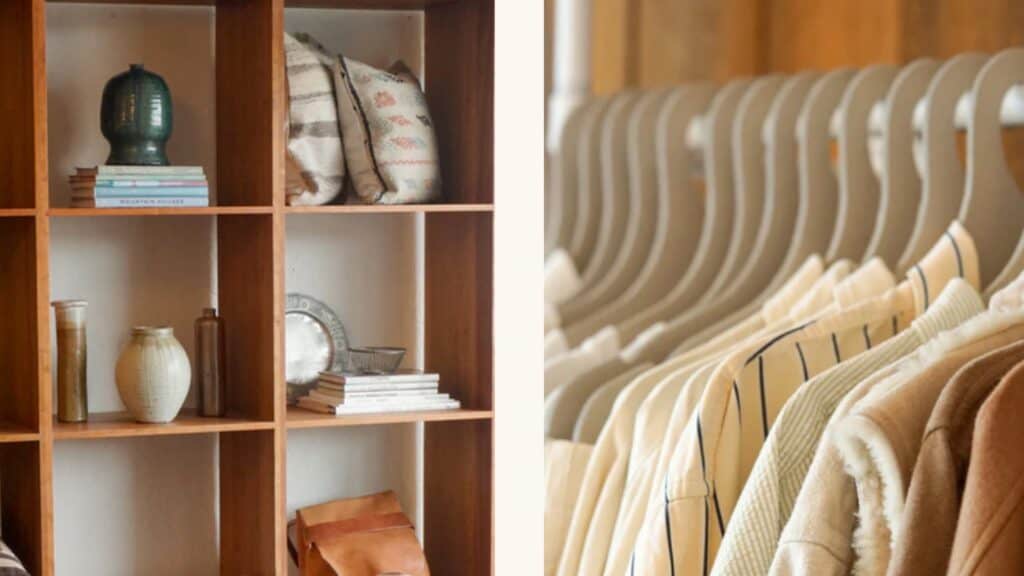
Afternoons in Langley orbit around Village Wine Bottle Shop & Tasting Room, a convivial hub on First Street where flights showcase Washington producers and conversations stretch easily across the bar. It’s the kind of place to establish a home base—sample a glass, ask locals for tips, map the next stop, then head back out. A few doors away, Alma curates artful clothing and objects with a restrained, coastal sensibility. Grayhorse Mercantile leans tactile and heritage-inspired, stocked with durable goods and handsome staples that feel suited to island life. The rhythm becomes simple: browse, sip, wander, meet a friend.
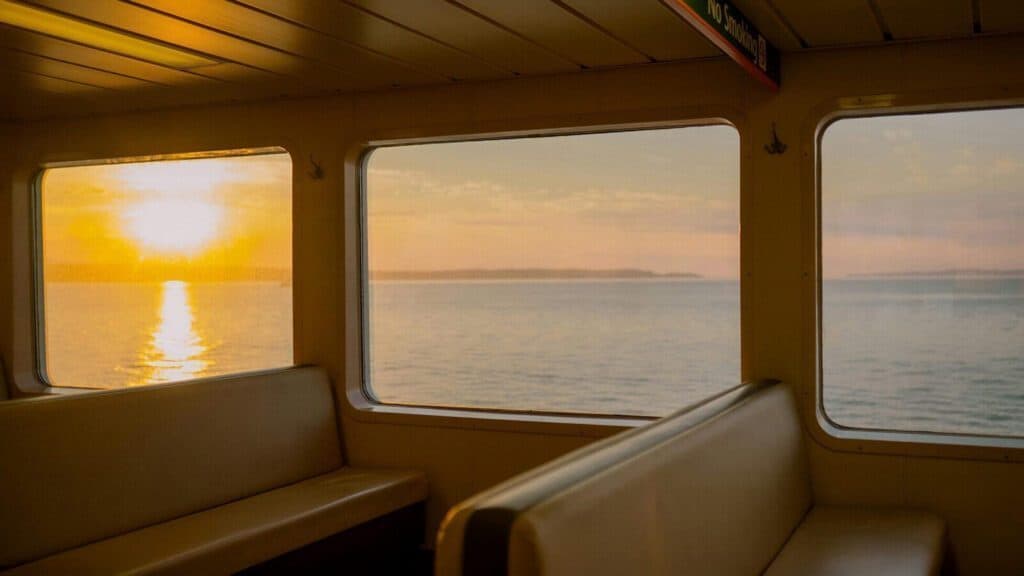
Leaving Whidbey is never easy. From Clinton, the ferry pulls away toward Mukilteo, evergreen shoreline receding as the car settles into that familiar, reflective hush. We tell ourselves we’ll be back—returning for holiday tables, winter mornings strung with lights, and now the first green blush of spring. As the Seattle skyline comes gradually into focus, the island’s cadence lingers, steady and unhurried.
Follow Us

The Warmest Welcome: Why You Should Visit the Tri-Cities This Year
Just a few hours away from Seattle, this robust community offers great wine, a budding food scene, and more than 300 days of sun.
There is a point, when I’m traveling along Interstate 82 (I-82), somewhere around Exit 26, when I usually notice a shift in the light—especially in the wintertime. Coming out from the pass and heading south to leave the flat, cloud-shrouded gray of Western Washington behind, I feel a burst of happiness at the blue skies…

Paint Check: Select Alaska Airlines Planes Get a Fresh Look
The local aviation company debuts a bold Aurora Borealis-inspired livery as it expands internationally.
At the beginning of the year, Alaska Airlines unveiled its new global livery: a bold design inspired by the Aurora Borealis. Painted in a palette of deep blues and shimmering emerald greens, the sleek look is a nod to Alaska Airlines’ continued addition of international destinations, which will expand to London, Rome, and Reykjavik by…
Elevated Gaming, Now With a Luxury Stay
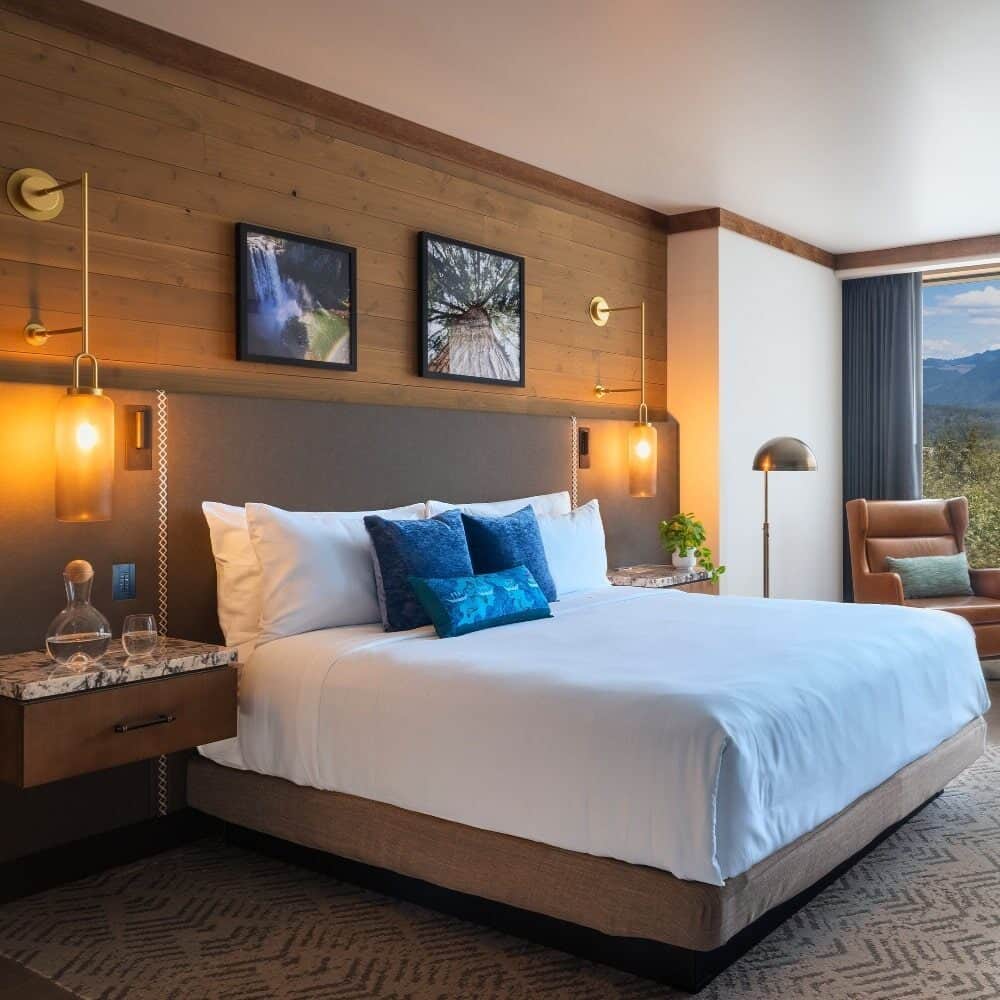
Debuting a new era in Pacific Northwest gaming, the opening of the now Snoqualmie Casino & Hotel, transforms a premier gaming destination into a full-scale getaway–pairing top-tier play with the convenience and comfort of an upscale luxurious overnight stay just 30 minutes from downtown Seattle. Snoqualmie Casino & Hotel offers one of the most expansive…

Washington’s Spring Festivals Go Way Beyond Tulips
From cherry blossoms in Seattle to shorebirds on the coast, these spring festivals celebrate the state’s natural abundance.
From our rivers flowing with snowmelt and salmon to valleys dotted with wildflowers and berries, to forests filled with mossy trees and mushrooms, nature is an inseparable part of Washington’s culture and ecosystem. It shapes what we eat and drink, what inspires our art and outdoor lifestyle, and even our cities. Nature is part of…