




Studio Sessions: Tininha Silva
Brazilian-born fiber artist Tininha Silva talks about building a life in the Pacific Northwest and the coastal landscape that influences her work.
 By Sarah Stackhouse March 12, 2026
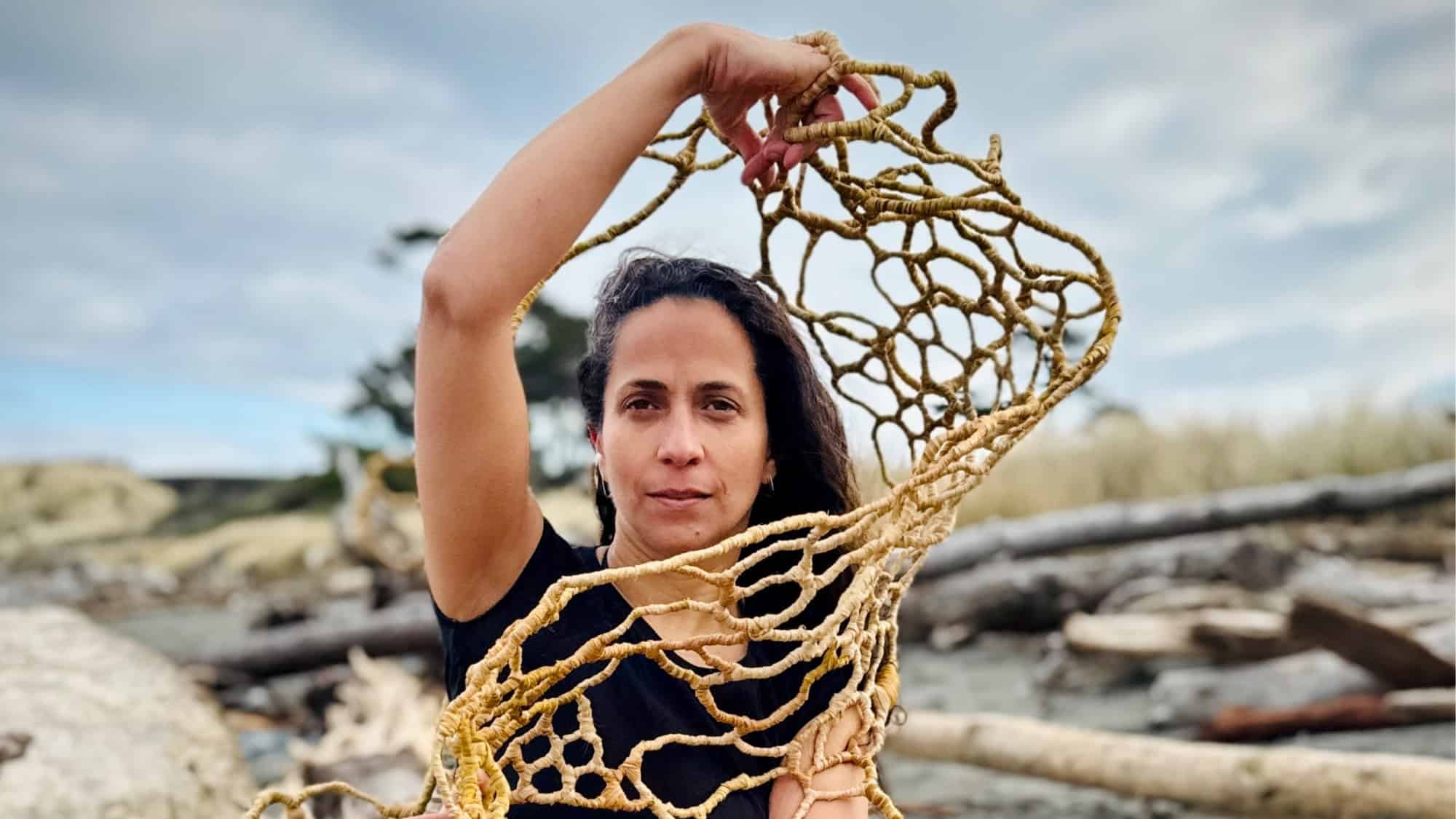
Along the shores of the Salish Sea, textures are everywhere—seaweed tangled in the tide, stones worn smooth by water, the strange geometry of coral and barnacles. Those details are finding their way into the work of artist Tininha Silva.
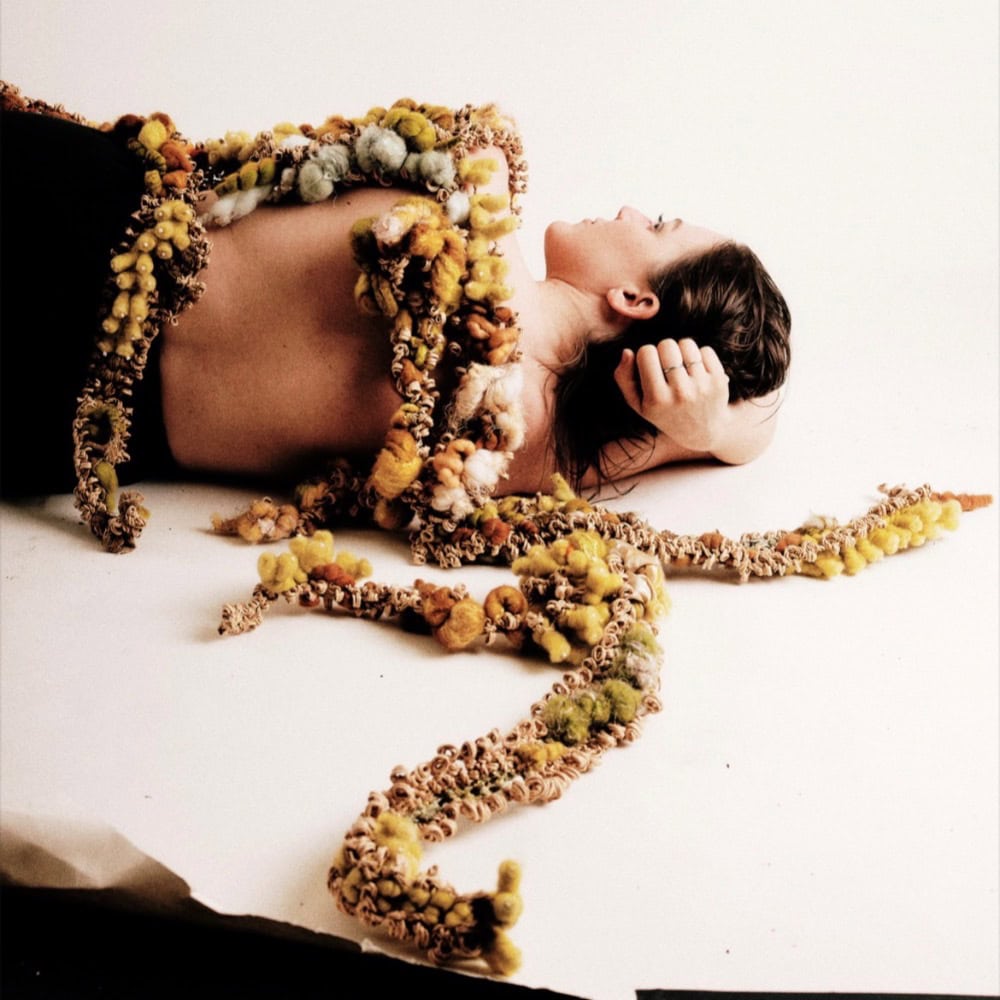
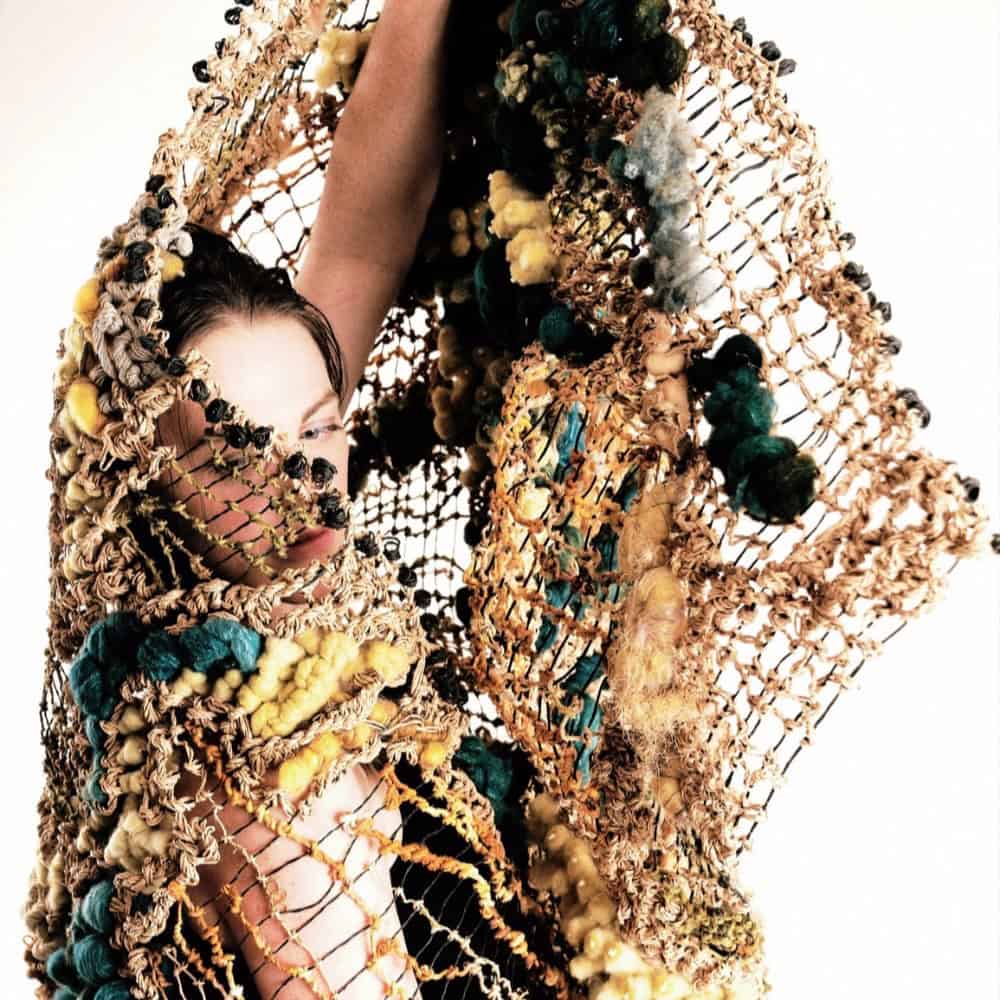
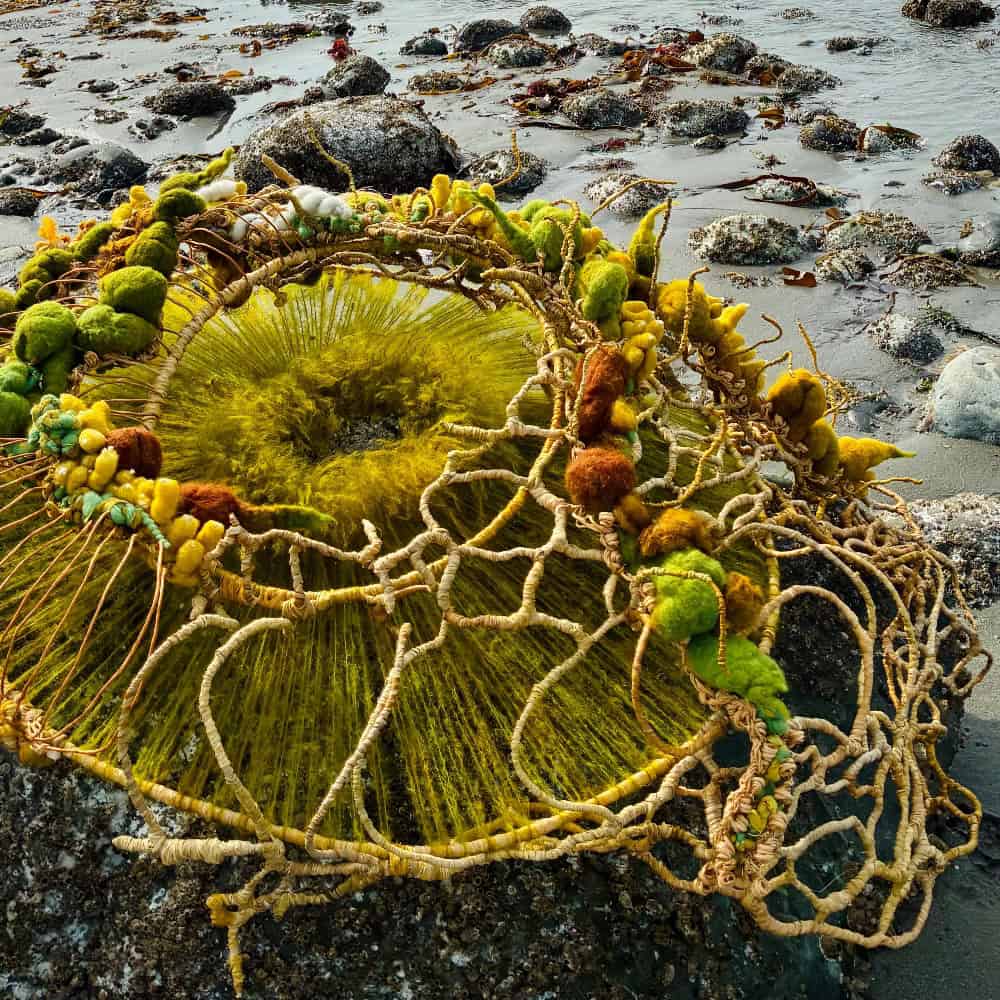
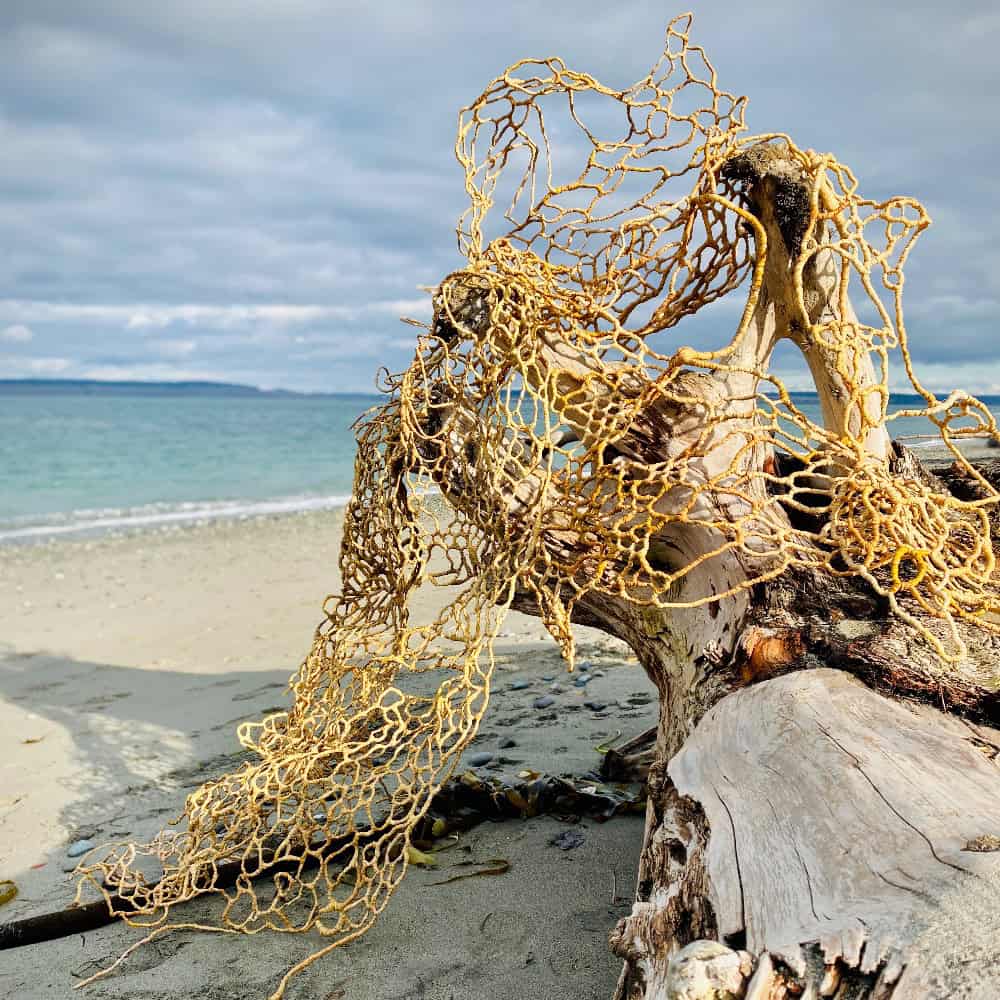
Silva grew up in Brazil’s rugged Pernambuco region before moving to Seattle in 1999 after earning her law degree. She married local artist Sean Yearian, and the two later settled in his hometown of Port Townsend, where they now live with their two sons. Today she works as a fiber artist, creating sculptural pieces from galvanized wire and natural fibers inspired by the textures and rhythms of the Salish Sea. “Through my work, I am effectively communicating without words,” she says. “I like that the work itself conveys emotions and messages.”
Her work is currently at J. Rinehart Gallery in Seattle in the exhibition It’s Not What I See, It’s How I Sea, through March 25. Silva will also take part in an artist talk at the gallery on Saturday, March 21, at 1 p.m.
Hometown
Salgueiro, Pernambuco, Brazil
Discipline
Fiber / textile
Favorite spot in Port Townsend
North Beach
Describe your work in three words.
Intuitive. Organic. Regenerative.
When did you know you wanted to be an artist?
I remember living in Seattle in 2012, driving to the factory that would produce the first swimwear collection for my brand, Teu Swimwear. I had spent twelve years running Tininha’s Boutique, a swimwear store in the city, and two more years designing my own collections. As I drove, I was so overwhelmed with happiness that I found myself crying. In that moment, I realized I wanted to dedicate my life to creating—and to chasing that powerful feeling. That was when I first understood that I was meant to be an artist.
After moving to the seaport town of Port Townsend, I was introduced to weaving, which quickly became my next passion. It opened new possibilities for exploring texture, movement, and form in my work. Working with my hands brought my creativity to another level, because for the first time, I had complete control over the entire process from beginning to end. I realized then that I not only saw myself as an artist, but that I wanted others to see me that way too. Being recognized as an artist felt deeply meaningful—an honor that affirmed the path I had chosen.
Where do you find inspiration?
I draw inspiration from my daily walks along the beach, where the Salish Sea stretches endlessly before me. The barnacles clinging to the rocks, the swaying seaweed, and tangled bull kelp—they all speak to me. Sometimes I bring some of these elements home and hang them in my studio for inspiration. I feel immensely lucky to live by the sea, and here, among textures and rhythms, I find the ideas and emotions that shape my work.
What are you working on now?
I just installed my current exhibition at J. Rinehart Gallery in Seattle, and I’m still processing the whirlwind of the past few months spent putting this show together. Along the way, I made some exciting discoveries with new techniques that felt like real breakthroughs, and they’ve opened up fresh possibilities in my work.
I’ve always dreamed of creating an installation that transforms a space, and my hope is to bring that vision to life at the upcoming Seattle Art Fair.
What draws you to fiber art and textiles?
It lets me explore texture, movement, and the physicality of my ideas. I enjoy the challenge of transforming simple, humble materials like chicken wire into contemporary art, mainly because it allows me to shape forms in a way that feels sculptural and alive. There’s also something magical about turning everyday objects into expressive forms that capture the feelings and textures I see in the world—especially in the sea and landscapes around me.
Tell us about your proudest moment as an artist.
One of my proudest moments as an artist came in 2024 when Brangien Davis from Cascade PBS reached out to invite me to share my story on the premiere episode of Art x NW. It was incredibly validating to have my work and creative journey recognized on that platform, and it reminded me of why I continue to push myself and explore new ideas in my art.
Who do you admire and why?
As a self-taught artist, I really admire Australian fiber artist Harriet Goodall for her humble, grounded approach—working with natural fibers and fostering community. Taking her online course in 2023 taught me so many new techniques and really helped take my work to the next level.
Follow Us

AANHPI Month: Where to Celebrate, Eat, and Learn Around Seattle
From festivals and museum exhibits to food tours and historic neighborhoods, here are a few ways to mark the month across the region.
Asian American, Native Hawaiian, and Pacific Islander Heritage Month—known as AANHPI Month—is observed in the U.S. each May. It began as a weeklong observance in 1978 and expanded to the full month in 1992. Asian, Hawaiian, and Pacific Islander communities in the United States extend back much further, including to the late 16th century, when…
Black Panther Park in Skyway Becomes First Black Panther Park in the World
The new community garden honors the Black Panther Party’s legacy of food justice and the Skyway neighbors who helped bring it to life.
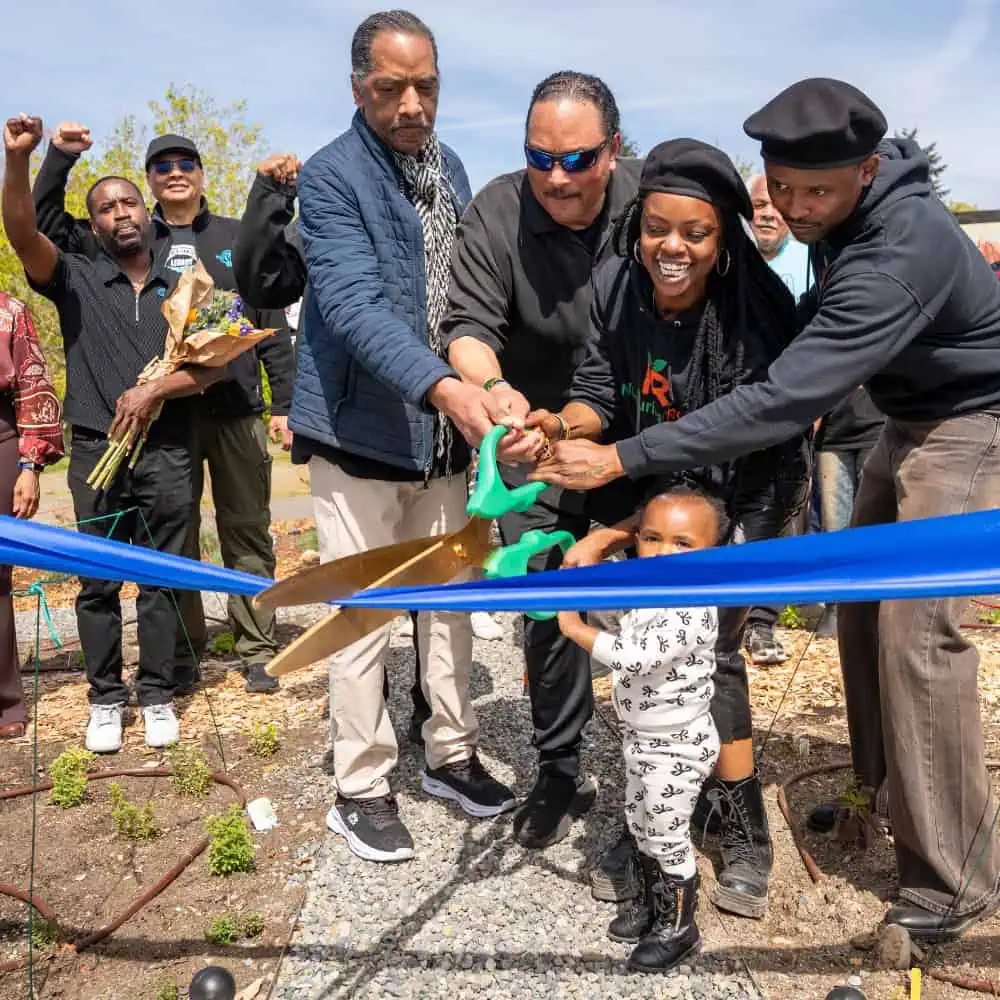
On a sunny Sunday earlier this month, at the corner of 75th Avenue and Renton Avenue South, the community gathered for the opening of Skyway’s Black Panther Park. Inspired by the Black Panther’s Free Breakfast for School Children program that compelled the federal government to provide breakfast in schools, Black Panther Park is a community…
Rearview Mirror: A Family Coming Apart, SIFF, and My First Fashion Show
Things I did, saw, ate, learned, or read in the past week (or so).
The Family House A house can hold a lot, and Seattle Rep’s Appropriate knows that. Branden Jacobs-Jenkins’ Tony-winning play, directed here by Timothy McCuen Piggee, drops the Lafayette siblings into their late father’s hoarded, falling-apart Arkansas plantation home for an estate sale, and lets the whole thing crack open from there. The sibling dynamics are…
Studio Sessions: Raili Jänese
The Kirkland painter brings a playful eye to daily life and the little rituals of being human.
Artist Raili Jänese pays close attention to the small stuff. It might be a goose on the move, a rabbit in the yard, or a person lost in the rituals of coffee or cooking. The Estonian-born artist, now based in Kirkland, makes colorful acrylic works that turn everyday behavior—human and animal alike—into something funny and…