




Min Jin Lee on taking 28 years to write a novel
Insights on life and writing from the bestselling author of Pachinko
By Annie Midori Atherton March 16, 2023
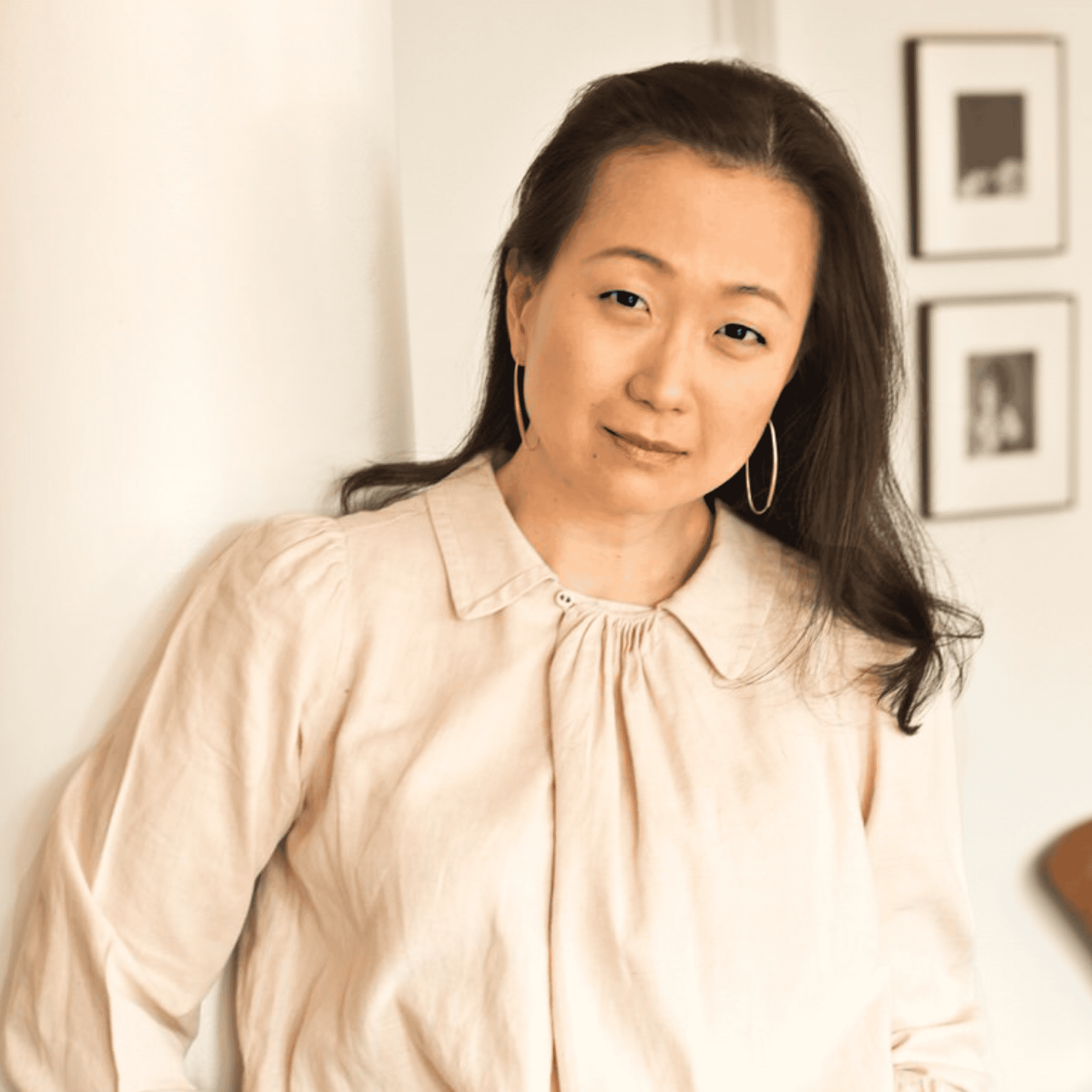
This article originally appeared in the May/June 2023 issue of Seattle magazine.
Min Jin Lee is a little freaked out about her next novel — a “stupidly” ambitious project about what education means to Korean people across the globe.
“I want to stop,” she told me on a call, laughing a bit at her own obsessive nature.
As with her previous two books — Pachinko and Free Food for Millionaires — which, combined, took her nearly three decades to complete, the compulsion to keep going is so strong as to be almost perplexing to the 54-year-old author.
Discussing process at the AWP Conference in Seattle
Last weekend, Lee shared insights about her process with hundreds of listeners at the AWP Conference & Bookfair, where she delivered the keynote address at the Seattle Convention Center. When I spoke with Lee in advance of the talk, she admitted that she was slightly shocked that she’d been asked to speak, since she’s not currently promoting a book. She thinks it might have something to do with the fact that because she took so long to “make it” as an author, she’s become somewhat of a “patron saint of delay.” While she’s pursued fiction writing since 1995 after a brief bout as a corporate lawyer, she’s only recently enjoyed commercial success.
“It’s been almost 30 years of hitting my head against the wall,” said Lee, referring to the time she spent working on writing her novels before publishing them.
In the keynote, famed Seattle librarian Nancy Pearl interviewed Lee about her craft, which includes reading a chapter of the Bible before sitting down to write. When she first quit her job as an attorney to try to write fiction, Lee would read newspapers to “prime the pump,” but found it unhelpful. She’d heard that Willa Cather read the Bible before writing, and Lee figured she’d give it a try. Though she struggles to interpret the ancient text as much as the next person (she reads The New International Version with commentaries), the practice gives her a deeper understanding of human beings, especially when certain passages trouble her.
“I find it really helpful to be troubled,” said Lee. “When you have a text, and you can work through life in a text, it’s a very safe space to work out your questions.”
Finding inspiration
The idea of going toward what disturbs you came up again when Pearl asked Lee about where she got the idea for Pachinko. Back in college, Lee had attended a talk given by a missionary who spoke of a young boy he’d ministered. When the boy took his own life at only 13-years old, his parents had found a yearbook with bullying notes from other students. Lee was so haunted by the occurrence that it lodged itself in her consciousness, eventually compelling her to write about the experience of Koreans in Japan.
“Even today, it shakes me to think about,” said Lee. “The idea that children could be so cruel to each other and to themselves. I say ‘themselves’ because when you’re attacking somebody, there’s something very inhumane that you’re doing to yourself as a spirit.”
The origin story echoes a comment that author made at another AWP panel. Chan shared that her idea for her novel, The School for Good Mothers, stemmed from the indignation she felt after reading a news story in which a baby had been seized by the government for what she perceived to be unfair reasons. It makes one wonder how many great novels have been borne from a writer’s inability to shake off a tragedy, even one that occurred to a stranger. Perhaps part of what drives writers like Lee to joke about how they wish they could stop writing is the same thing that keeps them doing it: the sense that they cannot move on from a sorrow or injustice, and must instead face it, dig into it, process it, and ultimately, share it.
“There’s so much hatred today, and anger,” said Lee. “I thought I would write a novel because sometimes stories can be a way to persuade people. All of us are surrounded endlessly by terrible news. At some point, we become inured to the pain of it.”
Through storytelling, we can break through that numbness. “All of a sudden, the character becomes us,” said Lee.
Advice for writers
As far as advice for other writers, she said the best quote she’s heard also applies to life: “Choose the important over the urgent.”
There are so many distractions pulling at our attention that they can threaten to distract us at all times. When creating art — an endeavor that may never seem urgent in a practical sense, and may even seem flagrantly unnecessary to others — it’s crucial to develop the ability to tune out distractions.
“Writing is such a bizarre and unstable way to make a calling of your life,” said Lee. “Most writers really do anything else. So we’re betting our lives and our time, our love, our resources, and our connections on this idea that somehow we’re going to write something and that this document matters.”
Obsessive focus
Part of what makes Lee’s process so labor-intensive is the extensive energy she pours into her work. When asked to write an introduction to a 2021 deluxe edition of The Great Gatsby for Penguin Classics, she toiled for three months and spent $3,000 researching the Fitzgeralds — a sum that more than cancelled out the income she received for the work. Currently, she’s editing the next edition of Best American Short Stories and finds having to choose the final picks both fulfilling and “miserable.” Still, she knows no other way than the obsessive one.
She told me she believes that what keeps writers writing is that it’s such a transformative process. “You’re writing toward a new self.”
Follow Us
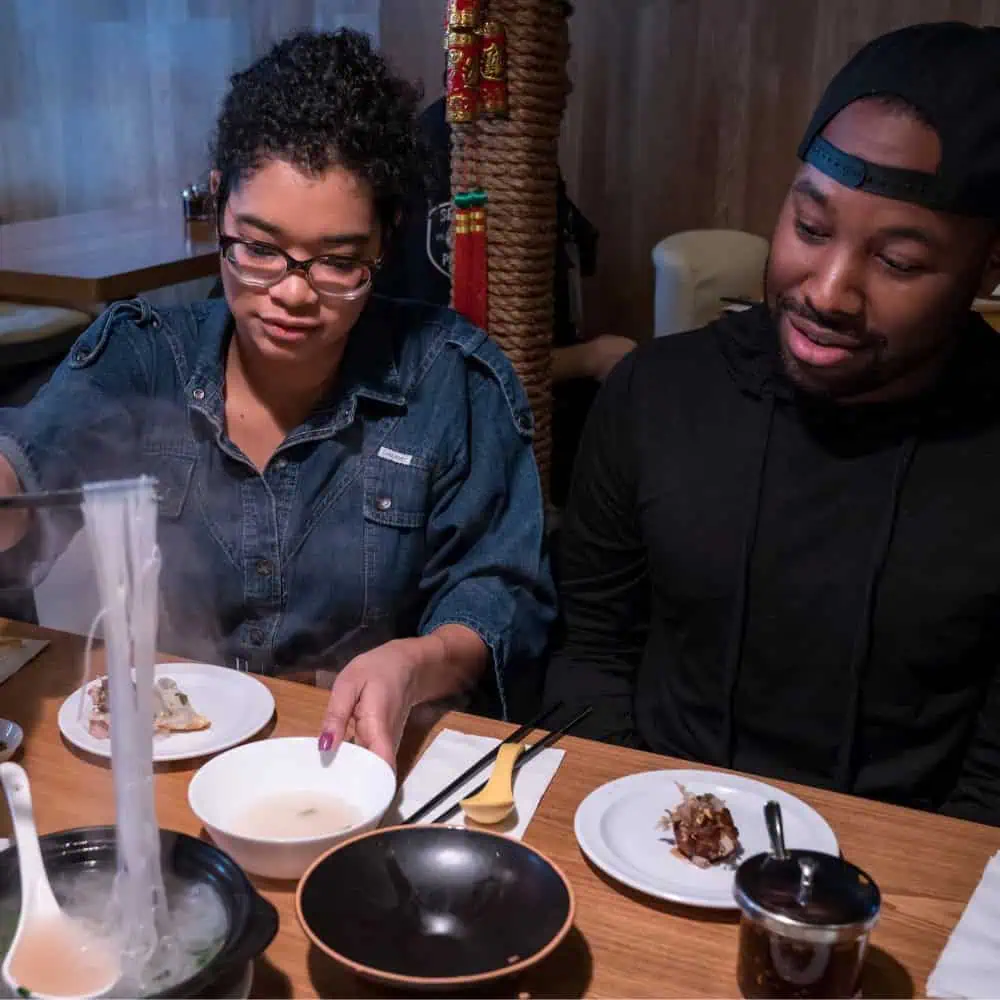
AANHPI Month: Where to Celebrate, Eat, and Learn Around Seattle
From festivals and museum exhibits to food tours and historic neighborhoods, here are a few ways to mark the month across the region.
Asian American, Native Hawaiian, and Pacific Islander Heritage Month—known as AANHPI Month—is observed in the U.S. each May. It began as a weeklong observance in 1978 and expanded to the full month in 1992. Asian, Hawaiian, and Pacific Islander communities in the United States extend back much further, including to the late 16th century, when…
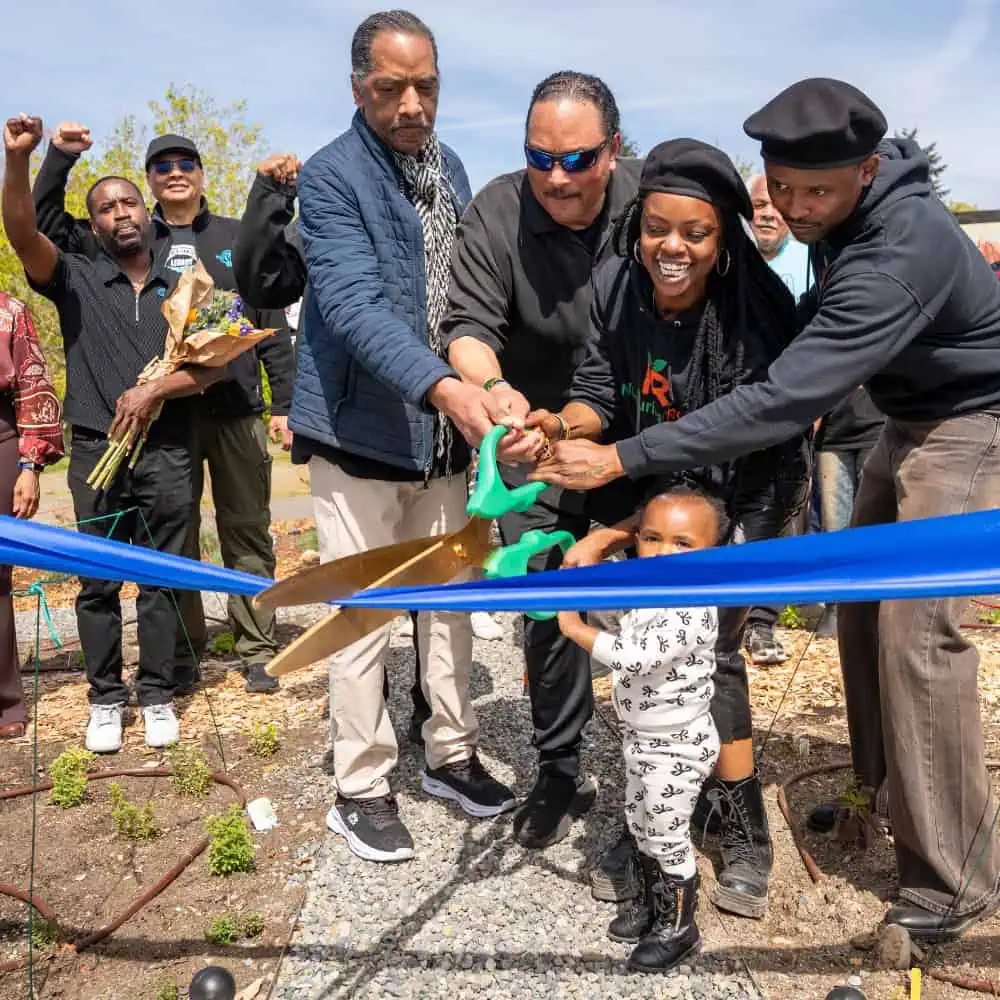
Black Panther Park in Skyway Becomes First Black Panther Park in the World
The new community garden honors the Black Panther Party’s legacy of food justice and the Skyway neighbors who helped bring it to life.
On a sunny Sunday earlier this month, at the corner of 75th Avenue and Renton Avenue South, the community gathered for the opening of Skyway’s Black Panther Park. Inspired by the Black Panther’s Free Breakfast for School Children program that compelled the federal government to provide breakfast in schools, Black Panther Park is a community…

Rearview Mirror: A Family Coming Apart, SIFF, and My First Fashion Show
Things I did, saw, ate, learned, or read in the past week (or so).
The Family House A house can hold a lot, and Seattle Rep’s Appropriate knows that. Branden Jacobs-Jenkins’ Tony-winning play, directed here by Timothy McCuen Piggee, drops the Lafayette siblings into their late father’s hoarded, falling-apart Arkansas plantation home for an estate sale, and lets the whole thing crack open from there. The sibling dynamics are…
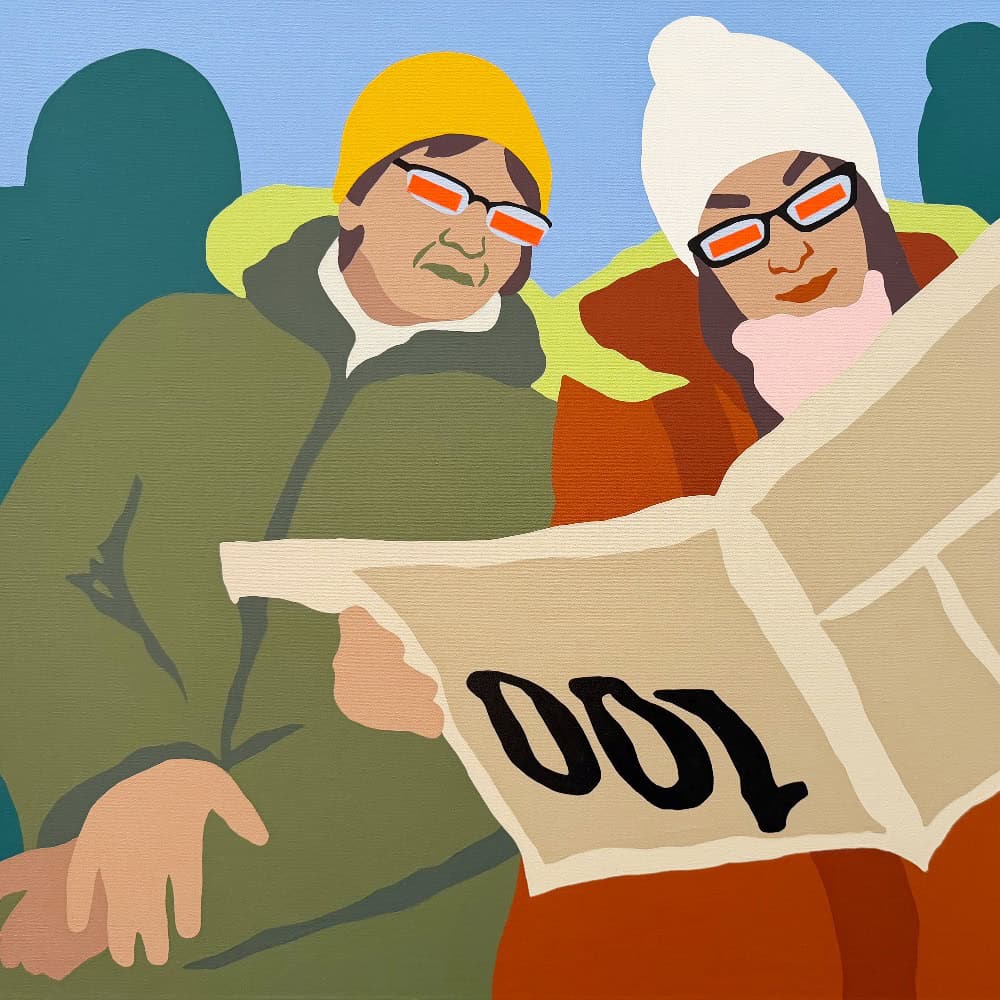
Studio Sessions: Raili Jänese
The Kirkland painter brings a playful eye to daily life and the little rituals of being human.
Artist Raili Jänese pays close attention to the small stuff. It might be a goose on the move, a rabbit in the yard, or a person lost in the rituals of coffee or cooking. The Estonian-born artist, now based in Kirkland, makes colorful acrylic works that turn everyday behavior—human and animal alike—into something funny and…