




Publisher’s Note: Why Seattle Matters
Bringing fresh ideas to Seattle magazine, Seattle Business magazine
 By Jonathan Sposato November 23, 2021

This article originally appeared in the November/December 2021 issue of Seattle magazine.
Seattle is coming back, baby. We got kicked in the teeth a little, but we never died. The flames of culture, industry, philanthropy, and social justice are still ardent and more acute than ever.
We’re still topping national “most livable city” lists, and more people in the world want to move here than ever before. Seattle is home to some of the best and literally highest valued companies in the world, as well as many of the biggest philanthropies. Institutions not based here clamor to open shop at every turn. What happens here matters to the rest of the world. The very personalities and industries here often shift the world’s tectonic plates. Using the term “Seattle” is important, because people around the world know Seattle but few know “Redmond” or “Bellevue.” The crown jewel of the region, indeed the west coast, is in fact Emerald.
Despite the pandemic, economic hardship, and homelessness, Seattle cannot be stopped.
Social scientists talk of a concept of optimal city size. For Aristotle, the key was balance. Cities had to contain a minimum number of groups (intelligentsia, labor, artisans) to live harmoniously. Overall population must also balance against the size of the territory it draws resources from to enable all to have what he called a “good life.” Acclaimed Italian physicist Cesare Marchetti also spoke of the delicate “30-minute city,” a simple concept that most people’s day-to-day work, educational, shopping, or recreational activities should be located within 30 minutes’ walking, cycling or public commuting distance from their homes. Given classical and contemporary definitions of the ideal city, Seattle is indeed our Mona Lisa. All we need now is continual leadership and follow-through on public transportation, safety and yes, affordable housing.
And it is precisely because Seattle is the smartest city in North America, and smart in the way that creates change and makes the world better, that we will make incredible progress on the issues that confront us. It will take time. It will take a willingness to stop moaning and complaining and work together. It will take some heroes. And yeah, it will take money and energy and a hell of a lot of people to step up and lean in. This is our hour of crucible and ascendency.
I was raised in Seattle by a single mom and have seen us weather many storms. I believe we have a choice. Door No. 1 is that we should just pack up and move out to the sticks. Door No. 2 is how we dream forward to embrace and extend the good. You can either believe in the sad stories that others tell you, or you can create your own happy ending. I choose Door No. 2, and that is why I bought Seattle magazine and its sister publication, Seattle Business. Turns out real life is still wild, beautiful, expansive and healthy.
In the words of a good friend who rose from being a homeless teen on Seattle’s streets to one of our most exciting entrepreneurs, “Close the screen. Go outside. Take off the mask for just a moment. Breathe fresh air. Show people your smile. Dance with somebody. Claim your sovereignty. Reject the sad drama and fear and control our narrative. You’re healthy and safe to be fully alive!”
Join us in our new journey.
Jonathan Sposato is the new owner and publisher of Seattle magazine and Seattle Business magazine.
About Publisher’s Notebook
Publisher's Notebook is Seattle magazine owner Jonathan Sposato's highly subjective perspective on the issues that confront our community the most. Jonathan's mission with the publication is to focus our attention on solutions, and to change the conversation in Seattle to an always hopeful, positive, and productive place.

Follow Us
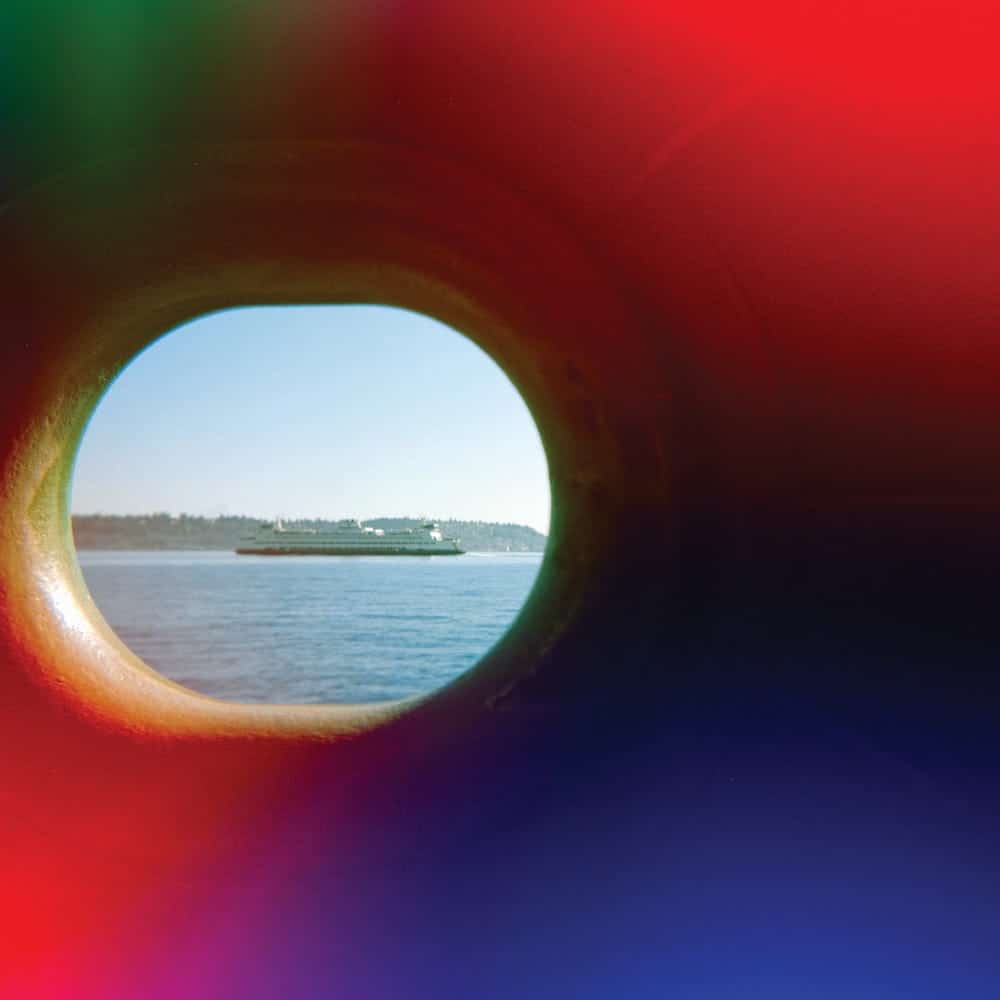
Photo Essay: Ferry Therapy
Words and photographs by Anna Starr.
Riding the ferry is my favorite Seattle pastime. At any given time on a Washington State Ferry you will find a group of tourists with too many suitcases, someone in work clothes peacefully napping, a jigsaw puzzle diligently being completed, lovers having a Titanic-esque moment on a balcony (fun fact: those balconies are called pickleforks),…

AANHPI Month: Where to Celebrate, Eat, and Learn Around Seattle
From festivals and museum exhibits to food tours and historic neighborhoods, here are a few ways to mark the month across the region.
Asian American, Native Hawaiian, and Pacific Islander Heritage Month—known as AANHPI Month—is observed in the U.S. each May. It began as a weeklong observance in 1978 and expanded to the full month in 1992. Asian, Hawaiian, and Pacific Islander communities in the United States extend back much further, including to the late 16th century, when…

Black Panther Park in Skyway Becomes First Black Panther Park in the World
The new community garden honors the Black Panther Party’s legacy of food justice and the Skyway neighbors who helped bring it to life.
On a sunny Sunday earlier this month, at the corner of 75th Avenue and Renton Avenue South, the community gathered for the opening of Skyway’s Black Panther Park. Inspired by the Black Panther’s Free Breakfast for School Children program that compelled the federal government to provide breakfast in schools, Black Panther Park is a community…

Rearview Mirror: A Family Coming Apart, SIFF, and My First Fashion Show
Things I did, saw, ate, learned, or read in the past week (or so).
The Family House A house can hold a lot, and Seattle Rep’s Appropriate knows that. Branden Jacobs-Jenkins’ Tony-winning play, directed here by Timothy McCuen Piggee, drops the Lafayette siblings into their late father’s hoarded, falling-apart Arkansas plantation home for an estate sale, and lets the whole thing crack open from there. The sibling dynamics are…