




Author Lindy West Talks About Her New Book ‘Shrill’
Lindy West discusses fat, feminism and her new memoir, Shrill: Notes from a Loud Woman
By Seattle Mag April 19, 2016
This article originally appeared in the May 2016 issue of Seattle magazine.
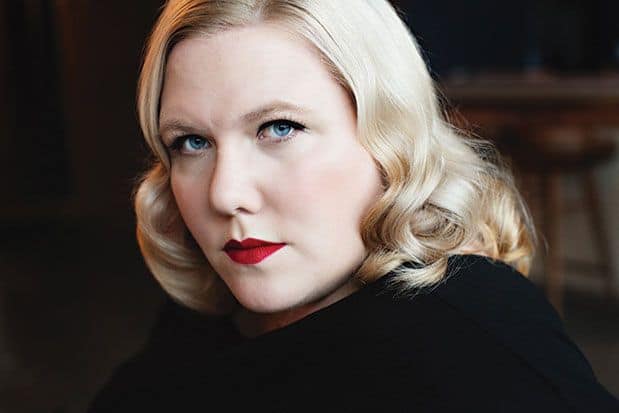
Columbia City–based writer Lindy West got her start as an arts reporter for The Stranger, and now focuses on topics that include pop culture, social justice and body image for GQ and The Guardian. Her first book, Shrill: Notes from a Loud Woman (Hachette Books, $26) is released May 17.
Why did you decide to title your memoir Shrill?
It’s a pejorative that is assigned only to women…. A lot of the book is about facing these expectations that we have for women and the ways that I do not fulfill those expectations—and then claiming that space anyway. “Shrill” is something we’ve heard a lot this election season applied to Hillary Clinton constantly. It’s not a word that we apply to men; it’s a way to devalue what a woman is saying with absolutely no substantive critique. It’s also a word that’s applied to women who are funny and loud, and who are not meek and quiet and small. So it’s something that I feel is applied to me in a way that’s intended to diminish me. I wanted to reclaim that.
You use the term “fat positive” in your book. What does that mean?
Other people might have their own interpretations, but to me it’s just the notion that I have the right to be happy now and to not think of myself as a work in progress. I do not have to feel that my body is inherently shameful or bad or something that I have to apologize for. I think that there’s this notion that it’s OK for fat people to not hate themselves, but they still need to be doing this penance to try to conform to the way society thinks their bodies should look. To me, fat positivity is just saying that I’m still a human being no matter how my body looks.
Why do you think some people shy away from the concept of feminism, or even using the term?
I think a lot of people are uneducated about what feminism actually means. There’s a very successful disinformation campaign to tell people that feminism means female supremacy or whatever, but also we raise women to be compliant and quiet and to sort of take a backseat to men, so people find it threatening when women refuse to do that.

What would you like people to take away from this book?
First of all, that they’re OK; they don’t have to change for other people. And that it’s much more fun to conquer the world as yourself than to try to twist and shrink yourself into someone that you’re not to fulfill other people’s demands. And also that being “cool” isn’t that important. It isn’t considered cool to be sincere or vulnerable or to stick up for people that maybe aren’t saying such fashionable things. There are all kinds of things that people avoid doing because they’re not cool, but in the long run, it’s just so much more fulfilling to be good than to be cool.
*this interview has been edited and condensed.
Follow Us

AANHPI Month: Where to Celebrate, Eat, and Learn Around Seattle
From festivals and museum exhibits to food tours and historic neighborhoods, here are a few ways to mark the month across the region.
Asian American, Native Hawaiian, and Pacific Islander Heritage Month—known as AANHPI Month—is observed in the U.S. each May. It began as a weeklong observance in 1978 and expanded to the full month in 1992. Asian, Hawaiian, and Pacific Islander communities in the United States extend back much further, including to the late 16th century, when…

Black Panther Park in Skyway Becomes First Black Panther Park in the World
The new community garden honors the Black Panther Party’s legacy of food justice and the Skyway neighbors who helped bring it to life.
On a sunny Sunday earlier this month, at the corner of 75th Avenue and Renton Avenue South, the community gathered for the opening of Skyway’s Black Panther Park. Inspired by the Black Panther’s Free Breakfast for School Children program that compelled the federal government to provide breakfast in schools, Black Panther Park is a community…

Rearview Mirror: A Family Coming Apart, SIFF, and My First Fashion Show
Things I did, saw, ate, learned, or read in the past week (or so).
The Family House A house can hold a lot, and Seattle Rep’s Appropriate knows that. Branden Jacobs-Jenkins’ Tony-winning play, directed here by Timothy McCuen Piggee, drops the Lafayette siblings into their late father’s hoarded, falling-apart Arkansas plantation home for an estate sale, and lets the whole thing crack open from there. The sibling dynamics are…
Studio Sessions: Raili Jänese
The Kirkland painter brings a playful eye to daily life and the little rituals of being human.
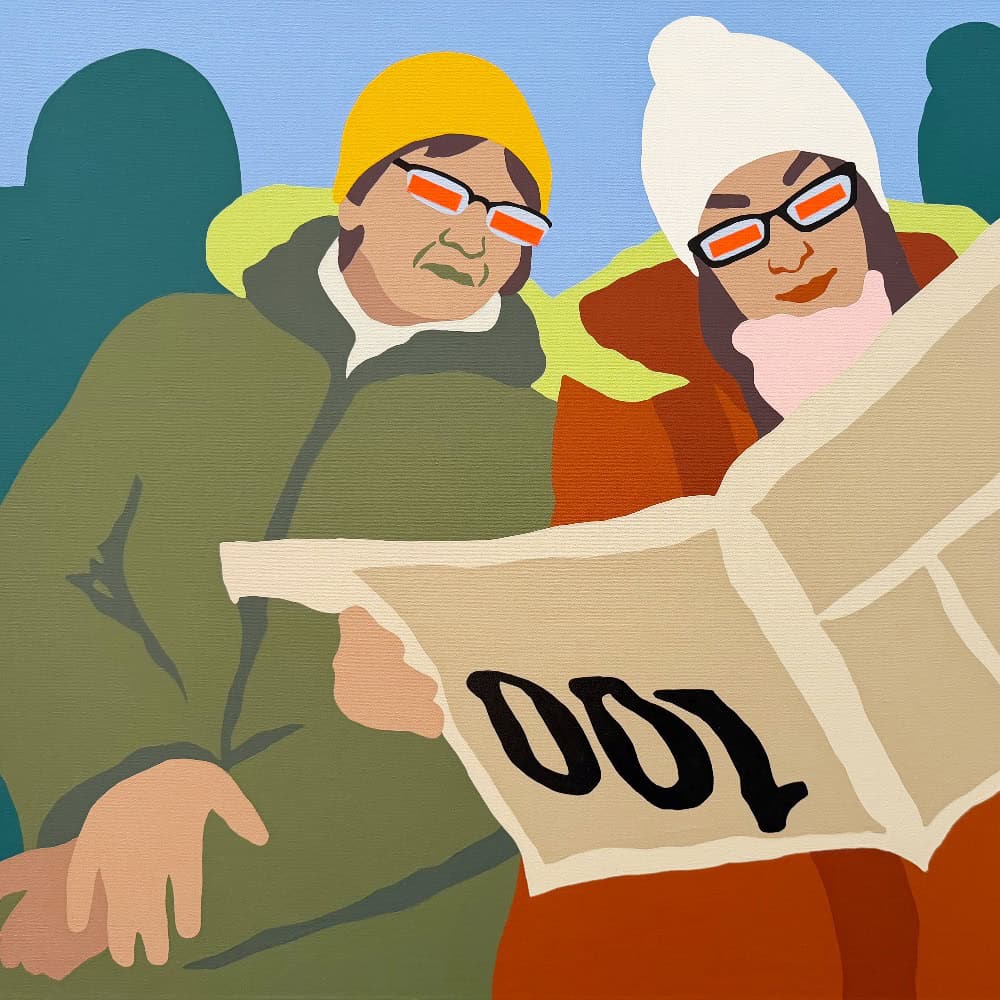
Artist Raili Jänese pays close attention to the small stuff. It might be a goose on the move, a rabbit in the yard, or a person lost in the rituals of coffee or cooking. The Estonian-born artist, now based in Kirkland, makes colorful acrylic works that turn everyday behavior—human and animal alike—into something funny and…