



Band of the Week: Lincoln Barr
By Gwendolyn Elliott February 28, 2017
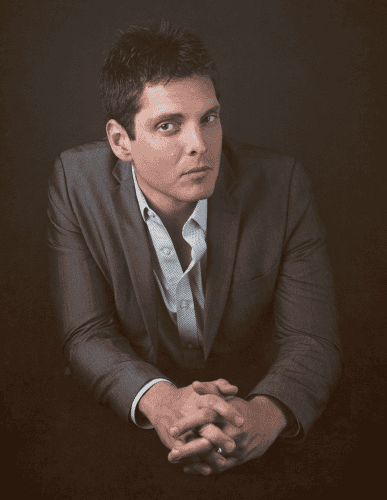
With so much happening in Seattle’s bustling music scene these days, how do you even know where to start? Allow the highly trained culture curators of Seattlemag.com to help with Band of the Week. Today we check in with Lincoln Barr, frontman of longstanding Seattle rock outfit Red Jacket Mine, who recently released his first solo album, Trembling Frames. With contributions from Seattle stalwarts like Ed Brooks and Johnny Sangster, the new album also features the likes of Calexico’s John Convertino. Lincoln Barr plays the Royal Room March 8th.
In three sentences or more, tell us the story of your band: I led Seattle band Red Jacket Mine for 13 years. We made a bunch of records and played hundreds of shows around the greater Northwest, including many with our heroes. Along the way, despite lots of (artistic) success, I began to get more and more depressed, until I was utterly miserable but pretty clueless as to why. I sought help in therapy, and realized that my struggles were the direct result of the severe physical abuse I suffered as a child, something I’d normalized due to its banality in the context of my family, oblivious to the damage that it does to a child’s developing brain. Eventually, some songs emerged from this painful insight, and I realized I needed to stand behind these songs with my own name, not the band’s. That’s the story of my new solo album, Trembling Frames.
Tell us about the new project. When I had enough songs for an album, I brought them to my friend Johnny Sangster, who’d produced the last few Red Jacket Mine releases. The songs were different than Red Jacket Mine, much more influenced by mid-century jazz and vocal pop like Blossom Dearie, Little Jimmy Scott and Dionne Warwick. Johnny was supportive of the truth I was trying to tell, and encouraged me to swing for the rafters and make the boldest statement possible. We recruited an amazing cast of musicians: John Convertino (from Tucson institution Calexico) on drums, Keith Lowe on upright bass, Daniel Walker (from Red Jacket Mine) on keys, Susan Pascal on vibraphone, Bill Herzog on percussion and Brooklyn resident Levon Henry on reeds. My good friend Jefferson Curtis Brown (from Seattle band Half Rushmore) sang a few harmonies, too. We cut 13 songs live to tape, including lead vocals, in three days of January 2016 at Studio Litho in Fremont. If it sounds a little exhausting, I suppose it was, but despite the heaviness of the subject matter and the challenge of cutting material this complex live in the studio, it was actually the easiest, most pleasurable record-making experience I’ve ever had. I chalk that up to the quality of the people involved, both in terms of character and musicality.
What does being an artist/musician/band in Seattle mean to you? I grew up in Mississippi, Missouri and Arkansas, but I became who am as a songwriter and musician in Seattle. While I don’t always like the person I am (working on that), I do sincerely love the community that forged me as an artist, and my early years in Seattle (in the mid-‘00s) were a thrilling time, when I met a group of lifelong friends that continue to inspire and challenge me. There are a lot of frustrating things about living in Seattle these days, especially as an artist—which is why many of us are fleeing to the spacious, economical, high-desert climes of eastern Washington—but it’s an incredibly special place, and it will always feel like home to me.
What BIG question should we ask, and what’s the answer? The question: “Do people want to hear a dark, sophisticated pop record about the horrors of child abuse?” The answer: too early to tell, but I hope so. While these songs are undeniably intense, I don’t think they’re depressing. For me, the story here is that I took some very ugly things that happened to me, through no fault of my own, and chose to make something beautiful out of all that turmoil. There’s a line in the documentary about comedian Barry Crimmins (Call Me Lucky, highly recommended) where he says, “I’m of the country of the brokenhearted.” That’s how I feel, and I think that lots of folks can relate to that sentiment, even if they haven’t been through exactly what I have. Most of us are “walking wounded” in one way or another. I can’t control what folks think about the record, but I love it, and I hope that it finds the listeners that it’s meant for.
What’s next? I’m playing a series of Northwest album release shows for Trembling Frames, starting March 8 at the Royal Room in Seattle. I’ll be joined by John Convertino and Levon Henry from the studio band, plus Seattle bassist (from Evening Bell & others) Aaron Harmonson and Portland-based guitarist Dominic Castillo. These shows are going to be amazing, and I’m really excited to play this music live with such an incredible group of musicians. (Tickets for the Royal Room show here.)
I’m also working on an original score for my friend Steve E. Turner’s documentary The Past is Never Dead. This is an important, timely film about the wrongful murder conviction of David Lee Robinson, whose case is currently before the Missouri Supreme Court. We’ve got high hopes that David will soon be a free man. I’m honored to be involved, and writing music for the film is a wonderful ‘palate-cleansing’ opportunity after making such a personal record.
Follow Us
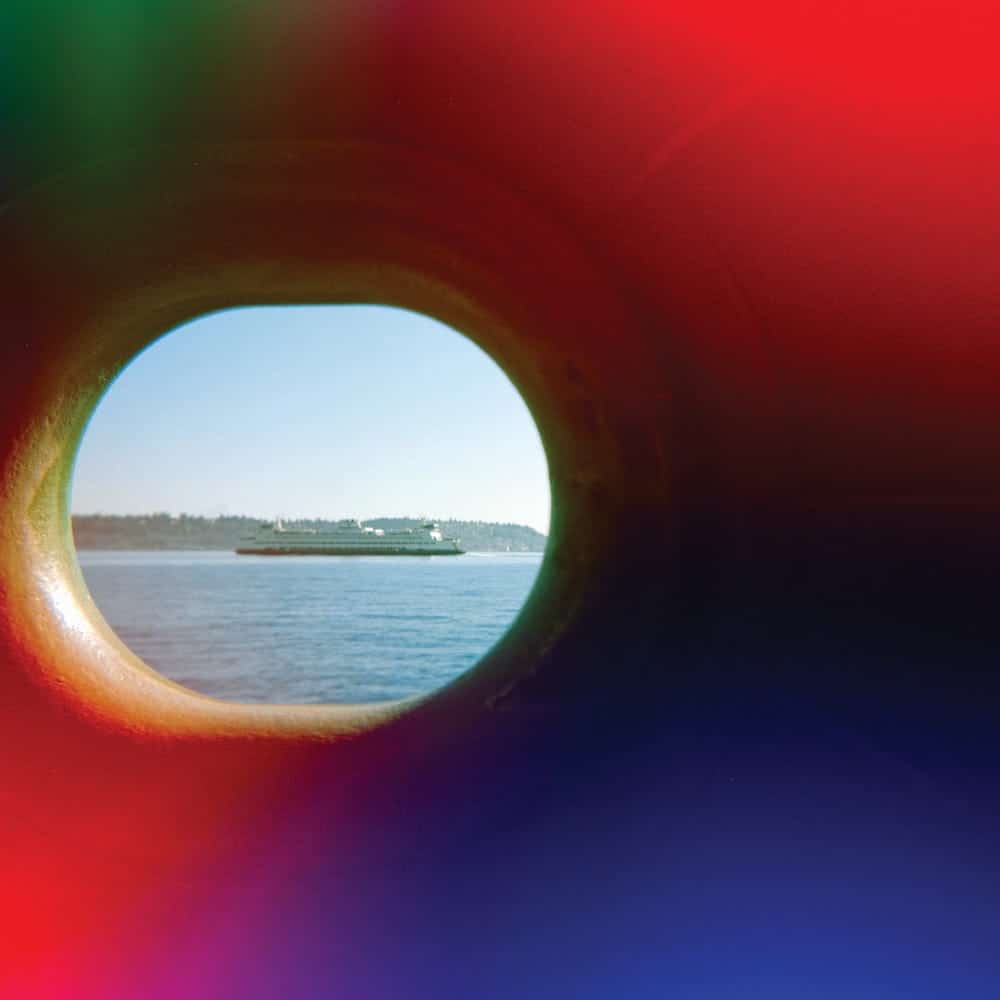
Photo Essay: Ferry Therapy
Words and photographs by Anna Starr.
Riding the ferry is my favorite Seattle pastime. At any given time on a Washington State Ferry you will find a group of tourists with too many suitcases, someone in work clothes peacefully napping, a jigsaw puzzle diligently being completed, lovers having a Titanic-esque moment on a balcony (fun fact: those balconies are called pickleforks),…
AANHPI Month: Where to Celebrate, Eat, and Learn Around Seattle
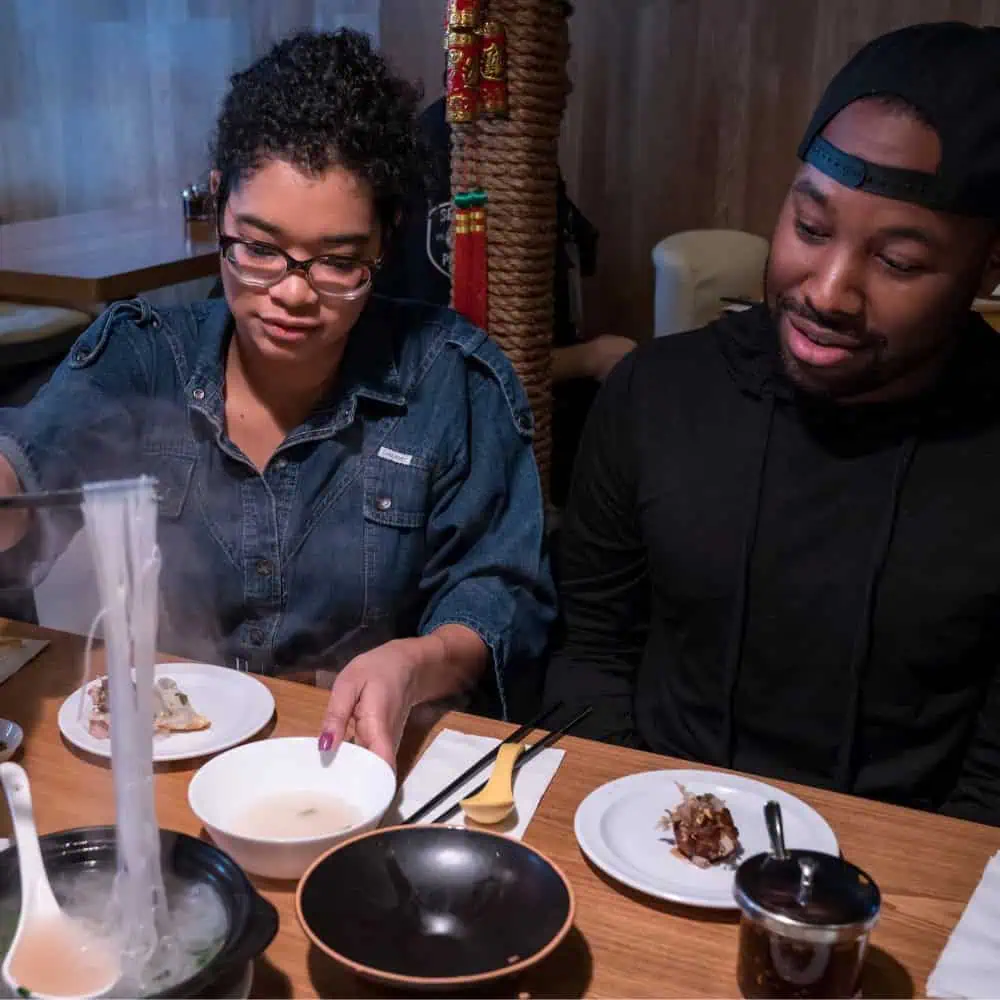
From festivals and museum exhibits to food tours and historic neighborhoods, here are a few ways to mark the month across the region.
Asian American, Native Hawaiian, and Pacific Islander Heritage Month—known as AANHPI Month—is observed in the U.S. each May. It began as a weeklong observance in 1978 and expanded to the full month in 1992. Asian, Hawaiian, and Pacific Islander communities in the United States extend back much further, including to the late 16th century, when…
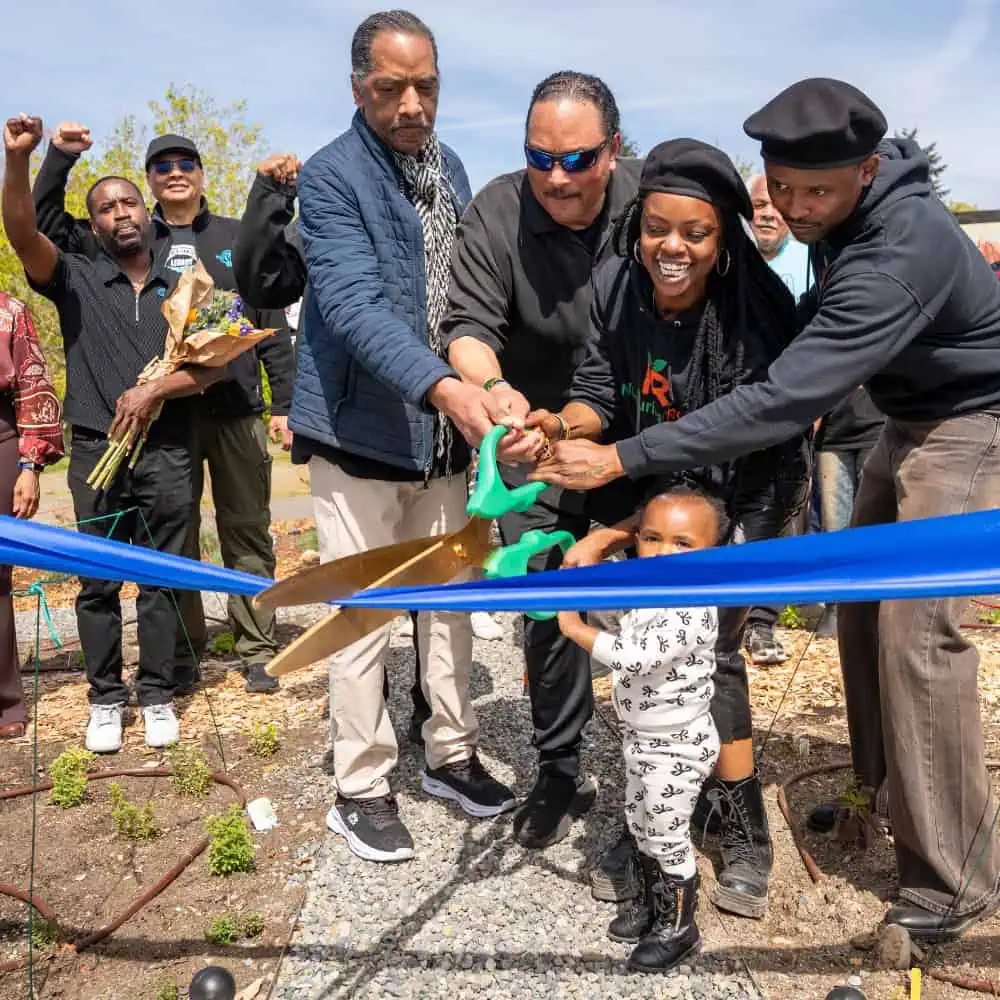
Black Panther Park in Skyway Becomes First Black Panther Park in the World
The new community garden honors the Black Panther Party’s legacy of food justice and the Skyway neighbors who helped bring it to life.
On a sunny Sunday earlier this month, at the corner of 75th Avenue and Renton Avenue South, the community gathered for the opening of Skyway’s Black Panther Park. Inspired by the Black Panther’s Free Breakfast for School Children program that compelled the federal government to provide breakfast in schools, Black Panther Park is a community…
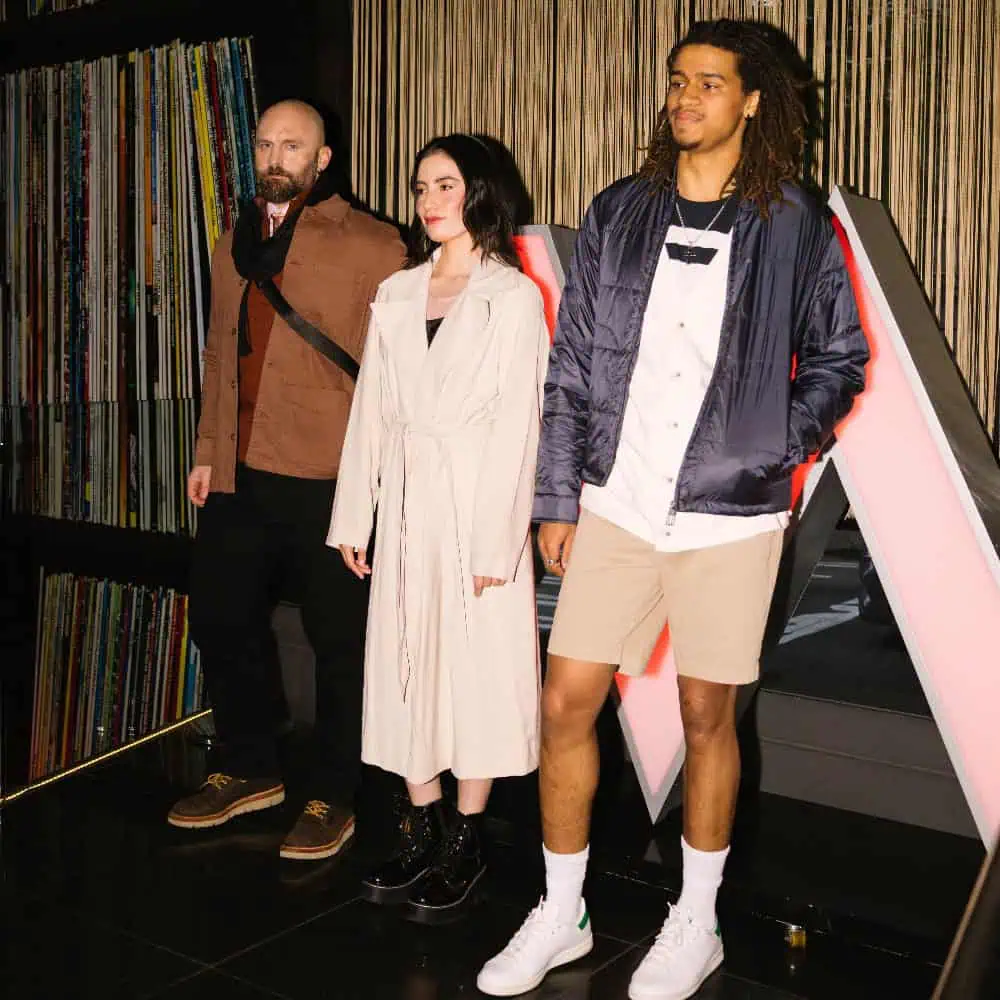
Rearview Mirror: A Family Coming Apart, SIFF, and My First Fashion Show
Things I did, saw, ate, learned, or read in the past week (or so).
The Family House A house can hold a lot, and Seattle Rep’s Appropriate knows that. Branden Jacobs-Jenkins’ Tony-winning play, directed here by Timothy McCuen Piggee, drops the Lafayette siblings into their late father’s hoarded, falling-apart Arkansas plantation home for an estate sale, and lets the whole thing crack open from there. The sibling dynamics are…