




The Bertha Crisis: How Much Will the Delays Cost Seattle?
Knute Berger ponders roadblocks to progress in Seattle
By Seattle Mag June 9, 2014
This article originally appeared in the July 2014 issue of Seattle magazine.
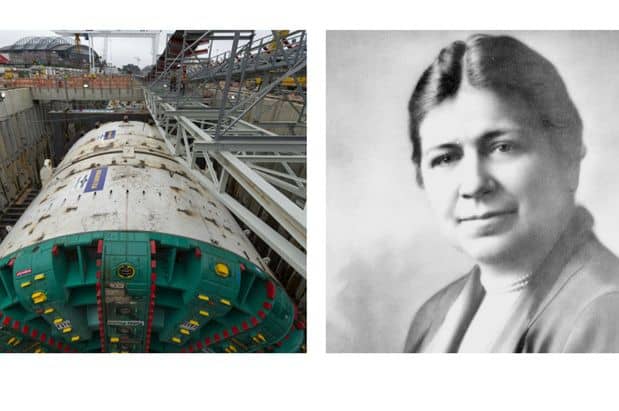
!–paging_filter–pPoor Bertha, she deserved better. Bertha Knight Landes, that is. She was Seattle’s first and only woman mayor. In fact, she was the first female mayor of a major American city. She served from 1926 to 1928. Prior to that, she was president of the City Council and involved in many good government organizations in town. She ran because the corrupt city needed a good “housekeeper,” and she tried to do that by cracking down on crooked cops, illegal gambling and bootleggers. After two years, however, she was beaten for reelection by a rookie newcomer named Frank Edwards, who was a shill for the business community. Bertha’s career was halted abruptly by the political conditions on the ground in Seattle, a city with a history of being of two minds about vice.brbrWe haven’t elected a woman mayor since, but naming the world’s largest tunnel-boring machine after her seemed appropriate. “Bertha” is synonymous with “big,” which the tunnel project is. But Bertha was also supposed to represent enlightened progress in a city whose transportation system needed some good housekeeping. The boring machine would core out the muck and glacial remains under the old waterfront and dig a foundation for Seattle’s new face to the world. Traffic would flow smoothly and silently out of sight, the Berlin Wall of viaducts would be torn down, and downtown would flourish. We debated the digging risks and how to pay for it, but for a majority of voters, Bertha seemed the best path forward.brbrOnly now, a year into the project’s launch, Bertha the Boring Machine is stuck. She needs major repairs. Until then, the big machine is dead in the mud, unable to burrow her way forward. The tunnel diggers have to rescue her by digging an enormous pit so they can access her front end and remove the cutterhead and repair the main bearing that turns her cutters. Bertha cost $80 million to build; the rescue plan is estimated to cost at least $125 million. brbrBertha has many moving parts, and once she’s dismantled in situ, repair crews will have a much better idea of how to fix her—it could be more than bearing problems that brought her to a standstill last December. At best, she’ll be more than a year late. At worst, she can’t be fixed. It’s so bad that even the state’s secretary of transportation will no longer guarantee Bertha will finish the job. brbrBertha’s crisis has consequences. She’s a critical moving part in a massive Seattle makeover. Digging the tunnel allows the Alaskan Way Viaduct to be replaced. That opens up the central waterfront for a redevelopment estimated to cost more than $1 billion. Projects include a new seawall, new surface transportation routes across the waterfront, an expansion of Pike Place Market that connects to an expanded Seattle Aquarium, links to the refurbished Mercer Corridor, plus an eventual makeover of the ferry terminal at Colman Dock. Bertha’s progress is key to all of it coming together. brbrIt’s fair to ask questions in the meantime. How costly will delays be, and will they proliferate throughout the complex web of projects? Have the city and state bitten off more than they can chew? While the cause of Bertha’s paralysis is not yet fully known, the costs of her rescue and delay are mounting.brbrAnd who will ultimately pay when the bill comes in? Olympia has said that Seattle taxpayers should be on the hook for cost overruns, but the language of the legislation might not be enforceable. In the meantime, the Washington State Department of Transportation and Seattle Tunnel Partners, the contractor, are arguing over blame. brbrPoor Bertha. Like her namesake’s, her progress has been blocked. All around there is anxiety, bickering, unanswered questions. Even once she’s done, Bertha’s biggest challenge might prove to be digging her way through all the lawsuits that surely lie ahead./p
Follow Us
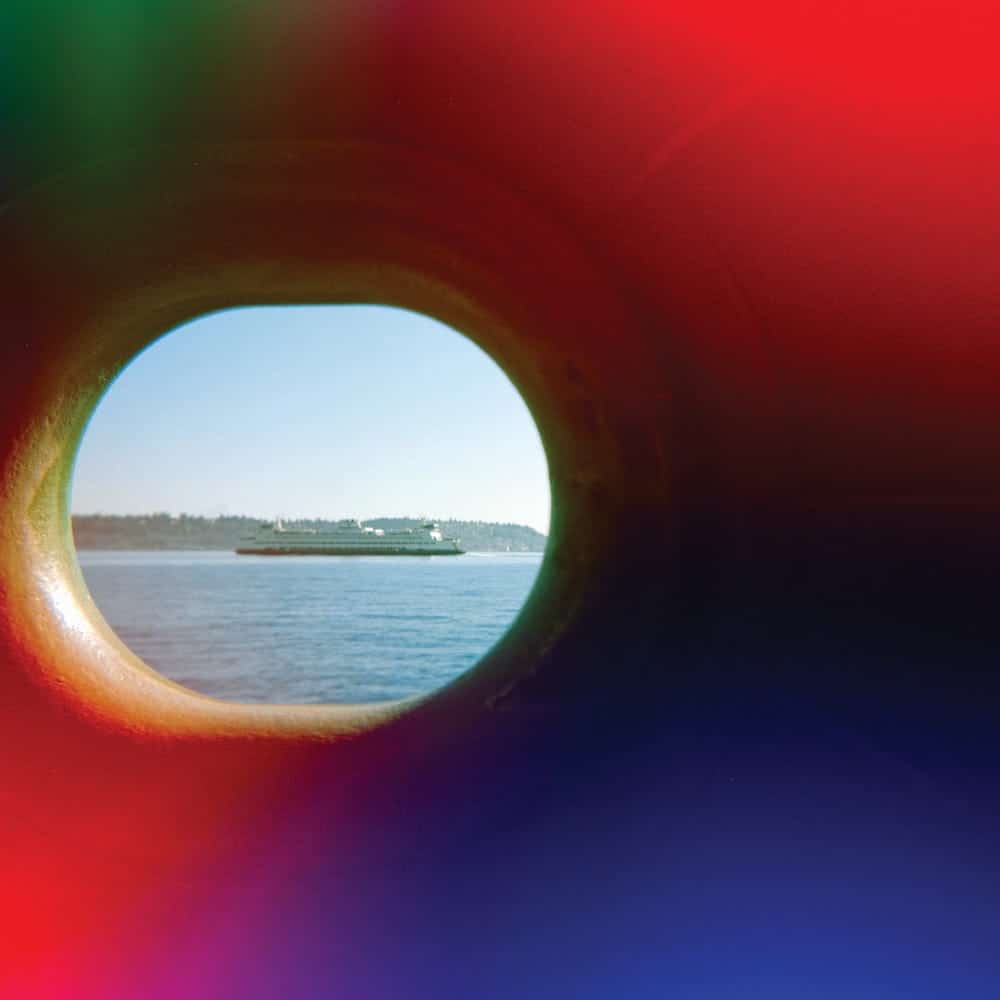
Photo Essay: Ferry Therapy
Words and photographs by Anna Starr.
Riding the ferry is my favorite Seattle pastime. At any given time on a Washington State Ferry you will find a group of tourists with too many suitcases, someone in work clothes peacefully napping, a jigsaw puzzle diligently being completed, lovers having a Titanic-esque moment on a balcony (fun fact: those balconies are called pickleforks),…
AANHPI Month: Where to Celebrate, Eat, and Learn Around Seattle
From festivals and museum exhibits to food tours and historic neighborhoods, here are a few ways to mark the month across the region.
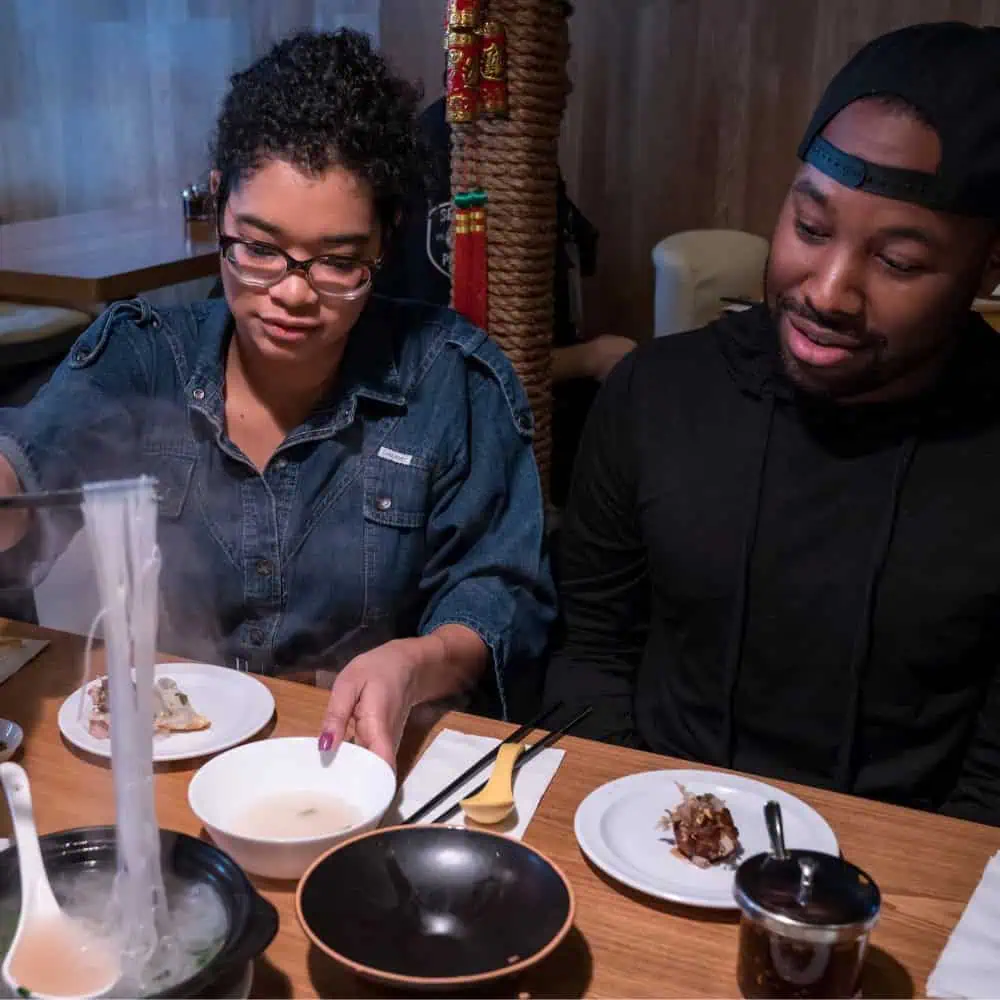
Asian American, Native Hawaiian, and Pacific Islander Heritage Month—known as AANHPI Month—is observed in the U.S. each May. It began as a weeklong observance in 1978 and expanded to the full month in 1992. Asian, Hawaiian, and Pacific Islander communities in the United States extend back much further, including to the late 16th century, when…
Black Panther Park in Skyway Becomes First Black Panther Park in the World
The new community garden honors the Black Panther Party’s legacy of food justice and the Skyway neighbors who helped bring it to life.
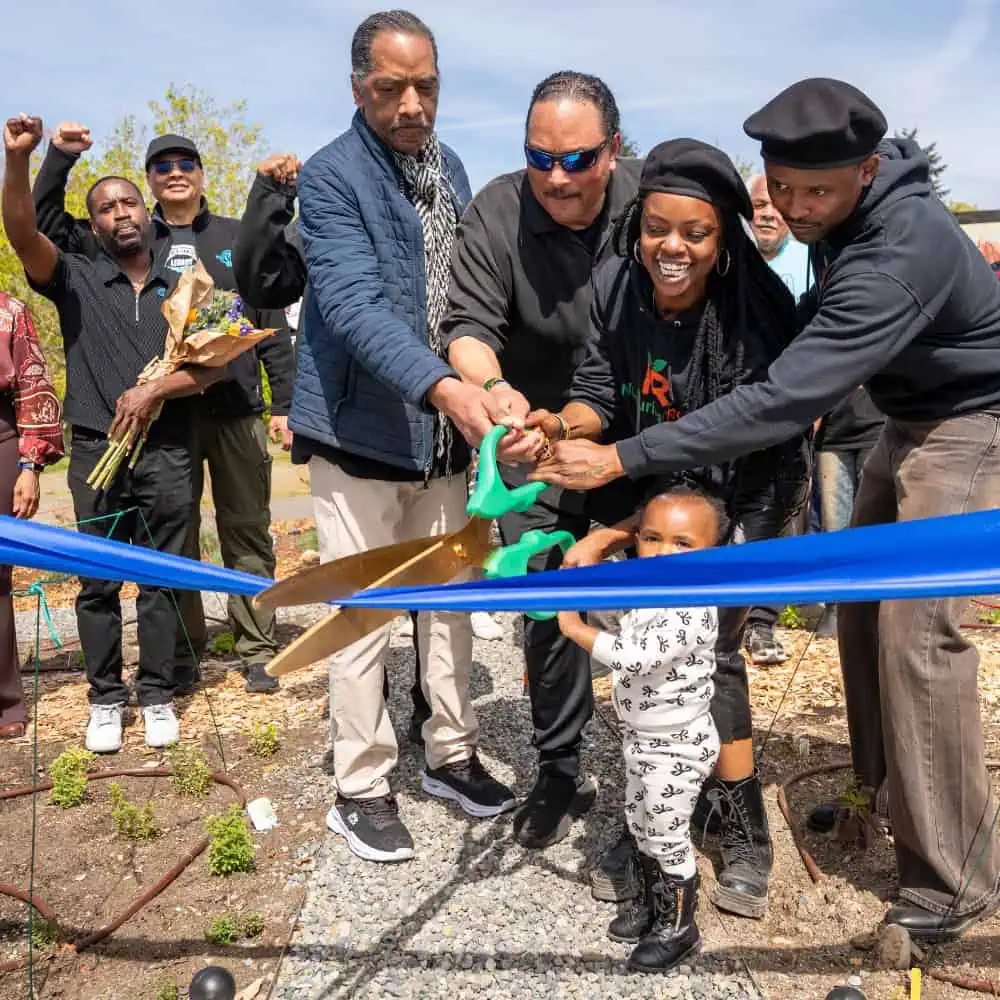
On a sunny Sunday earlier this month, at the corner of 75th Avenue and Renton Avenue South, the community gathered for the opening of Skyway’s Black Panther Park. Inspired by the Black Panther’s Free Breakfast for School Children program that compelled the federal government to provide breakfast in schools, Black Panther Park is a community…
Rearview Mirror: A Family Coming Apart, SIFF, and My First Fashion Show
Things I did, saw, ate, learned, or read in the past week (or so).
The Family House A house can hold a lot, and Seattle Rep’s Appropriate knows that. Branden Jacobs-Jenkins’ Tony-winning play, directed here by Timothy McCuen Piggee, drops the Lafayette siblings into their late father’s hoarded, falling-apart Arkansas plantation home for an estate sale, and lets the whole thing crack open from there. The sibling dynamics are…