




Bicyclists and Drivers: Who Rules the Roads?
Knute Berger traces the local roots of our current road wars
By Seattle Mag January 20, 2014
This article originally appeared in the February 2014 issue of Seattle magazine.
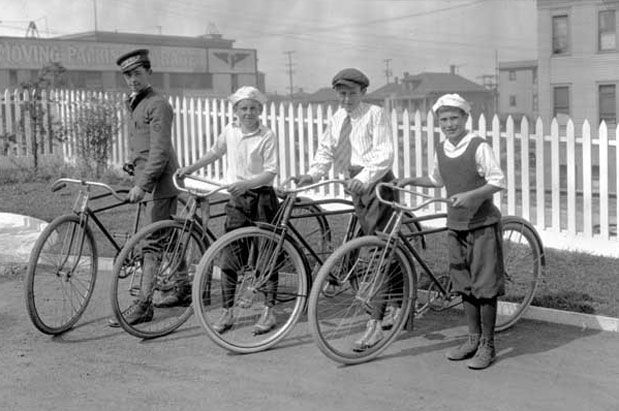
!–paging_filter–pDrivers complain about reckless cyclists and bristle at the idea of having to share the roads. Increasingly, attention is being paid to the number of bikers fatally hit by cars, with drivers often going unpunished even when they are at fault. That trend prompted a recentem New York Times /emop-ed writer to ask, “Is It OK to Kill Cyclists?” brbrLast summer a friend of mine, Dan McConnell, was assaulted by a cyclist, who punched him in the face through Dan’s open driver’s window, leaving him with split lips and loose teeth. As far as Dan knew, it was unprovoked, but the cyclist apparently felt Dan had not shown him due deference. The cyclist fled. Dan says if the police ever catch him, the rider will be charged with felony assault for the punch-and-run. brbrDan is not alone. Both drivers and cyclists have been victims of road rage, and it’s not an entirely new phenomenon. Competition and thrown punches over who rules the roads goes way back in Seattle. brbrI learned that while doing a Crosscut research project on the roots of urbanism here. It included digging into late-19th- and early-20th-century Seattle, which saw huge changes in its transportation infrastructure. We moved from roads of mud and horse manure to paved streets more suitable for a newfangled form of urban transportation—the bicycle—which was followed soon after by the advent of the motorcar, the first of which arrived in 1900. Add to the mix an expanding streetcar system that linked the far-flung parts of Seattle by rail.brbrNegotiating change was tricky. Bikes created some chaos on the streets. They allowed individuals great freedom, and the ability to dodge in and out of traffic at high speed—bike speeders were called “scorchers.” They sometimes frightened horses and knocked down pedestrians. Bikes were even banned from downtown sidewalks for a time. In 1894, a group of “wheelers” was knocked down by a young lout on a farm horse. The bikers retaliated by beating him senseless. The Seattle police added patrol officers to keep a close eye on the bikers.brbrThe city saw bikes as an asset for recreation and for commuting. By 1900, Seattle had some 25 miles of dedicated bike trails, paid for by cyclists and designed with the help of city engineers. The city also experimented with grade-separated bike lanes. In the 1890s, private investors built a bikes-only toll road that stretched between downtown and Georgetown, with hopes of linking the city with Tacoma. brbrBut by the turn of the century, bicycles began to be displaced by the new, more powerful auto. And if bikes, horses and mud didn’t mix well, the fast, powerful auto created even more problems. Cars changed the speed at which the city moved, from a walk to a run, or faster. There were no driver’s licenses then; the first cars were mostly expensive toys for rich men, who often drove so recklessly, they became known as “automaniacs.” They ran people over, collided with trains, hit cyclists. In the Rainier Valley, some citizens threatened to shoot reckless speeders.brbrIt took work to bring order: better roads, speed limits, penalties for breaking rules, licenses to identify individual drivers, a motorized police department that could catch reckless scofflaws. Eventually, wagons, bikes and trolleys largely disappeared, and cars ruled the streets.brbrNow, we’ve cycled back, transportation-wise. Bikes are popular again, environmentally clean and useful for getting around. Streetcars, which vanished by the 1940s, are coming back, too. The new urban strategy is to get the city to respect multiple modes, to be “bike friendly” and “walkable,” as well as functional for cars, trucks and transit. brbrIt won’t happen on its own. Not only do we need to continue to expand infrastructure for each mode (more separated bicycle lanes, sidewalks and freight mobility improvements), we need to move away from the polarized mentality of cars versus bikes. There should be no “war” on anything. brbrWe need fewer belligerent drivers and fewer righteous cyclists. We should require that everyone take courses that reinforce the rules of the road and a culture of multimodal civility. That’s critical if we want our increasingly dense city to be a place where we can reach our destinations without running people down or throwing punches./p
Follow Us
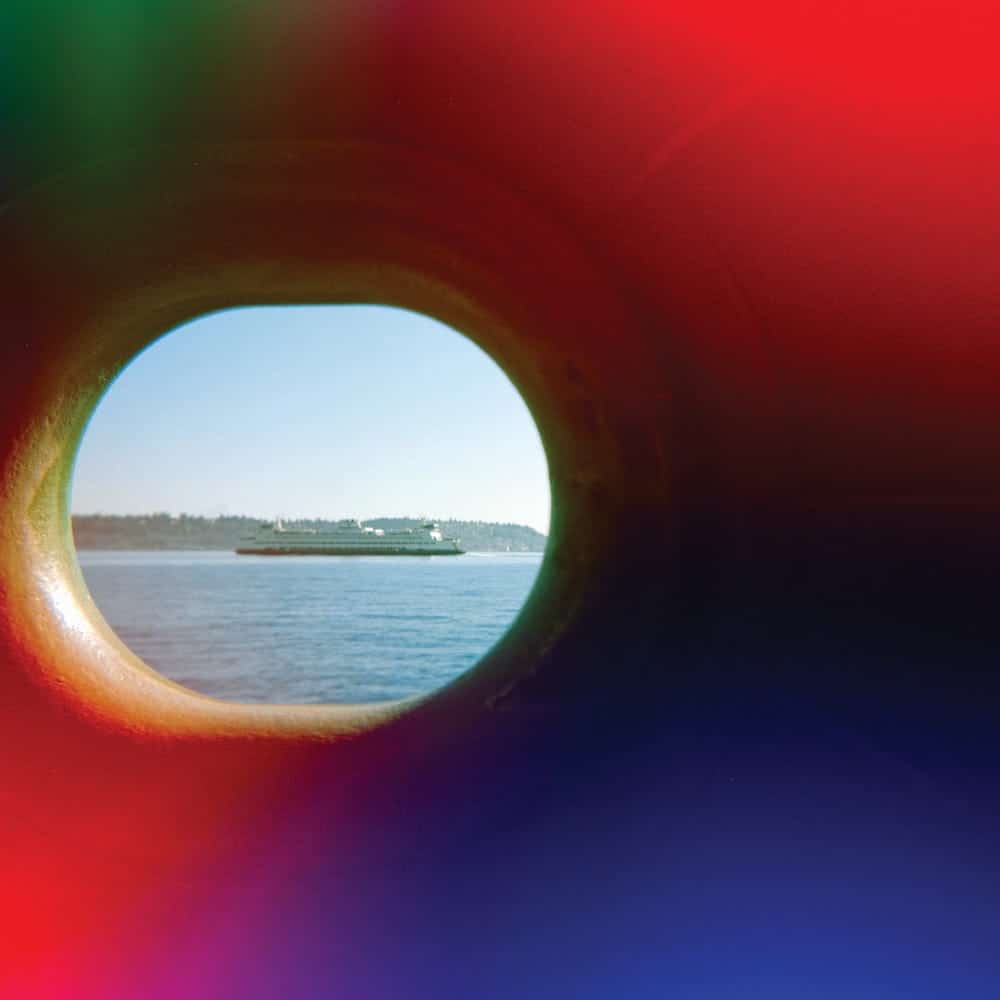
Photo Essay: Ferry Therapy
Words and photographs by Anna Starr.
Riding the ferry is my favorite Seattle pastime. At any given time on a Washington State Ferry you will find a group of tourists with too many suitcases, someone in work clothes peacefully napping, a jigsaw puzzle diligently being completed, lovers having a Titanic-esque moment on a balcony (fun fact: those balconies are called pickleforks),…
AANHPI Month: Where to Celebrate, Eat, and Learn Around Seattle
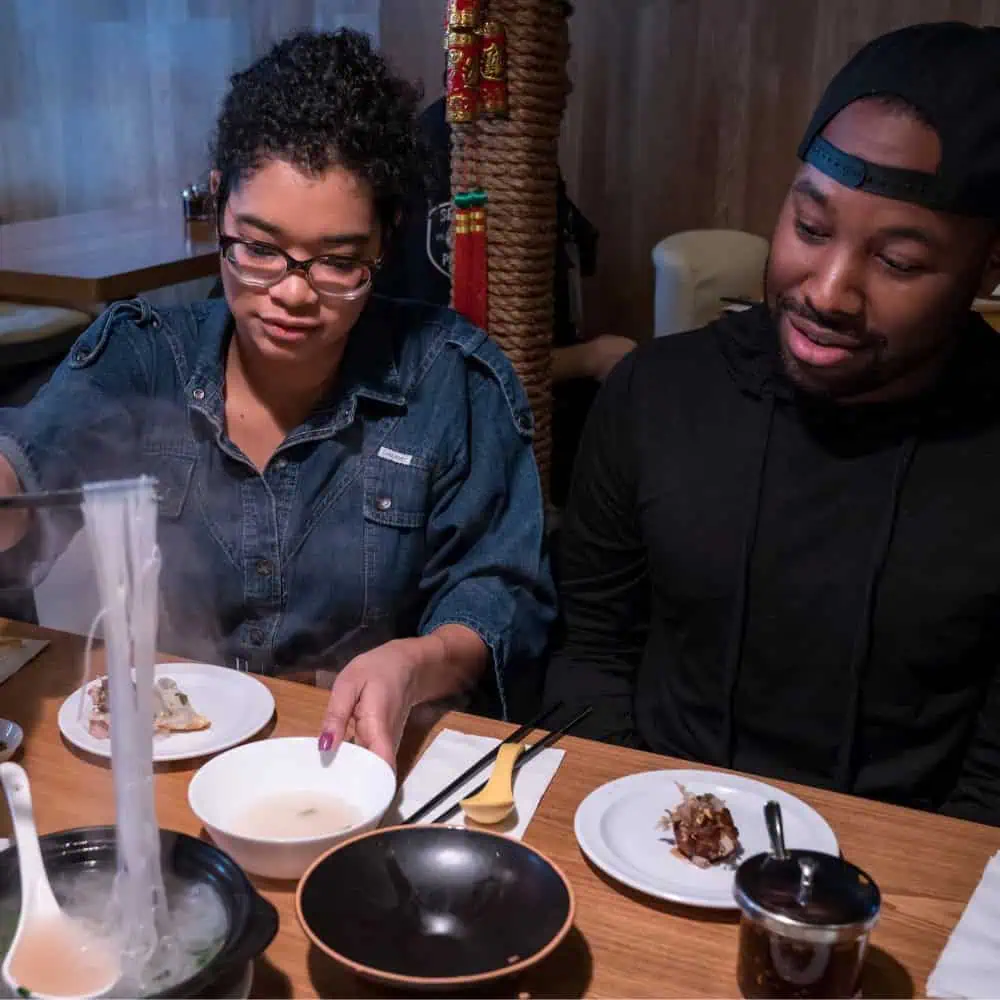
From festivals and museum exhibits to food tours and historic neighborhoods, here are a few ways to mark the month across the region.
Asian American, Native Hawaiian, and Pacific Islander Heritage Month—known as AANHPI Month—is observed in the U.S. each May. It began as a weeklong observance in 1978 and expanded to the full month in 1992. Asian, Hawaiian, and Pacific Islander communities in the United States extend back much further, including to the late 16th century, when…
Black Panther Park in Skyway Becomes First Black Panther Park in the World
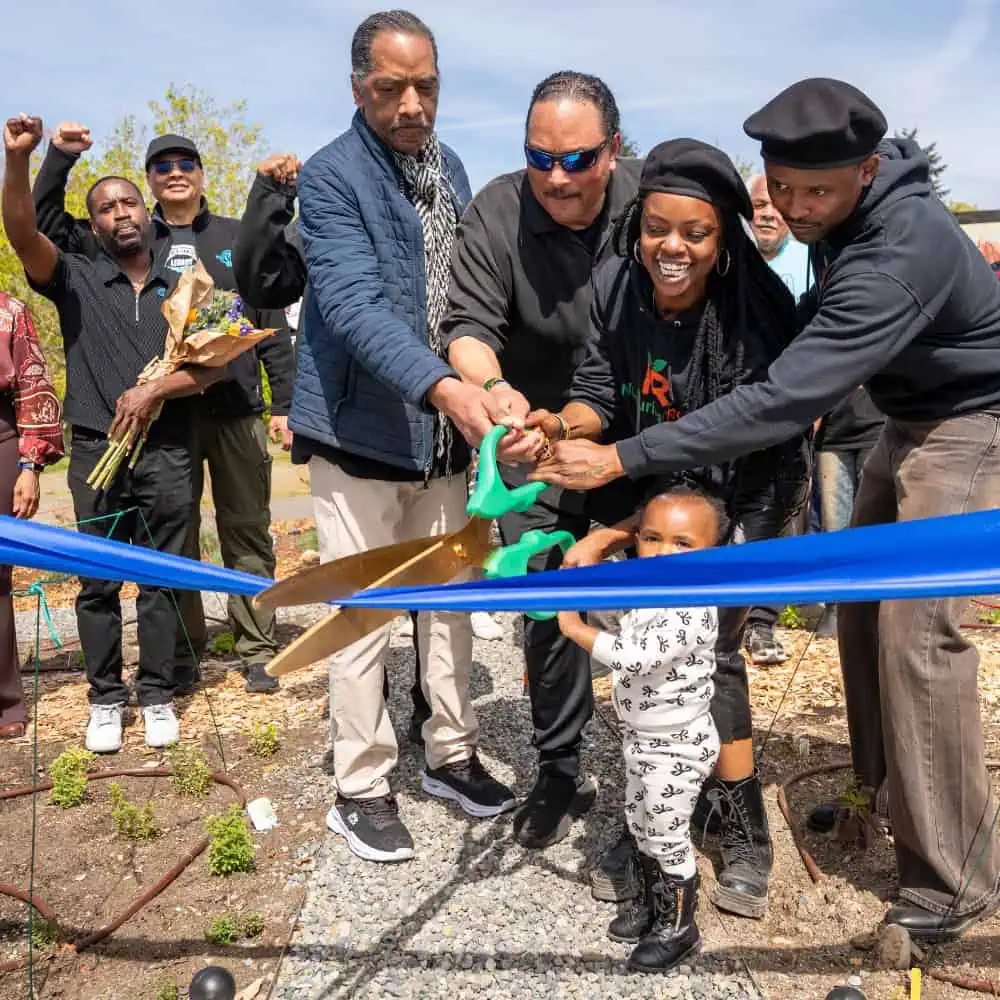
The new community garden honors the Black Panther Party’s legacy of food justice and the Skyway neighbors who helped bring it to life.
On a sunny Sunday earlier this month, at the corner of 75th Avenue and Renton Avenue South, the community gathered for the opening of Skyway’s Black Panther Park. Inspired by the Black Panther’s Free Breakfast for School Children program that compelled the federal government to provide breakfast in schools, Black Panther Park is a community…
Rearview Mirror: A Family Coming Apart, SIFF, and My First Fashion Show
Things I did, saw, ate, learned, or read in the past week (or so).
The Family House A house can hold a lot, and Seattle Rep’s Appropriate knows that. Branden Jacobs-Jenkins’ Tony-winning play, directed here by Timothy McCuen Piggee, drops the Lafayette siblings into their late father’s hoarded, falling-apart Arkansas plantation home for an estate sale, and lets the whole thing crack open from there. The sibling dynamics are…