




Joel McHale, Funny Man
The former Seattleite riffs on fame, fortune and life’s pinnacles
By D. Scully November 4, 2016

This article originally appeared in the December 2016 issue of Seattle magazine.
Joel McHale, born in Rome, Italy, and raised on Mercer Island, cut his performing teeth on KING-TV’s Almost Live before taking on Hollywood, where he’s appeared on Community, The Soup and the new CBS comedy The Great Indoors. We caught him between takes for a chat about his new half-memoir, half-self-help book, Thanks for the Money.
Seattle Magazine: So what’s your book about? Let’s start with the title.
Joel McHale: Thanks for the Money. There’s no way I could have filled 300 pages with quips from my life. I thought, “We should make this a self-help book” and that’s why I called it, Thanks For The Money. It’s also a commentary on when you become famous, or semi-famous, or barely-famous…people starting giving you stuff for free, and they begin to pay you really well for elaborate fart jokes.
SM: I was reading that you’ve created this persona of a smarmy jerk, but that’s not you.
JM: Yeah, well, hopefully. There might be people who think I’m a d*%. But I think the nature of The Soup was that the show was a satire, commentary, and ridicule of reality shows and celebrity news. And I think that translated to my first few roles. I started getting cast as this kind of @$$hole. Then [when I was appearing] in Community people said, “He’s just like you!” and I’m like, “Thanks?” Cause I’m like, ‘Well, I’m married with children. I’m not an unsympathetic womanizer.’ “
SM: Reading your book, I’m thinking, “He’s invented this persona. I wonder if he feels the pressure to have to keep this up when he goes out in public?” Do you?
JM: When I first met Anne Heche I think she was getting ready for me to insult her but that was years ago. I used to talk to acting students and they’d say, “I don’t want to be typecast.” I’d say, “You pray to God that you create a character that’s so good, that people want to cast you as that. That’s a luxury and 1% of actor have that problem, and you should be thrilled. It’s your job to fight against that and do something else.”
SM: I liked what you write about winning the Hollywood game—going from unemployed actor who couldn’t even get an agent to one who gets offered roles for major projects.
JM: When I was on Almost Live I was pretty terrified to be on semi-live television. But when you get to LA, it’s a very weird thing. You’re like, “Okay, I’m here. I moved. I brought all my stuff. I dragged my wife down here.” It got to a point where I got lucky and started booking commercials. I couldn’t get an agent for television or movies, and I was doing so many auditions for commercials that I just didn’t care anymore. And that’s of course the point where I could be free and loose. All of a sudden, when you really don’t care, then it starts to work.
The same thing happened when I started booking television shows. I was doing all these network tests and not getting the show. And then I’d walk into a room and was like, ” #*% all of you!” at all these execs. And that’s when I started booking TV shows.
SM: While I was reading the book, there were a number of times where I wondered: “Is this true or not?”
JM: I hope I was clear that all that memoir stuff, those are all real stories. But obviously, things like my parents in sexual positions is all made up.
SM: One of the highlights in the book is when you hosted the White House Correspondents’ Dinner and met Obama, whose comedic timing was impeccable. Were there other pinnacles you didn’t mention?
JM: There was a moment when I was like, “Oh, I’ve been asked to be on Sesame Street.” That was truly…thrilling. And then Steve Martin saw my standup and said, “That was really funny.” And I was like, “F#*%in’ A.” And then he said, “Will you go over my jokes with me?” and I said, “Yes. Yes, Mr. Martin.” When I did a movie with Robin Williams, I thought, “I can’t believe that somehow we’ve gotten here.” Getting to spend any time with him was an absolute thrill. It’s so weird because there have been so many moments when I go, “Why did I get so lucky? How come I’m so blessed?” and I don’t know, so I just thank God and [try to] be thankful.
SM: Is there a personal pinnacle?
JM: Having a wife that still loves me after 20 years, and an 8- and 11-year-old who, I believe, actually like me—I am most proud of that. I know that answer seems like, “Awww, he went there” but as far as my life, that’s most successful thing I’ve ever done.
SM: So tell us about The Great Indoors. How did that come about?
JM: The last few years I’ve been in a unique position that I’d never thought I’d be in and that’s…I’d be offered roles. This one seemed like a big enough sandbox to play in, having three generations in a workplace comedy. And it was the right combination of actors, the vision from the creators, and a very good writing team, including the two guys [Brad Stevens and Boyd Vico] that helped me write this book . Five hundred scripts get read by CBS, 200 get bought, some get developed, and eight get made. And we got so lucky. It all came together with this funny cast and I believe the writing is strong. I love that it’s multi-cam, because I love being in front of an audience. Once again, a record-breakingly long answer.
Follow Us
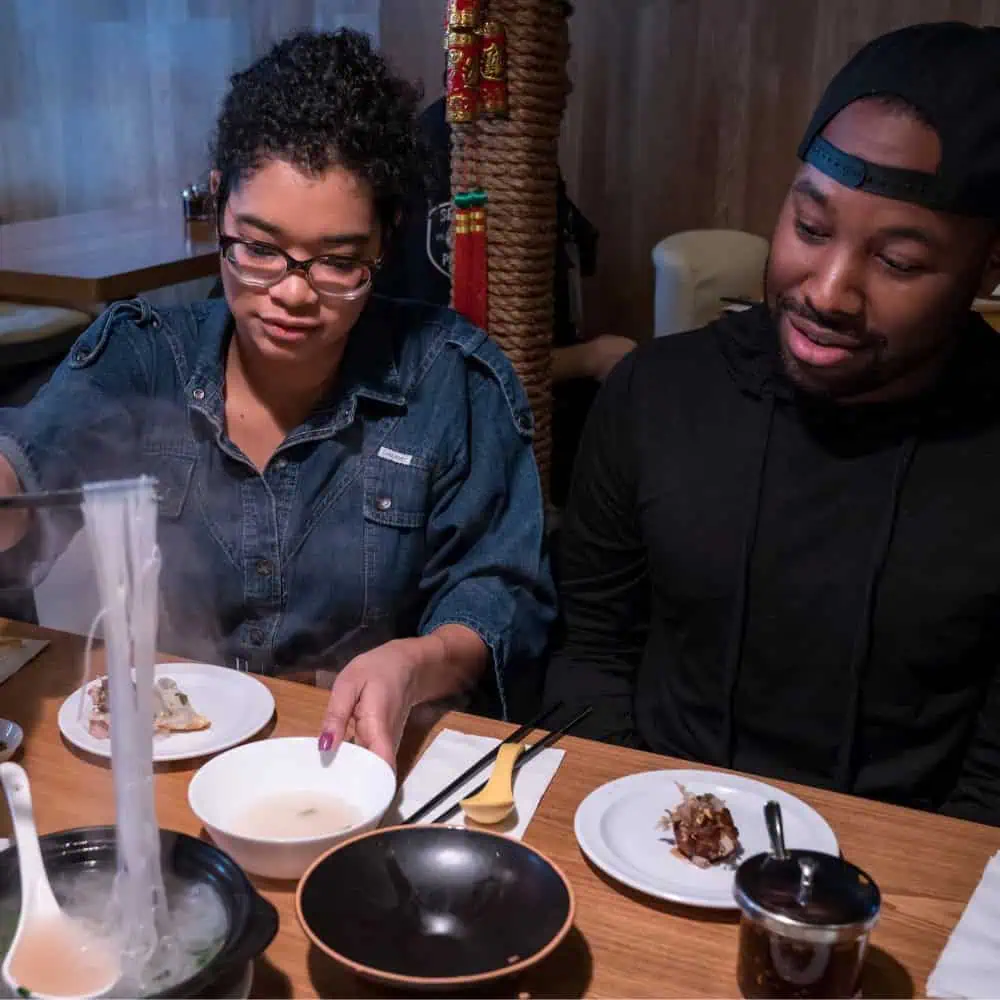
AANHPI Month: Where to Celebrate, Eat, and Learn Around Seattle
From festivals and museum exhibits to food tours and historic neighborhoods, here are a few ways to mark the month across the region.
Asian American, Native Hawaiian, and Pacific Islander Heritage Month—known as AANHPI Month—is observed in the U.S. each May. It began as a weeklong observance in 1978 and expanded to the full month in 1992. Asian, Hawaiian, and Pacific Islander communities in the United States extend back much further, including to the late 16th century, when…
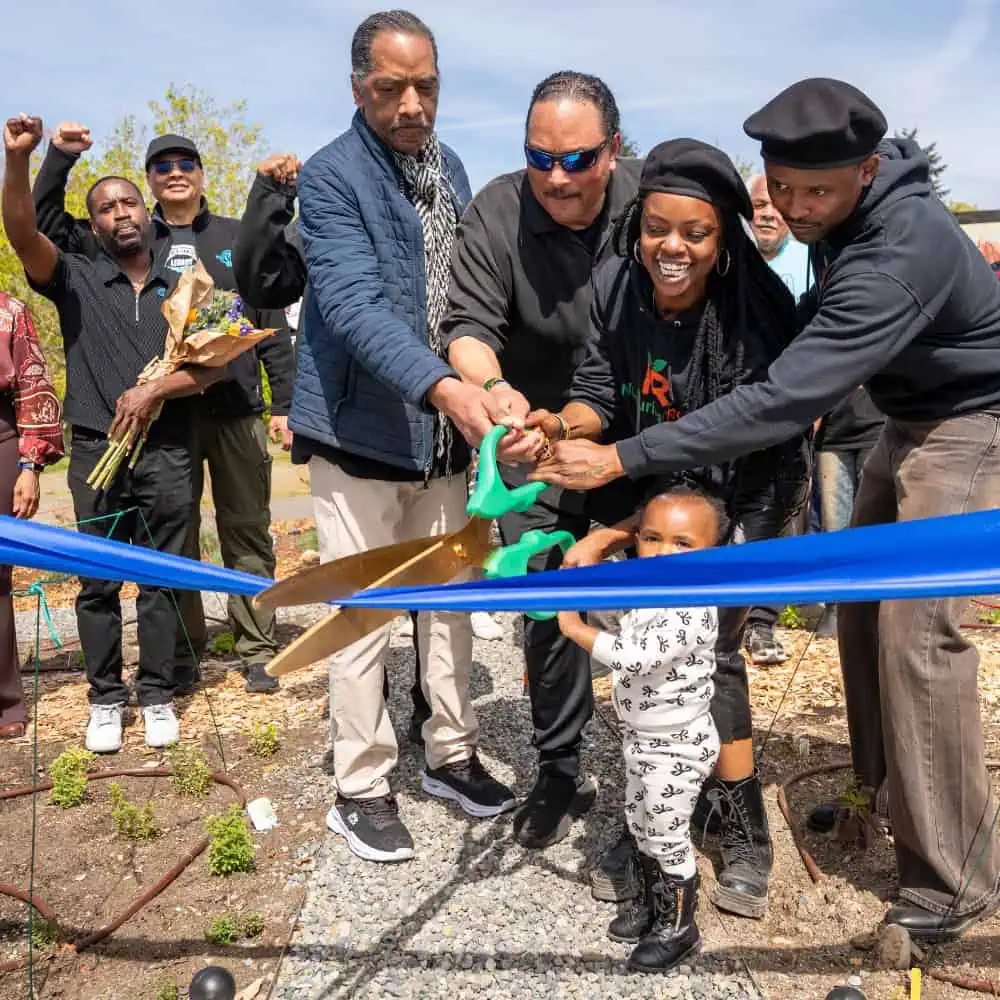
Black Panther Park in Skyway Becomes First Black Panther Park in the World
The new community garden honors the Black Panther Party’s legacy of food justice and the Skyway neighbors who helped bring it to life.
On a sunny Sunday earlier this month, at the corner of 75th Avenue and Renton Avenue South, the community gathered for the opening of Skyway’s Black Panther Park. Inspired by the Black Panther’s Free Breakfast for School Children program that compelled the federal government to provide breakfast in schools, Black Panther Park is a community…

Rearview Mirror: A Family Coming Apart, SIFF, and My First Fashion Show
Things I did, saw, ate, learned, or read in the past week (or so).
The Family House A house can hold a lot, and Seattle Rep’s Appropriate knows that. Branden Jacobs-Jenkins’ Tony-winning play, directed here by Timothy McCuen Piggee, drops the Lafayette siblings into their late father’s hoarded, falling-apart Arkansas plantation home for an estate sale, and lets the whole thing crack open from there. The sibling dynamics are…
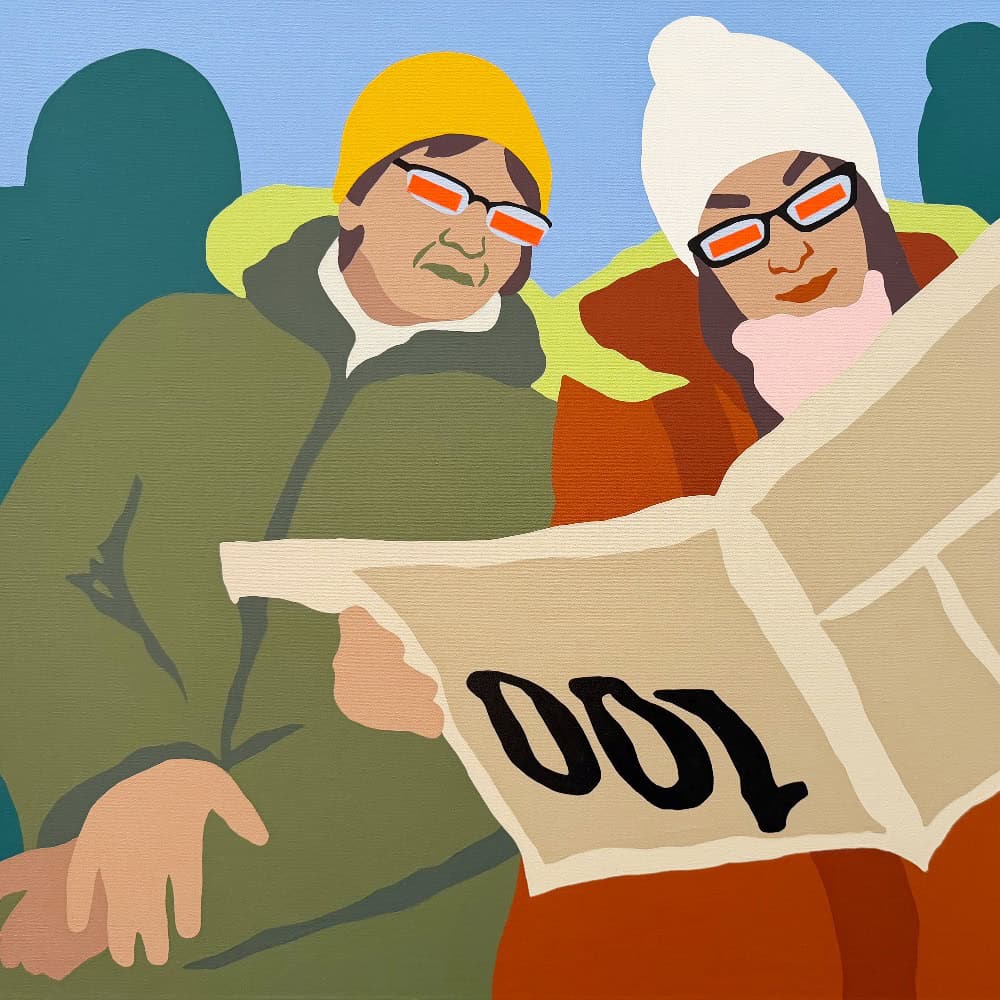
Studio Sessions: Raili Jänese
The Kirkland painter brings a playful eye to daily life and the little rituals of being human.
Artist Raili Jänese pays close attention to the small stuff. It might be a goose on the move, a rabbit in the yard, or a person lost in the rituals of coffee or cooking. The Estonian-born artist, now based in Kirkland, makes colorful acrylic works that turn everyday behavior—human and animal alike—into something funny and…