




Looking at Gentrification in Seattle
How historic preservation is boosting diversity at a time of gentrification
By Knute Berger October 17, 2016

Today we call it gentrification, but back in the ‘80s it was yuppiefication as young, urban professions moved into working class neighborhoods, drove up prices, and converted diners to upscale foodie enclaves. I was part of that. In the early ‘80s, I bought a bungalow in Ballard from the widow of an old Norwegian sea captain. It cost $55,000 and my parents almost had a stroke at the high price we paid for a modest home. Our neighbors in Loyal Heights might have easily regarded us as gentrifiers. And, look at Ballard today. What people like me started way back then has taken off on steroids.
I was recently on a panel at the Museum of History and Industry looking at the issue of gentrification in Seattle. The term is loosely applied now—are new, monied people coming in and displacing long-time communities, driving up prices, etc.? Yes, that’s a big part of Seattle’s current narrative. But some communities are experiencing more radical change than others.
The Central District is a prime example. One of the panelists was Pat Wright, founder and director of the Total Experience Gospel Choir. She has lived in Seattle for more than 40 years, in Madrona, once a bastion of the black middle class. Now, she says, she’s the only African American on her block.
In the course of the panel I mentioned that Seattle was more diverse than it used to be, and she questioned that. I was referring to statistics. In 1960, Seattle was 92% white. In 2010, that was down to 70%. We’re still a white city by urban standards, but we are more diverse with significant growth in the Asian and Hispanic populations.
But the black experience is different, especially in the Central District. Gene Balk at The Seattle Times did an analysis last year that showed that the black population in the CD was declining sharply, from 73% of the population in 1970 to 36% in 2000 to and estimated 19% in 2014. Within 10 years if trends hold, Balk says, the black population could be down to less than 10%. Seattle’s onetime black enclave, once home to more than 90% of the city’s black population, would have roughly the same percentage of black population as the city as a whole—a majority white city.
No wonder Pat Wright questioned my observation about Seattle’s diversity. African-Americans—a number of whom spoke at the panel–feel pushed out by whites, by higher taxes, by a loss of a community that has moved largely either to south Seattle (Rainier Beach) or South King County. And while the African-American experience is unique, they are not entirely alone. Gentrification is hitting other parts of Seattle too as real estate prices and rents continue to strain pocketbooks.
Last week I attended and spoke at the annual Historic Seattle awards dinner held at Washington Hall, which I think is one of the best monuments to Seattle’s diversity there is. Located in the Central District (Squire Park), the Hall was built in 1908 as a fraternal hall and event space by and for Danish immigrants. It has hosted Yiddish theaters groups, Filipino dance clubs, African-American speakers like W.E.B.Dubois, musicians like Duke Ellington, Jimi Hendrix and Macklemore. Mark Morris has danced there, Green River played there, Billie Holliday sang there, and the Sons of Haiti fraternal group met there. The building might have been torn down for condos a decade ago, but it was purchased by Historic Seattle in 2009. After seven years and some $10 million it has has been refurbished and restored into a wonderful event space and home to a group of local arts groups devoted to encouraging creativity and diversity in Seattle. It is now a Seattle landmark.
But it is also a “living” space, not simply a preserved structure. Washington Hall’s anchor tenants include 206 Zulu which hooks up low-income folks, youth and people of color with creative programs; Hidmo Cypher, artists and educators working to build community with what they term anti-oppression oriented art, media and culture programming; and Voices Rising, a group that supports up-and-coming LBGTQ performers.
In other words, a tradition of diversity lives on in the building, a Hall that embodies that changes and complexity of Seattle’s past, but also acts as a symbol and center for the type of city we want to be: a diverse, creative place that makes room for many kinds of people, a city that resists the forces that drive us toward a gentrified monoculture.
Follow Us
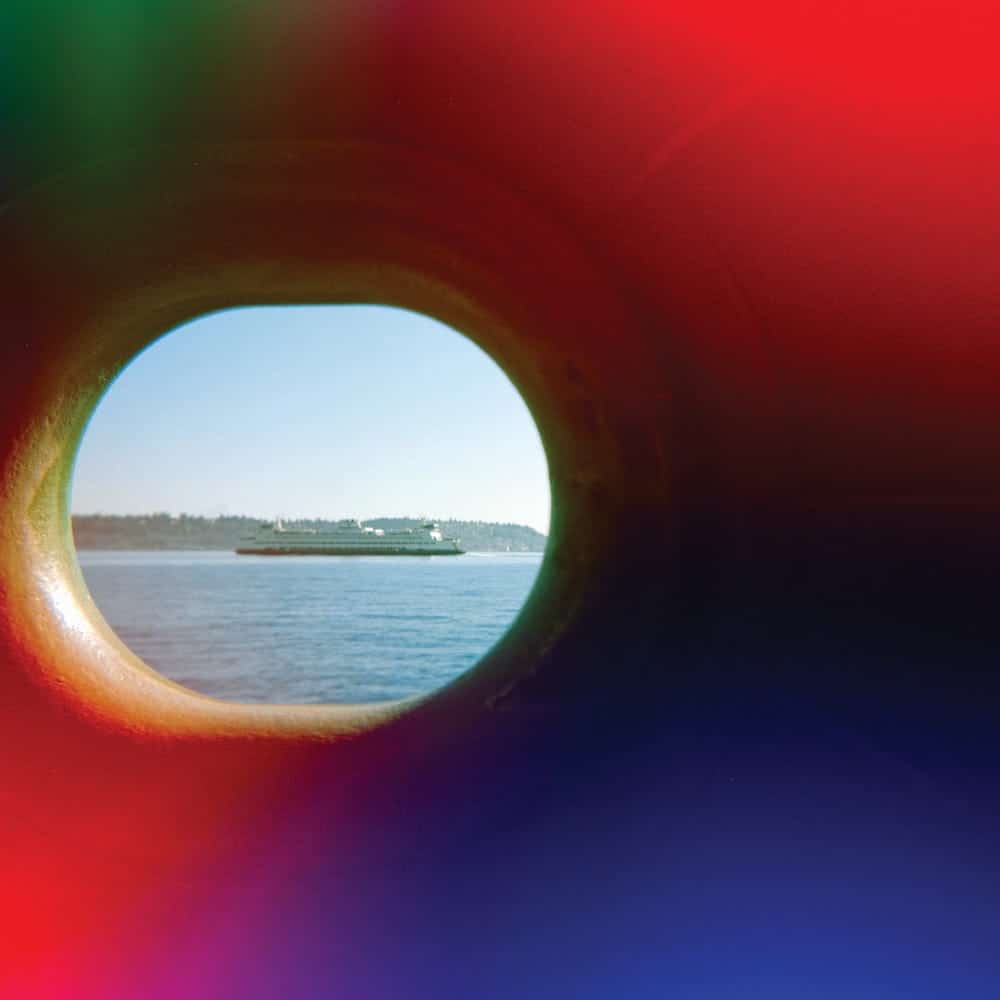
Photo Essay: Ferry Therapy
Words and photographs by Anna Starr.
Riding the ferry is my favorite Seattle pastime. At any given time on a Washington State Ferry you will find a group of tourists with too many suitcases, someone in work clothes peacefully napping, a jigsaw puzzle diligently being completed, lovers having a Titanic-esque moment on a balcony (fun fact: those balconies are called pickleforks),…
AANHPI Month: Where to Celebrate, Eat, and Learn Around Seattle
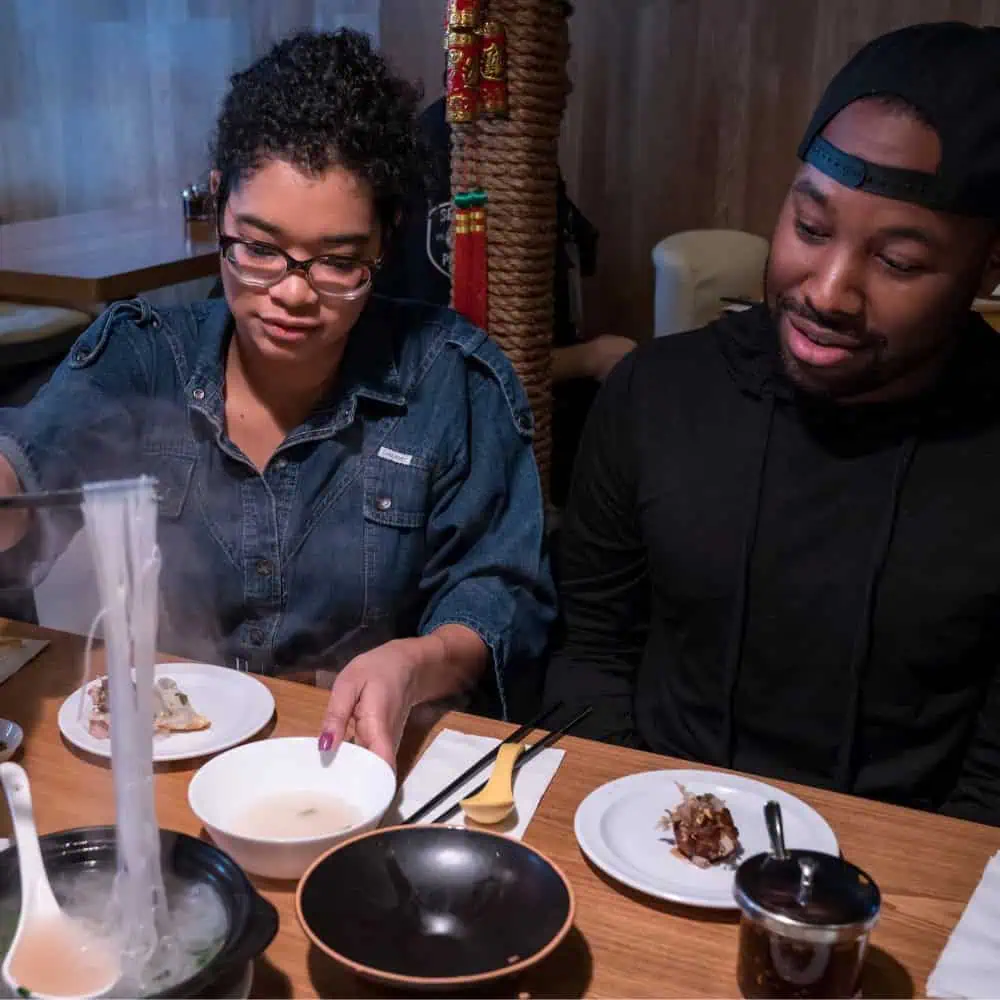
From festivals and museum exhibits to food tours and historic neighborhoods, here are a few ways to mark the month across the region.
Asian American, Native Hawaiian, and Pacific Islander Heritage Month—known as AANHPI Month—is observed in the U.S. each May. It began as a weeklong observance in 1978 and expanded to the full month in 1992. Asian, Hawaiian, and Pacific Islander communities in the United States extend back much further, including to the late 16th century, when…
Black Panther Park in Skyway Becomes First Black Panther Park in the World
The new community garden honors the Black Panther Party’s legacy of food justice and the Skyway neighbors who helped bring it to life.
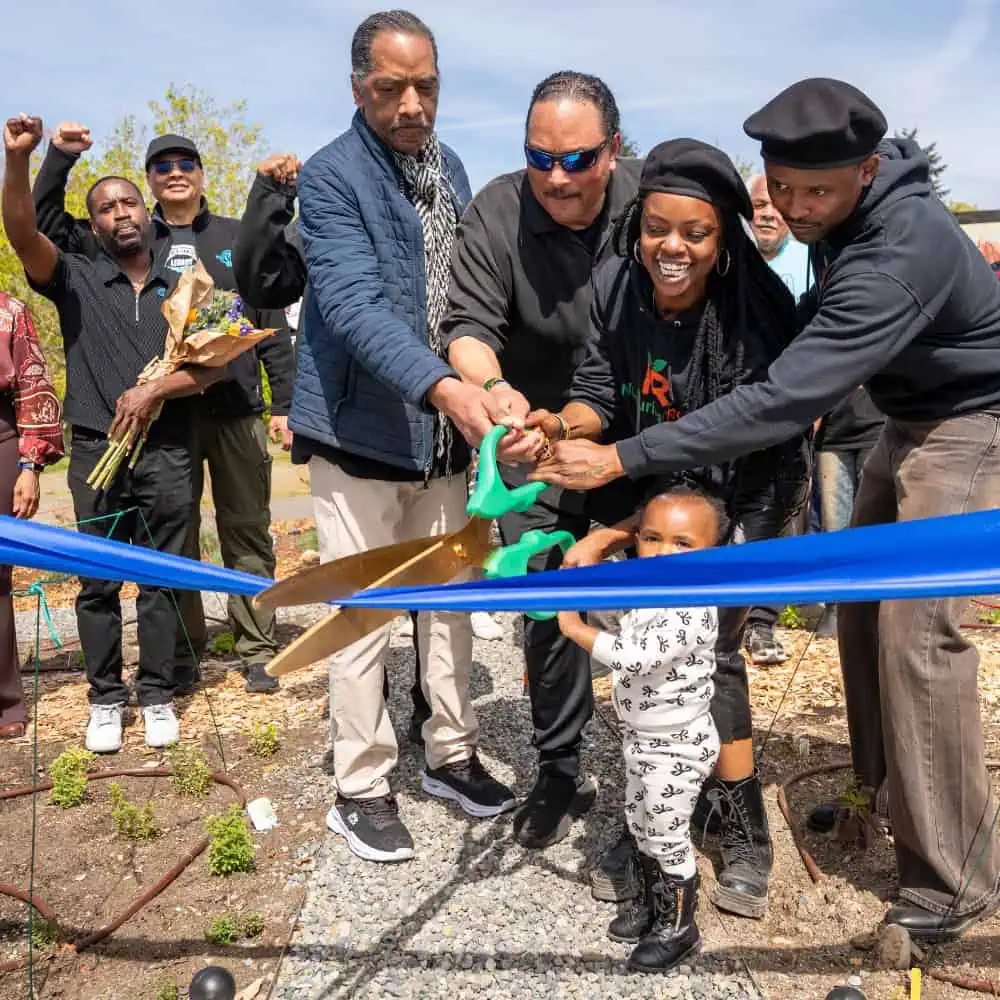
On a sunny Sunday earlier this month, at the corner of 75th Avenue and Renton Avenue South, the community gathered for the opening of Skyway’s Black Panther Park. Inspired by the Black Panther’s Free Breakfast for School Children program that compelled the federal government to provide breakfast in schools, Black Panther Park is a community…
Rearview Mirror: A Family Coming Apart, SIFF, and My First Fashion Show
Things I did, saw, ate, learned, or read in the past week (or so).
The Family House A house can hold a lot, and Seattle Rep’s Appropriate knows that. Branden Jacobs-Jenkins’ Tony-winning play, directed here by Timothy McCuen Piggee, drops the Lafayette siblings into their late father’s hoarded, falling-apart Arkansas plantation home for an estate sale, and lets the whole thing crack open from there. The sibling dynamics are…