




The Malheur Occupation and the Evolution of the Wild West
What the Malheur occupation in Oregon says about living today in the Pacific Northwest
By Seattle Mag April 12, 2016
This article originally appeared in the May 2016 issue of Seattle magazine.
The occupation of eastern Oregon’s Malheur National Wildlife Refuge by right-wing extremists is over.
Bird watchers are eager to reclaim their right to access this beautiful locale, which hosts rare migrating birds, such as sandhill cranes. Flocks of binoculared birders will descend this spring in a show of support for public ownership, conservation and cooperation. Malheur is an extraordinary place in beautiful, remote country south of Burns, Oregon.
The Bundy brothers of Nevada and their followers who took over the refuge were acting out of a wrongful sense of entitlement. Their protest sought to highlight their belief that such lands should be turned over to local control and for the use of ranchers like themselves—an argument that has been made since the days of the frontier settlers who wanted public lands for their own. No one argues that the federal government is perfect, or that ranchers and others might have differences over land use. However, when you bring loaded guns to the table in defiance of the law, you compromise your right to civil dialogue.
That tradition of gun waving is dying a slow death in the West.
Give a guy a gun and a cowboy hat and he thinks he’s a patriot, no matter what kind of nonsense he spews. And he’s treated with kid gloves: The government took its own sweet time—41 days—to resolve the standoff, something many noticed would not have happened in any African-American or urban neighborhood in America.
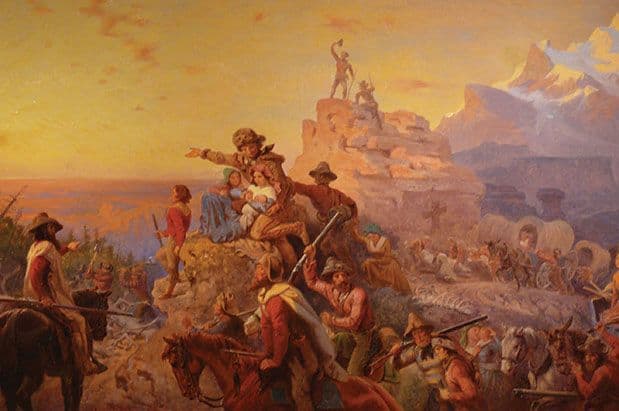
The sense of entitlement exhibited by these “patriots” seems to be increasingly embedded in and broadly interpreted by a segment of conservative ideologues, but it’s not new. It goes back to what can be called “settler rights,” which are reemerging in today’s caustic political climate.
The conservative political commentator Ann Coulter recently evoked this idea when asked on the TV show The View about her family’s immigration heritage. “Are you Native American?” she was asked. “Yes, I am. I’m a settler. I’m descended from settlers. Not from immigrants…I’m not living in the Cherokee Nation. I’m living in America, which was created by settlers, not immigrants,” she replied.
In one statement, she invented a special class of American—although her ancestors came from Europe (Ireland and Germany). She believes she’s part of a privileged class of “settlers.” These settlers, apparently, have special rights, are more American than immigrants and on superior footing to indigenous peoples. And it’s true, settlers have acted on that sense of entitlement: They “settled” the West by taking land from the tribes. In Oregon, California and elsewhere, the U.S. Army was sometimes called in to protect Native Americans against settlers who, in the name of Manifest Destiny, were acting more viciously and zealously than even the government.
Still, the military always eventually sided with the settlers and violently put down native resistance. General William S. Harney, namesake of Harney County, where Malheur is located, was an Indian fighter of the old school, yet came to distrust the U.S. government’s ability to stand up to settler pressure. “The Indians have never broken a treaty; the government of the United States has never kept one,” he said in the twilight of his career, referring to the political pressures on the frontier.
The occupation at Malheur turns out to be many-layered. Malheur is government land, but also Paiute Indian land—part of a former tribal reservation—and is now contested by a fringe group of ranchers acting like the “settlers.” Part of the crime-scene work at the refuge assessed what damage had been done to native sites and artifacts that are protected by law. It appears, for example, that the occupiers dug latrines near Native American sacred sites on the refuge. Rotting food, garbage and human feces were left behind. That’s more than a metaphor for the unresolved hostilities embedded in the occupation and its meaning.
In retrospect, the federal government and the FBI have been praised for their forbearance in handling the occupation—it didn’t turn into a Ruby Ridge. There was only one fatality: a fleeing suspected felon who defied law enforcement orders. His death has become a rallying point for those occupiers who are seeking a martyr, and has fueled—on the far right—a sense of aggrievement. Still, a whole passel of martyrs was denied.
But there has been a cost. Damage to the refuge is one. Another is uncertainty about security on public lands, especially those in remote locations that are open to visitors. Will Malheur have consequences for public safety for those who head to our region’s national parks, refuges, monuments and forests this summer? Will the image of angry rural white men, most of them armed, encourage more minorities to get out into the wilderness? Our public lands system already has very few visitors of color. Must we now worry not only about bears and bugs but armed militias asserting their right to commit depredations at will?
We have many issues to wrestle with as a society—the “settler” entitlement of these ranchers and others—is one.
Follow Us
AANHPI Month: Where to Celebrate, Eat, and Learn Around Seattle
From festivals and museum exhibits to food tours and historic neighborhoods, here are a few ways to mark the month across the region.
Asian American, Native Hawaiian, and Pacific Islander Heritage Month—known as AANHPI Month—is observed in the U.S. each May. It began as a weeklong observance in 1978 and expanded to the full month in 1992. Asian, Hawaiian, and Pacific Islander communities in the United States extend back much further, including to the late 16th century, when…
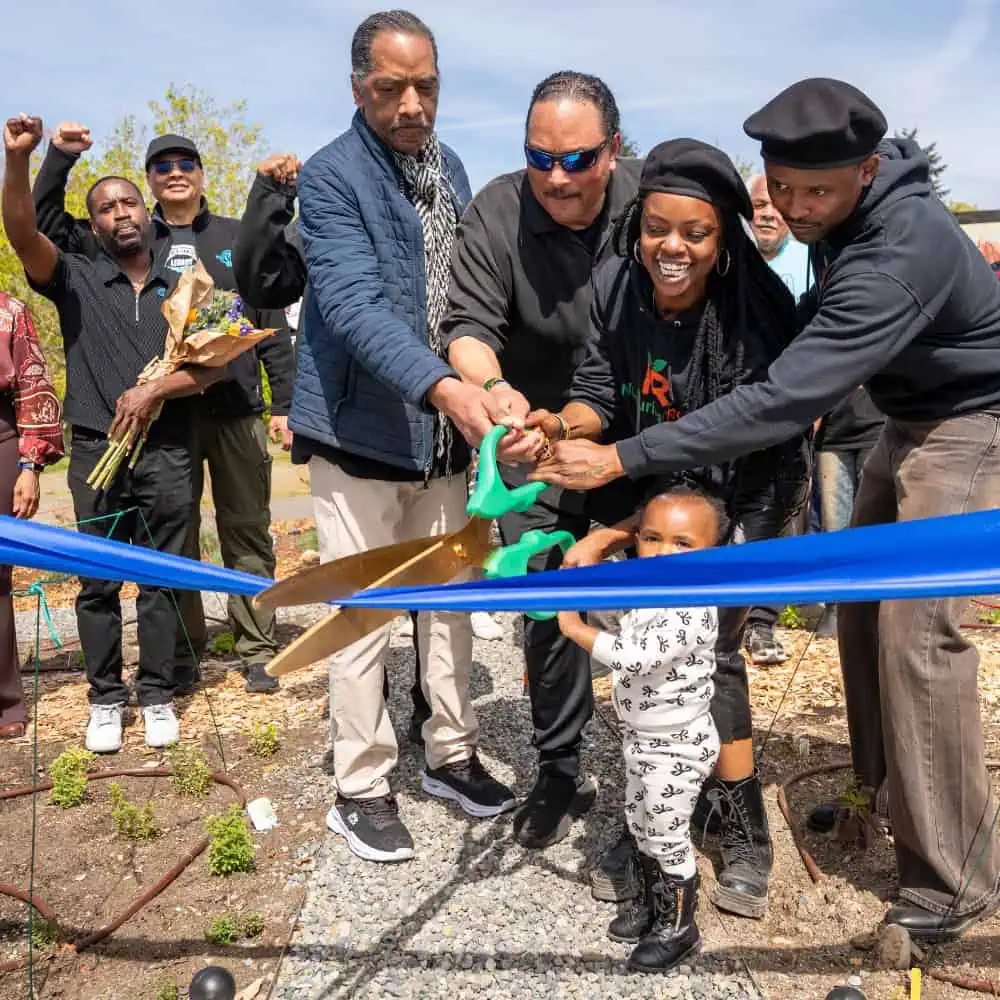
Black Panther Park in Skyway Becomes First Black Panther Park in the World
The new community garden honors the Black Panther Party’s legacy of food justice and the Skyway neighbors who helped bring it to life.
On a sunny Sunday earlier this month, at the corner of 75th Avenue and Renton Avenue South, the community gathered for the opening of Skyway’s Black Panther Park. Inspired by the Black Panther’s Free Breakfast for School Children program that compelled the federal government to provide breakfast in schools, Black Panther Park is a community…

Rearview Mirror: A Family Coming Apart, SIFF, and My First Fashion Show
Things I did, saw, ate, learned, or read in the past week (or so).
The Family House A house can hold a lot, and Seattle Rep’s Appropriate knows that. Branden Jacobs-Jenkins’ Tony-winning play, directed here by Timothy McCuen Piggee, drops the Lafayette siblings into their late father’s hoarded, falling-apart Arkansas plantation home for an estate sale, and lets the whole thing crack open from there. The sibling dynamics are…
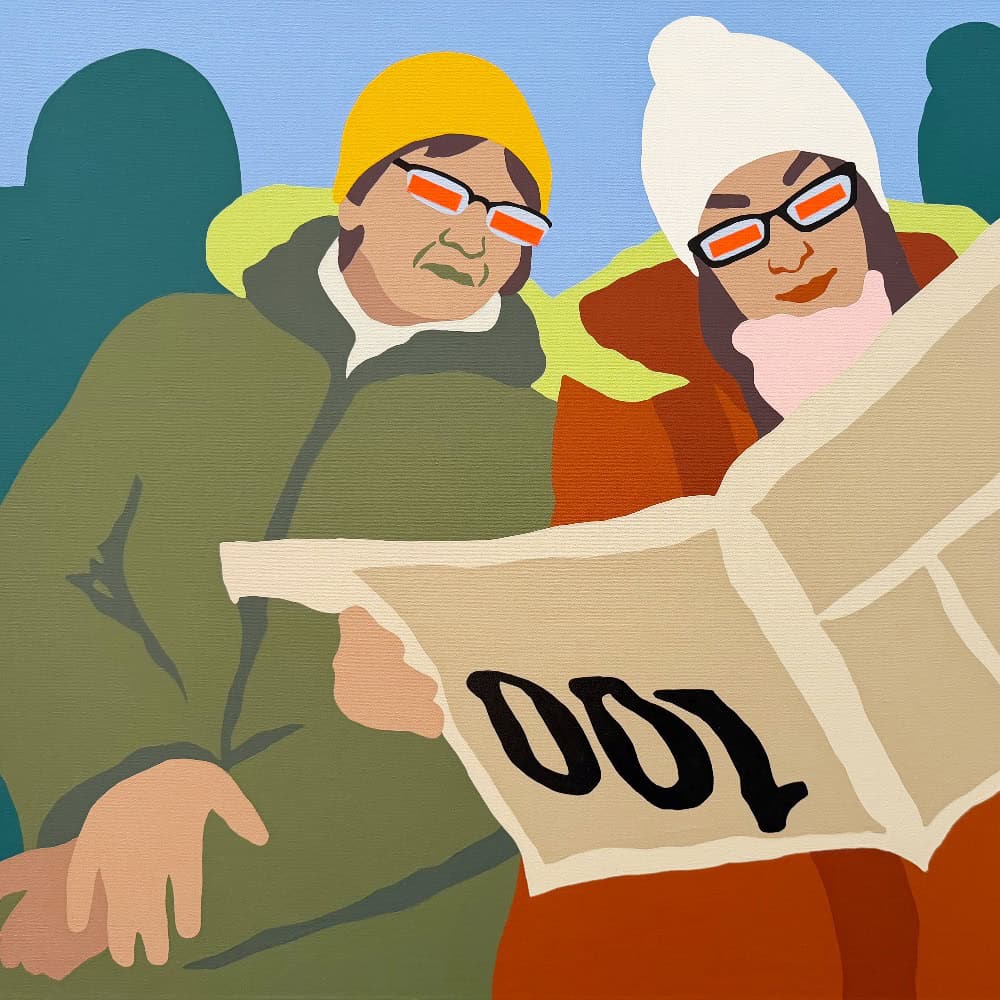
Studio Sessions: Raili Jänese
The Kirkland painter brings a playful eye to daily life and the little rituals of being human.
Artist Raili Jänese pays close attention to the small stuff. It might be a goose on the move, a rabbit in the yard, or a person lost in the rituals of coffee or cooking. The Estonian-born artist, now based in Kirkland, makes colorful acrylic works that turn everyday behavior—human and animal alike—into something funny and…