




Once a Dime a Dozen, Homes with Views are Now More Valuable than Ever
The need to accelerate efforts to protect and expand public access to views is high
By Knute Berger September 26, 2016

Views have become rare commodities in Seattle. They are desirable, expensive, hard to guarantee (what with all the new high-rise development), and they can add hundred of thousands—if not millions—to the price of a house or condo.
I know in my neighborhood, Madison Park, a common strategy is to tear down small bungalows and replace them with larger homes that rise to get at least a peek-a-boo view of the lake. Or if the bungalows aren’t torn down they are lifted up. One near my apartment was hoisted up to become the upper story of a fancy new home, which allowed the new owners to catch a smidgeon of water view. The architecture seems a tad clumsy, but I know it paid off when the resulting edifice sold for well above $1 million during the recession.
Many downtown condo dwellers are having to fight to maintain their views. Even the fancy Escala—of Fifty Shades of Grey fame—is at risk of being surround by new view-blocking development. The residents threatened to hold the city’s affordable housing plans hostage if something wasn’t done about the zoning. And while I can sympathize a little when it comes to having your view blocked, you can’t really count on anything staying the same in this rapidly changing landscape. Buyer beware.
Related: Will Seattle Sacrifice its Charm and Livabiity to Tall Towers?
The value of views are one of those things that has changed in Seattle. View homes used to be a dime a dozen. So much so that many houses were built on Seattle’s hills with their backs to the view while their picture windows face the street. Also, in some neighborhoods, you could commonly find very modest homes perched on ridge tops with spectacular views—think Mt. Baker ridge, Beacon Hill, West Seattle, parts of Queen Anne and Magnolia. This was the older, egalitarian Seattle.
Some of these still exist. A family member of mine found a modest, inexpensive rental a few years back. It was just off Dravus above Interbay. The small, funky house had a deck that offered a panorama of the Cascades from Baker to Rainier—a million-dollar view for a modest rent. Such miracles, once fairly common, are vanishing. They speak to the embarrassment of scenic riches. Or to earthquake and landslide risks.
Views were once held to be so ordinary that Seattle convinced itself to regrade—flatten—hills for the sake of convenience, which made some sense before the internal combustion engine. One, Denny Hill, was a 240-foot mound where Belltown is now. The regrades in that part of town took some 30 years to accomplish. Hills? We had so many we wouldn’t miss one! Not until now. Imagine the value of the condos there if they had been built 24 stories higher up atop Denny Hill?
The fact the views are now more valued, and more expensive, makes it more important than ever to protect and expand public access to views. You used to see the mountains from your window, now you might only be able to catch glimpses from a park or parkway. Wisely, while we were making Belltown flat, we also developed a park and boulevard system that aimed to make the natural surroundings available to everyone. So as we privatize the views, we had better accelerate efforts to protect, acquire and retain open space so that all can enjoy the scenery without having to inhabit the most expensive real estate in town—where even the rich no longer have many guarantees.
Follow Us
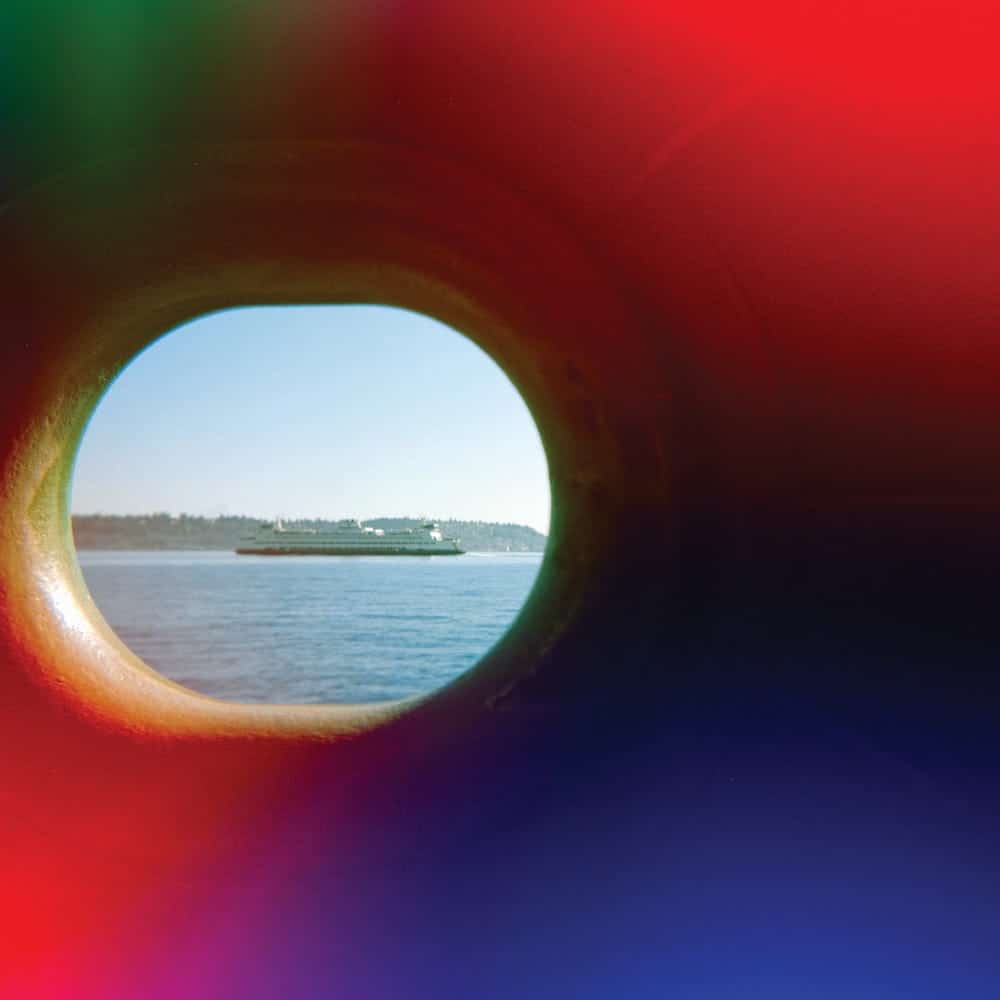
Photo Essay: Ferry Therapy
Words and photographs by Anna Starr.
Riding the ferry is my favorite Seattle pastime. At any given time on a Washington State Ferry you will find a group of tourists with too many suitcases, someone in work clothes peacefully napping, a jigsaw puzzle diligently being completed, lovers having a Titanic-esque moment on a balcony (fun fact: those balconies are called pickleforks),…

AANHPI Month: Where to Celebrate, Eat, and Learn Around Seattle
From festivals and museum exhibits to food tours and historic neighborhoods, here are a few ways to mark the month across the region.
Asian American, Native Hawaiian, and Pacific Islander Heritage Month—known as AANHPI Month—is observed in the U.S. each May. It began as a weeklong observance in 1978 and expanded to the full month in 1992. Asian, Hawaiian, and Pacific Islander communities in the United States extend back much further, including to the late 16th century, when…
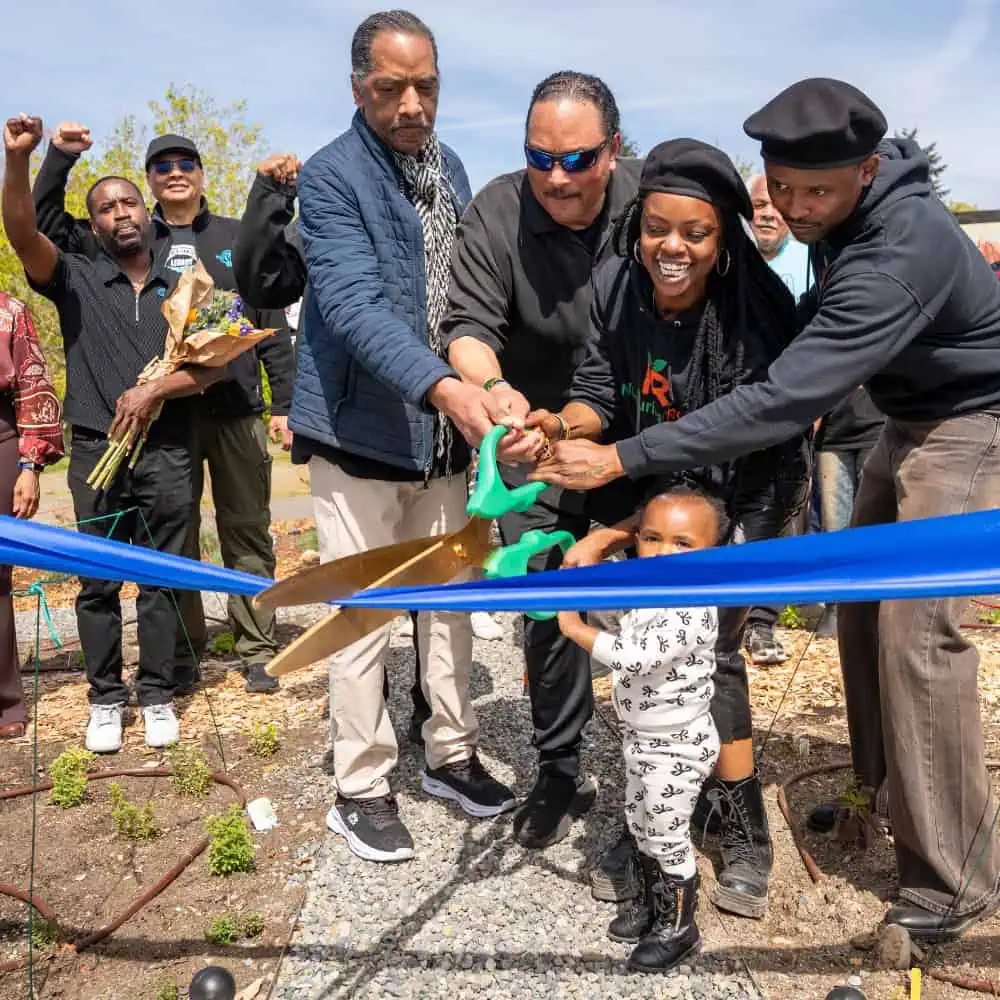
Black Panther Park in Skyway Becomes First Black Panther Park in the World
The new community garden honors the Black Panther Party’s legacy of food justice and the Skyway neighbors who helped bring it to life.
On a sunny Sunday earlier this month, at the corner of 75th Avenue and Renton Avenue South, the community gathered for the opening of Skyway’s Black Panther Park. Inspired by the Black Panther’s Free Breakfast for School Children program that compelled the federal government to provide breakfast in schools, Black Panther Park is a community…

Rearview Mirror: A Family Coming Apart, SIFF, and My First Fashion Show
Things I did, saw, ate, learned, or read in the past week (or so).
The Family House A house can hold a lot, and Seattle Rep’s Appropriate knows that. Branden Jacobs-Jenkins’ Tony-winning play, directed here by Timothy McCuen Piggee, drops the Lafayette siblings into their late father’s hoarded, falling-apart Arkansas plantation home for an estate sale, and lets the whole thing crack open from there. The sibling dynamics are…