




Thanks to Amazon, Seattle is Awash in Fortune-seeking Men–Again
Influx of male workers, investment in infrastructure and more indicate that Klondike 2.0 is here
By Seattle Mag January 19, 2015

This article originally appeared in the February 2015 issue of Seattle magazine.
Seattle is booming. Newcomers are swarming to town. A largely male workforce is spending big, driving up rents and real estate prices, but no one wants to complain as the good times roll; after all, the boom is following a bust that temporarily slowed Seattle’s growth plans. The transportation system is expanding—streetcars, bike lanes and new roadways are being built to handle the heavy traffic. Downtown is getting denser. The newly redeveloped waterfront is bustling. Nightlife is flourishing. The city is feeling its oats, certain that it is paving a path to a prosperous, global future.

Klondike gold rushers circa 1898; photo credit: Case V. Draper
Welcome to Seattle, in 1898.
Sounds a lot like the Seattle of 2015.
In ’98, men came here en route to the Alaskan gold rush. Today, they arrive in droves to work at Amazon. Back then, the bearded hordes wore Filson jackets and had visions of gold nuggets dancing in their heads. Today, the bearded hordes wear Filson jackets and mine consumer gold for the dominant online retailer. Both booms have reshaped the city, from its physical layout to its cultural and social life.
In ’98, the Klondike boom helped to remake downtown and Pioneer Square, still rebuilding after the great fire of 1889. The gold rush spurred investment in infrastructure, including a system of dedicated bike trails and lanes throughout the city, newly paved and graded streets, and an expanded rail system. In ’15, Amazon is the cornerstone of the makeover of South Lake Union and the Denny Triangle with its urban campuses and new headquarters, moving downtown, northward and upward. The city is investing in new and better bike lanes, attempting to fix the massive “Mercer Mess,” and the neighborhood has its own streetcar.
In ’98, more fortunes were made in Seattle than in the goldfields. Seattle’s prosperity didn’t come from the gold pan as much as selling gold pans, or fleecing the miners foolish enough to flash their dust in our local saloons. Seattle generated profits coming and going. Miners outfitted themselves here, then, if they were lucky, spent or invested their fortunes locally. George Carmack, for example, whose gold strike in 1896 launched the Klondike Gold Rush and made him a millionaire, built a fine home and was one of the first to buy a new rich man’s toy known as the automobile. He traveled Seattle streets in a steam-powered Locomobile, fitting for a town mad with gold fever.
In ’15, Amazon is hiring at high wages—software engineers can make $100K or more—and real estate and rents are headed upward. Amazon is its own gold rush: a retailer generating colossal revenues from consumer spending. It has created fortunes that have stayed in town; a friend who did well as an early Amazon employee lives in a big, classic home on Queen Anne that he has described as courtesy of “Uncle Jeff.” Instead of horseless carriages, company founder Jeff Bezos is fascinated with today’s edgy technology, such as drones to deliver packages and spaceships to take private citizens into space.
In ’98, Seattle’s “vice district” boomed as gold dust fueled prostitution, gambling and saloon fortunes. Brothels, casinos, dance halls and opium dens flourished. By 1911, Seattle was reported by the Federal Immigration Commission to be “one of the headquarters of the white slave trade” in America. Think of it as Deadwood on steroids. In ’15, according to a recent study, Seattle’s sex industry is undergoing an explosive period of growth with brothels replaced by social media and online sex sites like Backpage. Human trafficking is again a major concern; feeding libidos is a lucrative business.
There’s no evidence that this is due to Amazon men. Still, Seattle is full of socially awkward male techies. Some locals have complained that the Seattle dating scene has not been improved by the influx of the company’s “brogrammers.” Seattle Times columnist Nicole Brodeur, writing in Politico, described the landscape as “feeling the rising tide of well-paid, educated men in boyish jeans, sneakers and T-shirts who would rather talk code than meet cute.” Writer Tricia Romano has documented her disappointment dating Amazon’s “lumbersexuals” who, she says, are young, self-absorbed, work-obsessed and talk “the kind of talk that shuts vaginas down cold.”
The thing about gold rushes is that they are temporary. The Klondike faded, though Alaska continues to yield gold (fish, oil, timber, late-night comedy fodder from Sarah Palin). We know from personal experience that tech bubbles can burst: The dot-com bust of 2000 is fresh in the memory. Some wonder whether or not the still-not-making-a-profit Amazon is the next to pop. Former Microsoft manager Jeff Reifman, a critic of tech morality, wondered in Geekwire about the company’s sustainability, quoting no less an authority than Steve Ballmer, former Microsoft CEO, who observed about Amazon, “If you are worth $150 billion, eventually somebody thinks you’re going to make $15 billion pre tax. They make about zero, and there’s a big gap between zero and 15.” We love those high-paying jobs, but how much is built on vapor?
Nothing is entirely reliable these days. Even old Boeing is leaving us, albeit in slow drips. Bubbles and busts might be all we have to hang on to in the modern economy. Each big startup can be a new Klondike. One thing is sure: Gold rushes past and present reshape the city. Even if Amazon fades, its mark is already permanent.
Follow Us
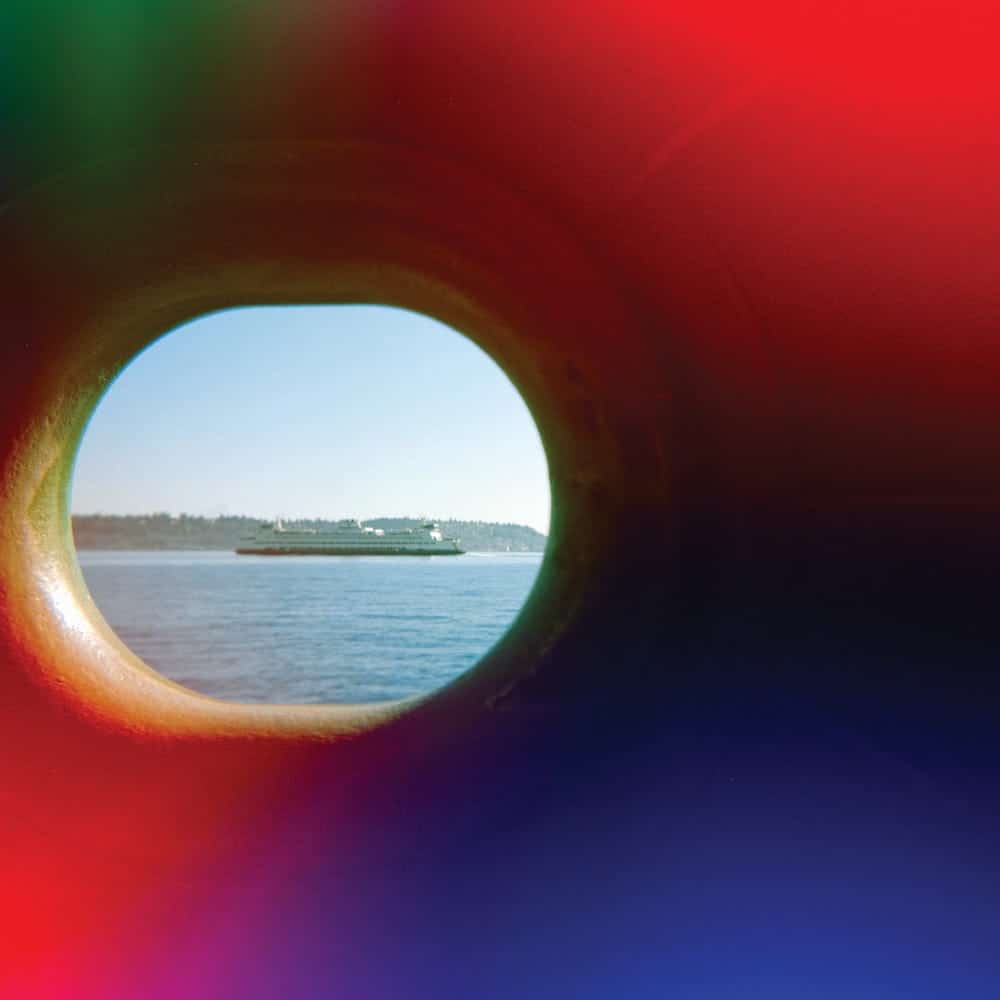
Photo Essay: Ferry Therapy
Words and photographs by Anna Starr.
Riding the ferry is my favorite Seattle pastime. At any given time on a Washington State Ferry you will find a group of tourists with too many suitcases, someone in work clothes peacefully napping, a jigsaw puzzle diligently being completed, lovers having a Titanic-esque moment on a balcony (fun fact: those balconies are called pickleforks),…
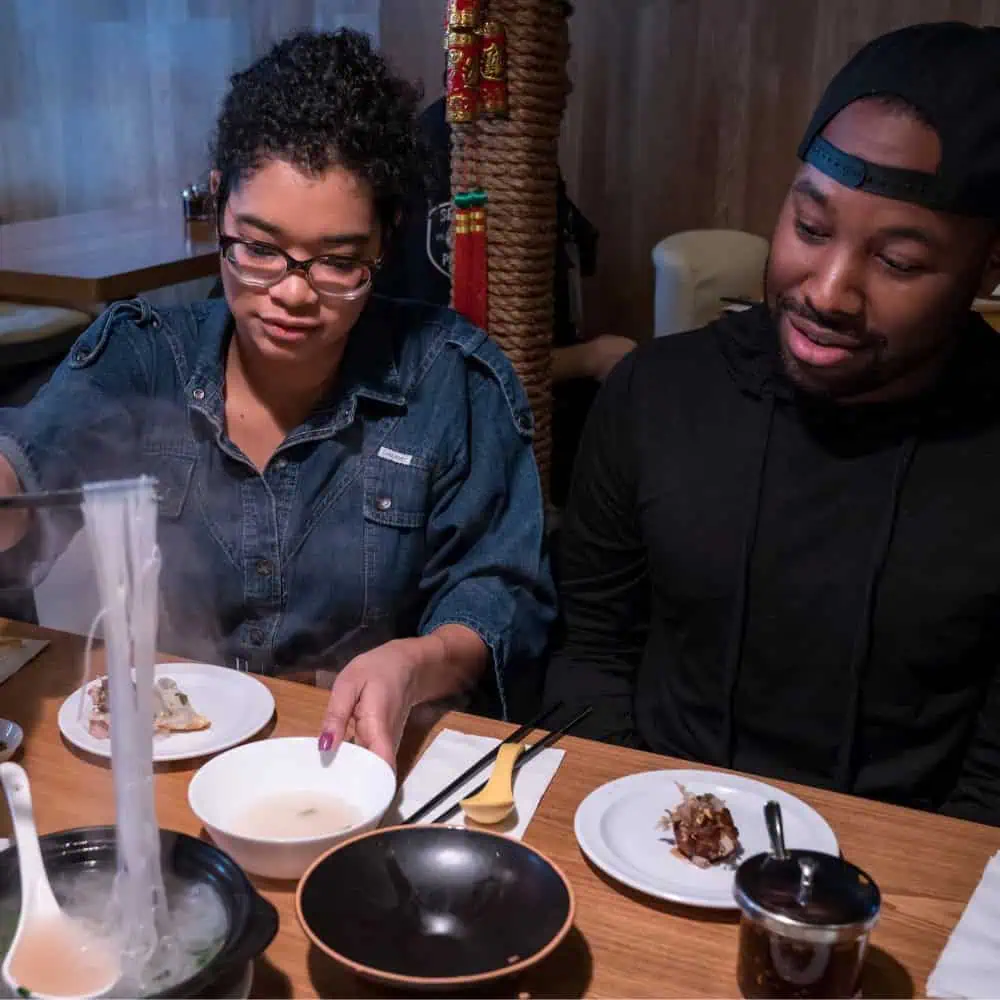
AANHPI Month: Where to Celebrate, Eat, and Learn Around Seattle
From festivals and museum exhibits to food tours and historic neighborhoods, here are a few ways to mark the month across the region.
Asian American, Native Hawaiian, and Pacific Islander Heritage Month—known as AANHPI Month—is observed in the U.S. each May. It began as a weeklong observance in 1978 and expanded to the full month in 1992. Asian, Hawaiian, and Pacific Islander communities in the United States extend back much further, including to the late 16th century, when…
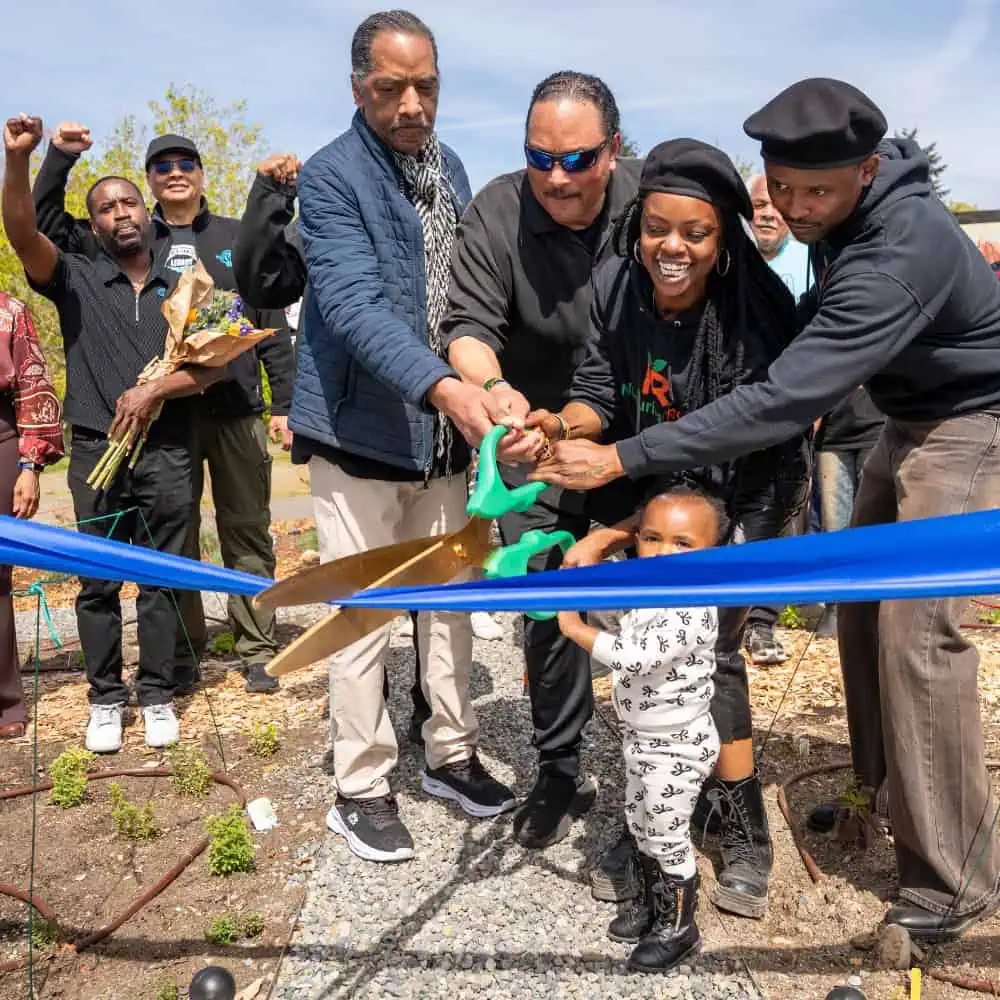
Black Panther Park in Skyway Becomes First Black Panther Park in the World
The new community garden honors the Black Panther Party’s legacy of food justice and the Skyway neighbors who helped bring it to life.
On a sunny Sunday earlier this month, at the corner of 75th Avenue and Renton Avenue South, the community gathered for the opening of Skyway’s Black Panther Park. Inspired by the Black Panther’s Free Breakfast for School Children program that compelled the federal government to provide breakfast in schools, Black Panther Park is a community…
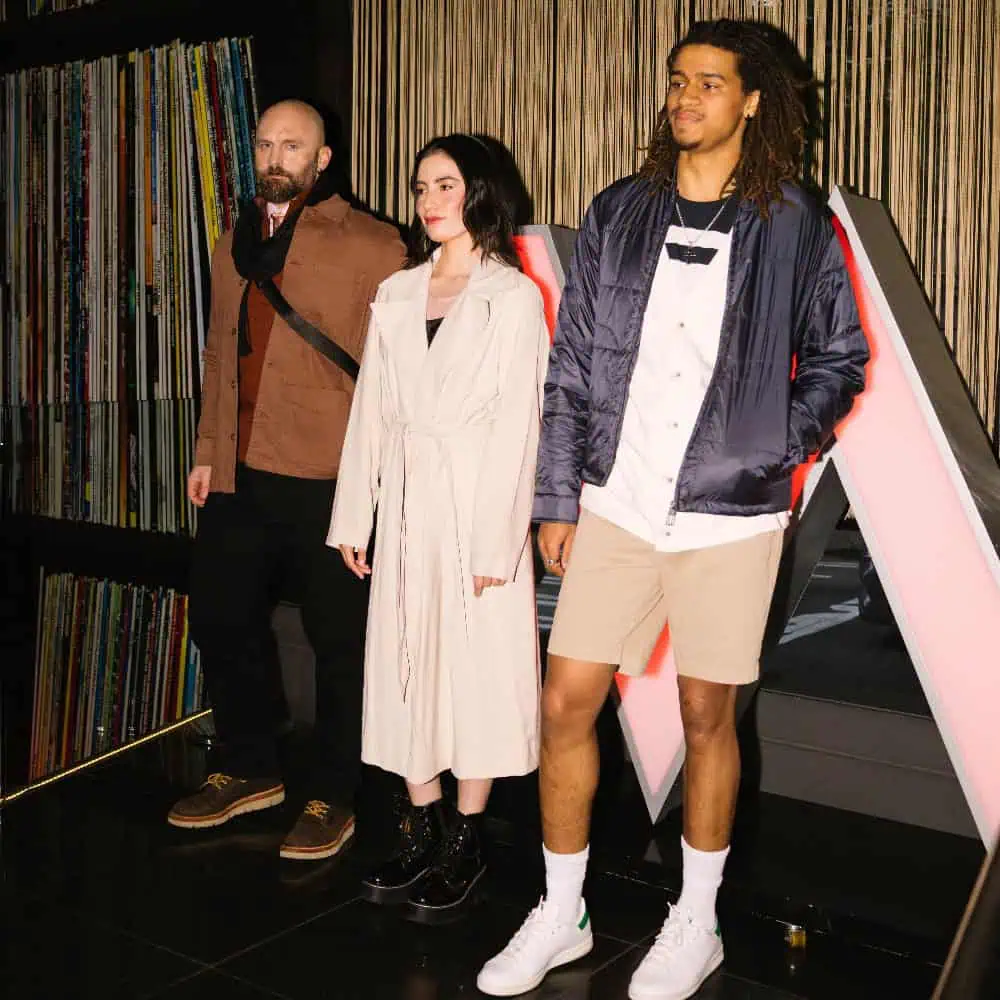
Rearview Mirror: A Family Coming Apart, SIFF, and My First Fashion Show
Things I did, saw, ate, learned, or read in the past week (or so).
The Family House A house can hold a lot, and Seattle Rep’s Appropriate knows that. Branden Jacobs-Jenkins’ Tony-winning play, directed here by Timothy McCuen Piggee, drops the Lafayette siblings into their late father’s hoarded, falling-apart Arkansas plantation home for an estate sale, and lets the whole thing crack open from there. The sibling dynamics are…