




The Urban Death Project: Should We Compost Human Remains?
Katrina Spade designs a green alternative to traditional burial and cremation
By Mandolin Brassaw October 6, 2014
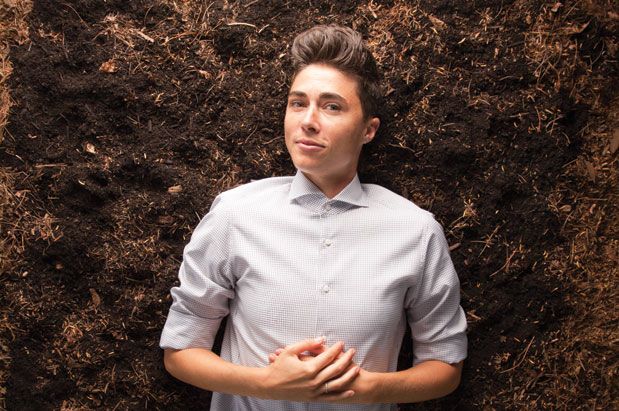
This article originally appeared in the October 2014 issue of Seattle magazine.
In the face of shrinking land resources and concerns about carbon footprints, what do we do with our loved ones when they die? For Katrina Spade, 37, a Capitol Hill–based designer with a master’s degree in architecture, that question arose after she had two kids and began thinking about her own mortality. Traditional burial and cremation both came with environmental consequences that didn’t sit well with her, so she proposed an alternative as a part of her master’s thesis. Called the Urban Death Project, the basic concept is a several-storied building, within city limits, in which a collective pile of bodies can compost over time and ultimately be used as fertilizer. Though not religious, Spade appreciates a sense of ritual—evidenced by her graceful renderings, in which ramps wind up to the top floor, where family members or “death midwives” could wrap the body in linen, say goodbye and gently deposit it into a heap of wood chips and sawdust (which act as a filter to break down odorous gases and limit the smell). Spade recently submitted her proposal to Echoing Green, a New York City–based philanthropic institution that supports ventures for the social good, and was awarded an $80,000 fellowship to explore the idea more fully. Easygoing and not at all morbid, she posits that the compost might be used by family members, in their yards or gardens, or by open city spaces, such as Volunteer Park, where it could supply the park’s landscaping needs. “How incredible would it be to be folded back into the city you love,” she says, “and remain a part of it forever?”
NEED TO KNOW:
1/ Even though collective decomposition makes some people wary, Spade says millennials seem to love the idea. “I hope this doesn’t mean it will take another 60 years to really take off,” she adds.
2/ Seattle is the perfect place to test the concept, Spade says, given our history of innovation and commitment to the environment. Plus, “We have a sense of pride in doing things differently.”
3/ Spade is working with 2020 Engineering in Bellingham to explore permitting and licensing, which will likely be similar to those required for a crematorium. The plan is to first build a prototype on private land outside the city.
4/ Ideally, the Urban Death Project would expand to follow the model of city library branches, where each is designed by a different architect and for the needs of a particular neighborhood.
Follow Us
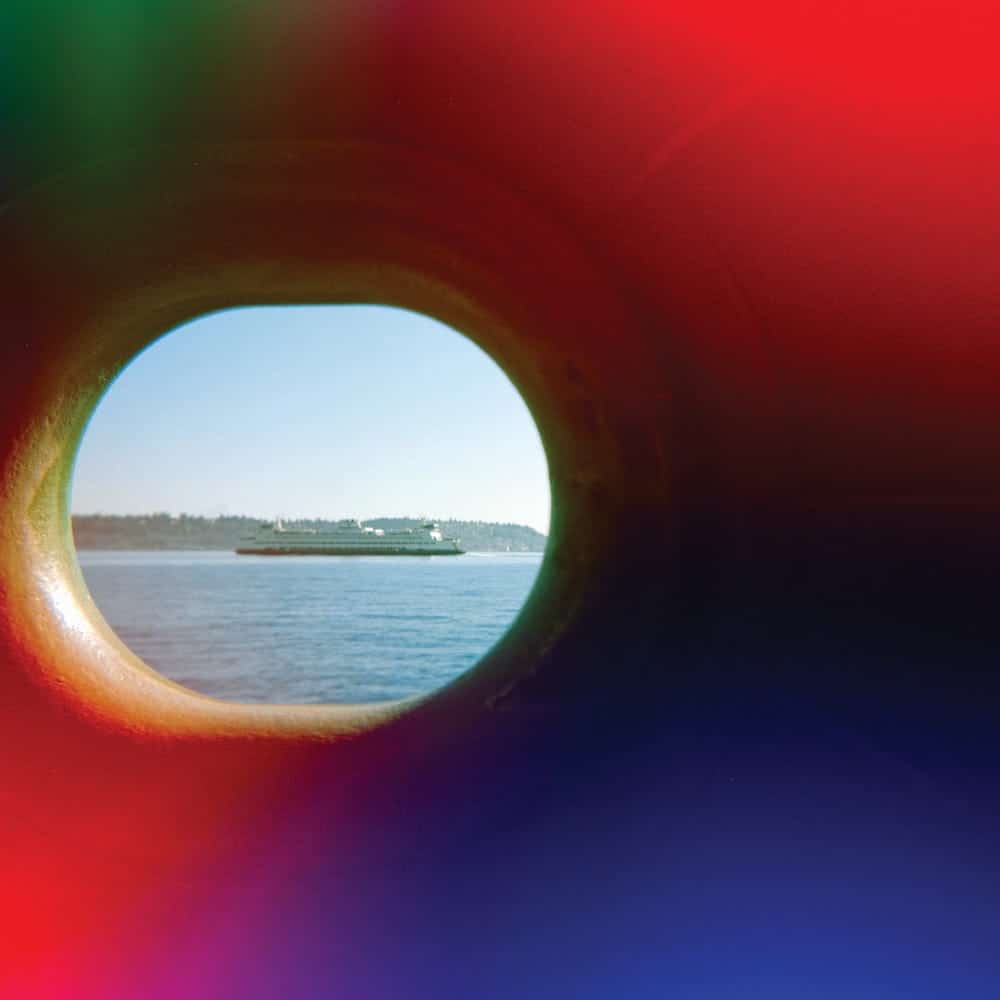
Photo Essay: Ferry Therapy
Words and photographs by Anna Starr.
Riding the ferry is my favorite Seattle pastime. At any given time on a Washington State Ferry you will find a group of tourists with too many suitcases, someone in work clothes peacefully napping, a jigsaw puzzle diligently being completed, lovers having a Titanic-esque moment on a balcony (fun fact: those balconies are called pickleforks),…
AANHPI Month: Where to Celebrate, Eat, and Learn Around Seattle
From festivals and museum exhibits to food tours and historic neighborhoods, here are a few ways to mark the month across the region.
Asian American, Native Hawaiian, and Pacific Islander Heritage Month—known as AANHPI Month—is observed in the U.S. each May. It began as a weeklong observance in 1978 and expanded to the full month in 1992. Asian, Hawaiian, and Pacific Islander communities in the United States extend back much further, including to the late 16th century, when…
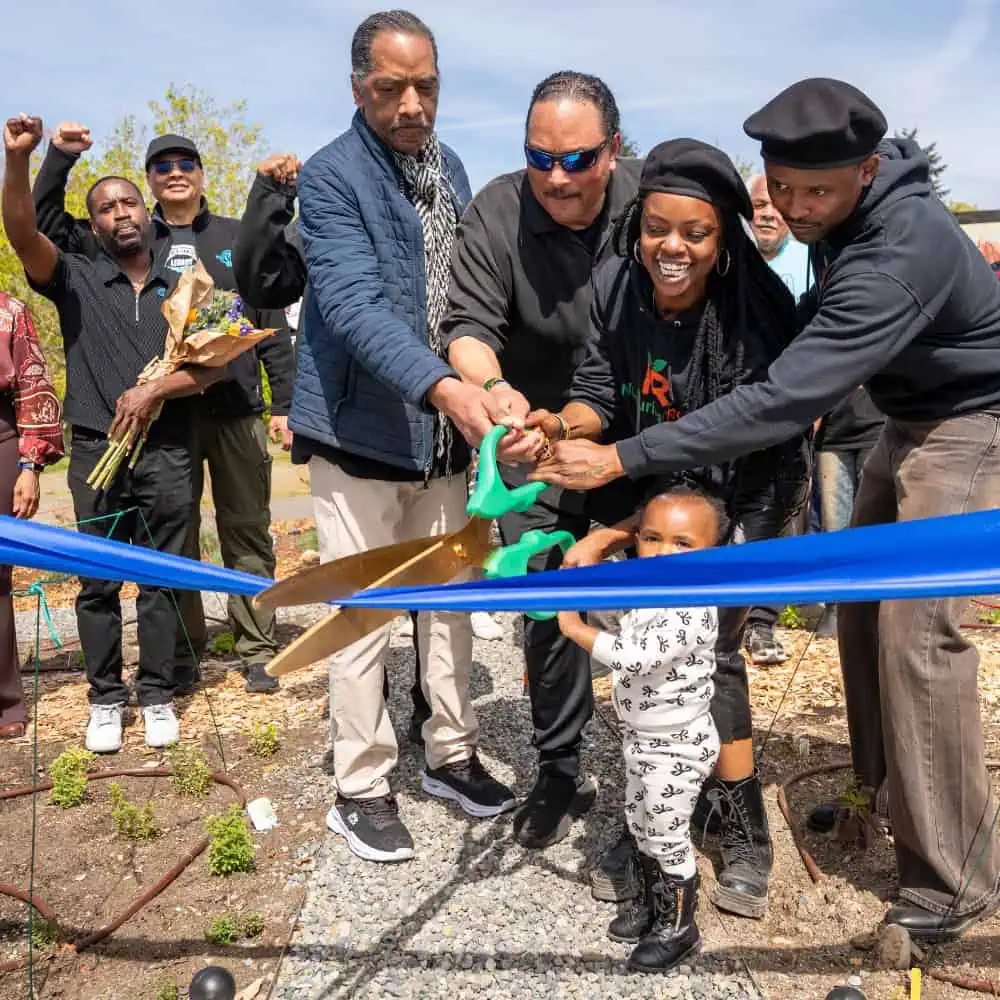
Black Panther Park in Skyway Becomes First Black Panther Park in the World
The new community garden honors the Black Panther Party’s legacy of food justice and the Skyway neighbors who helped bring it to life.
On a sunny Sunday earlier this month, at the corner of 75th Avenue and Renton Avenue South, the community gathered for the opening of Skyway’s Black Panther Park. Inspired by the Black Panther’s Free Breakfast for School Children program that compelled the federal government to provide breakfast in schools, Black Panther Park is a community…

Rearview Mirror: A Family Coming Apart, SIFF, and My First Fashion Show
Things I did, saw, ate, learned, or read in the past week (or so).
The Family House A house can hold a lot, and Seattle Rep’s Appropriate knows that. Branden Jacobs-Jenkins’ Tony-winning play, directed here by Timothy McCuen Piggee, drops the Lafayette siblings into their late father’s hoarded, falling-apart Arkansas plantation home for an estate sale, and lets the whole thing crack open from there. The sibling dynamics are…