




UW Researchers Find a Way to Link Two Brains Together
The power of the human mind makes brain-to-brain communication a possibility
By Jennifer McCullum November 25, 2015
This article originally appeared in the December 2015 issue of Seattle magazine.
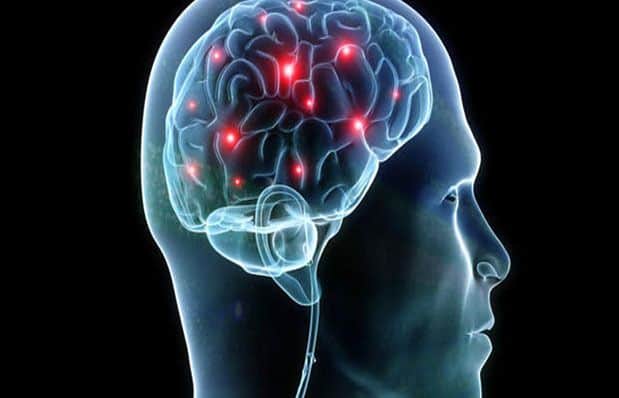
Who would’ve thought that the old parlor game 20 Questions would help researchers link two brains together? University of Washington researchers at the Institute for Learning & Brain Sciences used the game to help them learn how to read minds.
In a recent experiment, two participants sitting in labs a mile apart played the question-and-answer game by transmitting signals to each other over the Internet. One participant (the respondent) wore an electrode cap for conducting an electroencephalogram (EEG), which picks up the brain’s electrical patterns; the other (the inquirer) wore a cap with a conductor positioned over the visual cortex of the brain. The respondent saw an image of the object to be guessed on a computer screen, and the inquirer saw a list of objects and questions. The inquirer then clicked a mouse to send a question, and the respondent answered yes or no by focusing on flashing LED lights on the monitor.
The response was transmitted back to the inquirer as a visual signal, with a burst of light indicating “yes.” By this process, the participants were able to transmit signals to each other and accurately guess the object in question. After receiving a $1 million grant last year, researchers Rajesh Rao, Andrea Stocco and Chantel Prat are expanding their work to decode more complicated brain-to-brain interactions, such as transferring signals from a healthy brain to an unhealthy brain to help those who have suffered a stroke, or sending signals from a focused brain to someone with ADHD. Either way, this is straight out of the realm of science fiction—except that it has already become reality.
Follow Us
AANHPI Month: Where to Celebrate, Eat, and Learn Around Seattle
From festivals and museum exhibits to food tours and historic neighborhoods, here are a few ways to mark the month across the region.
Asian American, Native Hawaiian, and Pacific Islander Heritage Month—known as AANHPI Month—is observed in the U.S. each May. It began as a weeklong observance in 1978 and expanded to the full month in 1992. Asian, Hawaiian, and Pacific Islander communities in the United States extend back much further, including to the late 16th century, when…
Black Panther Park in Skyway Becomes First Black Panther Park in the World
The new community garden honors the Black Panther Party’s legacy of food justice and the Skyway neighbors who helped bring it to life.
On a sunny Sunday earlier this month, at the corner of 75th Avenue and Renton Avenue South, the community gathered for the opening of Skyway’s Black Panther Park. Inspired by the Black Panther’s Free Breakfast for School Children program that compelled the federal government to provide breakfast in schools, Black Panther Park is a community…
Rearview Mirror: A Family Coming Apart, SIFF, and My First Fashion Show
Things I did, saw, ate, learned, or read in the past week (or so).
The Family House A house can hold a lot, and Seattle Rep’s Appropriate knows that. Branden Jacobs-Jenkins’ Tony-winning play, directed here by Timothy McCuen Piggee, drops the Lafayette siblings into their late father’s hoarded, falling-apart Arkansas plantation home for an estate sale, and lets the whole thing crack open from there. The sibling dynamics are…
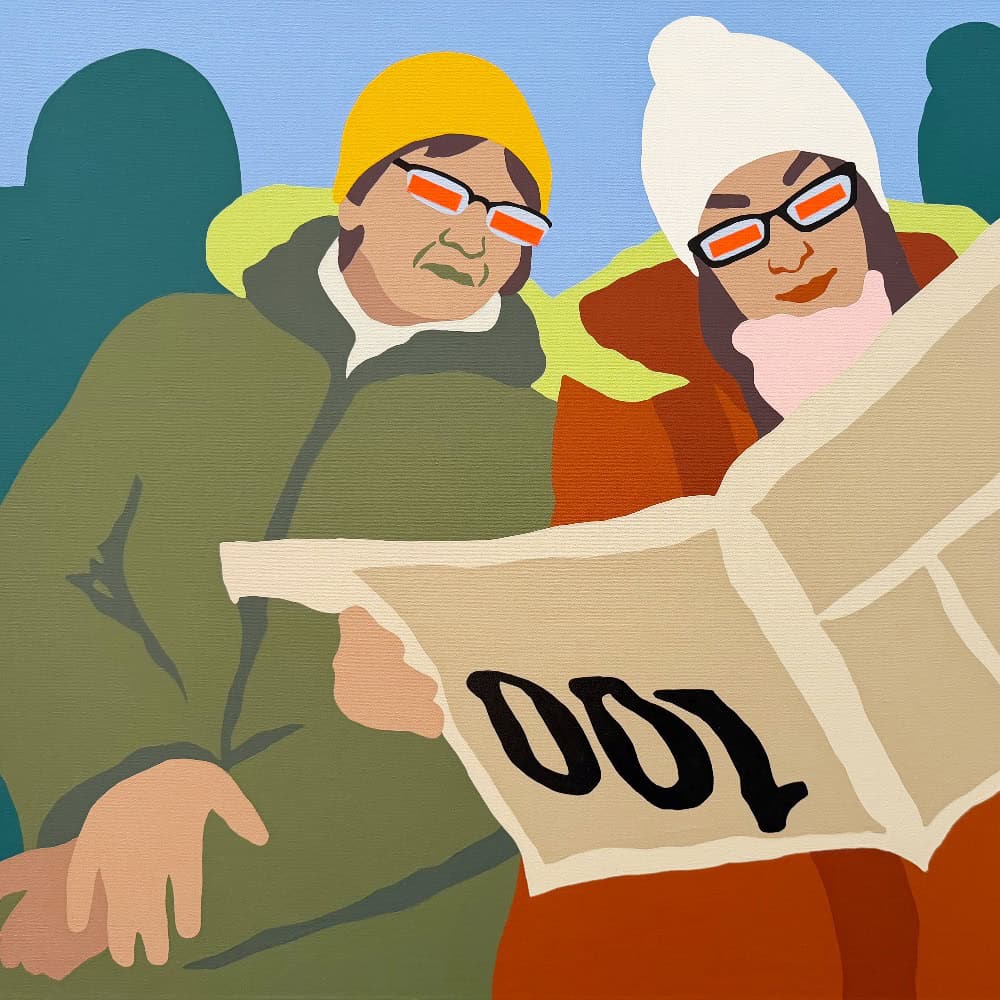
Studio Sessions: Raili Jänese
The Kirkland painter brings a playful eye to daily life and the little rituals of being human.
Artist Raili Jänese pays close attention to the small stuff. It might be a goose on the move, a rabbit in the yard, or a person lost in the rituals of coffee or cooking. The Estonian-born artist, now based in Kirkland, makes colorful acrylic works that turn everyday behavior—human and animal alike—into something funny and…