




Ai Weiwei’s Biggest U.S. Show Opens at SAM
The retrospective covers 40 years of the conceptual artist’s career
 By Rachel Gallaher March 19, 2025
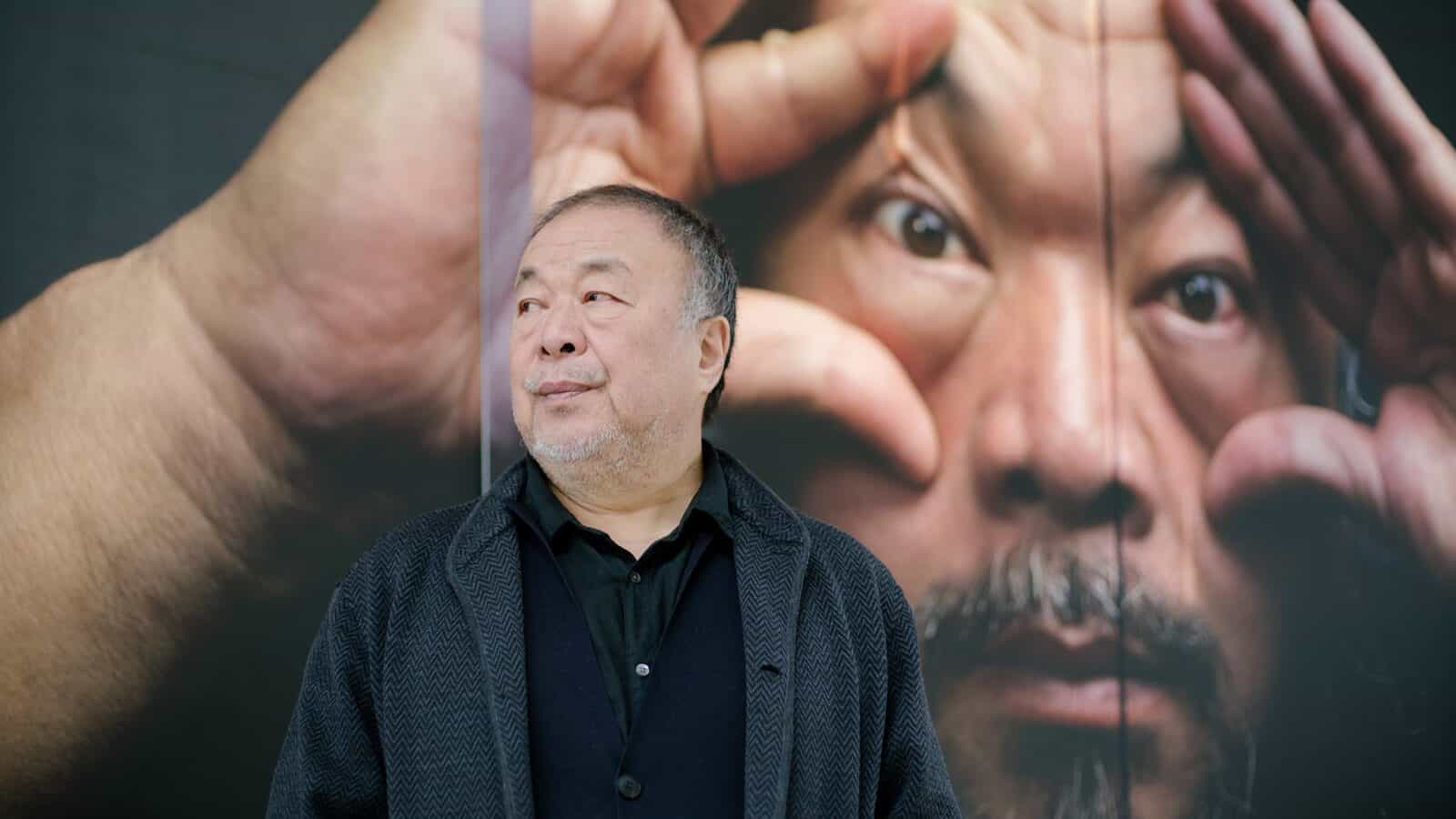
This week, the Seattle Art Museum opened the largest-ever U.S. exhibition featuring the work of Chinese artist and activist Ai Weiwei. Spanning four decades of the artist’s career, Ai, Rebel: The Art and Activism of Ai Weiwei (March 12–Sept. 7) includes 130 works — a mix of sculpture, video, painting, wallpaper, furniture, and installation — that cover Ai’s creative progression, his interest and experiments with materiality, and his activism efforts, especially in regard to those facing oppression, catastrophic events, and state-run surveillance.

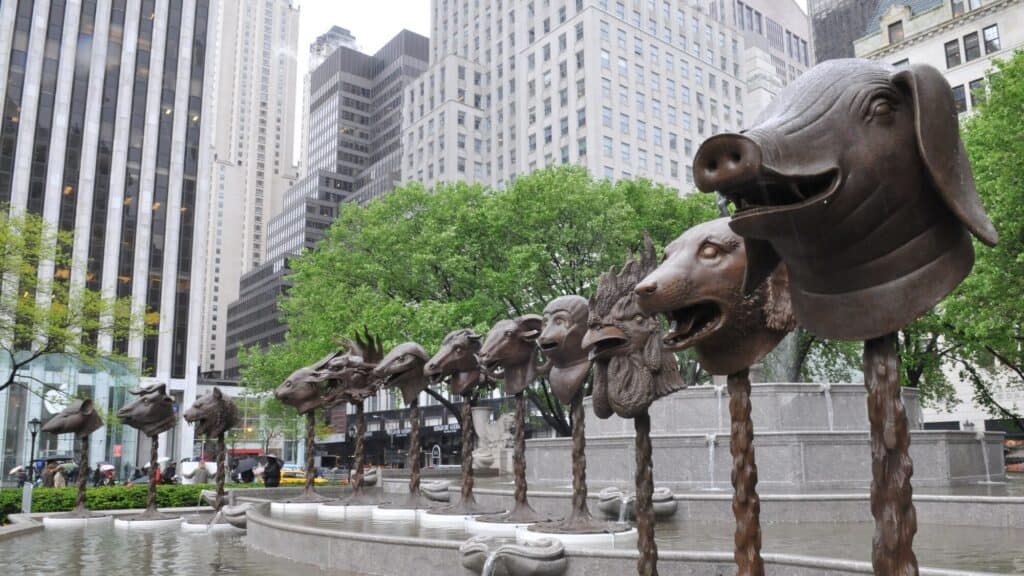
In addition to the downtown flagship location, Seattle Asian Art Museum and Olympic Sculpture Park will also present work from the artist, bringing the city a unique opportunity to explore the infamous creative’s work across three different contexts.
“This show was accomplished on an incredibly compressed timeline,” says Foong Ping, Seattle Art Museum’s Foster Foundation Curator of Chinese Art at a press preview for the show. “Only 13 months ago the show was not even a twinkle in (my) eye.”
Given the current social and political climate in America, the timing couldn’t have been more perfect. Born in 1957, the son of poet Ai Qing, Ai spent his childhood in several remote areas of China, where his father was sent to labor camps, labeled as a “rightest” by the government. After attending the Beijing Film Academy he moved to New York, first trying his hand at painting, then sculpture, before returning to China in 1993 when his father fell ill.
While in Beijing, Ai’s practice became more political: He started working with centuries-old Chinese artifacts, such as Han Dynasty urns, painting them with the Coca-Cola logo or documenting himself dropping them to the ground and shattering into pieces (examples of both can be seen in Ai, Rebel). It was blatant commentary on mass-production, cultural values, authenticity, and globalization. As Ai gained more fame for his work, he also became a target of criticism from the Chinese government. He has had his studio bulldozed twice, and in 2011, two weeks after the destruction of his Shanghai space, he spent 81 days in jail — a life-size replica of the room where he was kept is part of the current exhibition.
“The show is timely,” Ping says, “but it is a survey of 40 years. How does one summarize a life in 40 years, let alone a life as incredibly rich, complex, and interesting as Ai Weiwei’s?”
It’s a valid question, and one the museum seeks to answer by literally starting with the roots. Opening the exhibition is Tree, an 18-foot-tall sculpture, made from pieces of wood collected in the Jiangxi province. Like the tree, Ai’s roots — his childhood in exile, exposure to New York in the ’80s, the end of the Cultural Revolution — feed his work, clearly shaping the direction and substance of his practice.
“I saw this work,” Ping says of Tree, “and immediately texted the team to ask if our floors could hold this weight.” The opening gallery also includes Study of Perspective, a series of photographs taken around the world, in which the artist holds up a middle finger to buildings and architectural icons (the Eiffel Tower, the White House, Tiananmen Square) that represent institutional authority and systems of control. Throughout the exhibition, Ai uses humor and irony as a tool to provoke deeper contemplation of serious topics.
For someone who creates such powerful art, Ai is soft-spoken, but also straightforward. During a Q&A at the press preview, he talked about topics that weave through the exhibition, such as how to effectively bring about change in challenging times — a poignant query in a time when, for many, political and cultural feels almost insurmountable. “How to make change?” Ai mused. “Remain conscious and active. By doing that I think I will change in many ways. When an individual acts on its own beliefs, change will happen.”

It’s a guiding principle that the artist has clearly followed throughout his career, especially in standing up for those who don’t have a voice: immigrants, refugees, political dissidents, natural disaster victims. Snake Ceiling (2019), is a particularly poignant piece, made up of 857 children’s backpacks as a remembrance of the children killed in the Sechaun earthquake of 2008. A nearby work, Names of the Earthquake Victims Found by the Citizen’s Investigation includes more than 5,000 entries.
This may be the largest retrospective of Ai’s work in the U.S. to date, but the artist makes it clear that he is always looking forward. “It’s kind of strange to look at,” he says of the works collected at SAM. “I only like them before I make it. Once I make it, it’s past, and I have a lot of questions and problems ahead of me.”
“Ai, Rebel: The Art and Activism of Ai Weiwei” runs through Sept. 7 at Seattle Art Museum. “Ai Weiwei: Water Lilies” opens at the Seattle Asian Art Museum on March 19, and “Circle of Animals/Zodiac Heads (Bronze)” will be installed by May 19. Tickets here.
Follow Us
Photo Essay: Ferry Therapy
Words and photographs by Anna Starr.
Riding the ferry is my favorite Seattle pastime. At any given time on a Washington State Ferry you will find a group of tourists with too many suitcases, someone in work clothes peacefully napping, a jigsaw puzzle diligently being completed, lovers having a Titanic-esque moment on a balcony (fun fact: those balconies are called pickleforks),…
AANHPI Month: Where to Celebrate, Eat, and Learn Around Seattle
From festivals and museum exhibits to food tours and historic neighborhoods, here are a few ways to mark the month across the region.
Asian American, Native Hawaiian, and Pacific Islander Heritage Month—known as AANHPI Month—is observed in the U.S. each May. It began as a weeklong observance in 1978 and expanded to the full month in 1992. Asian, Hawaiian, and Pacific Islander communities in the United States extend back much further, including to the late 16th century, when…
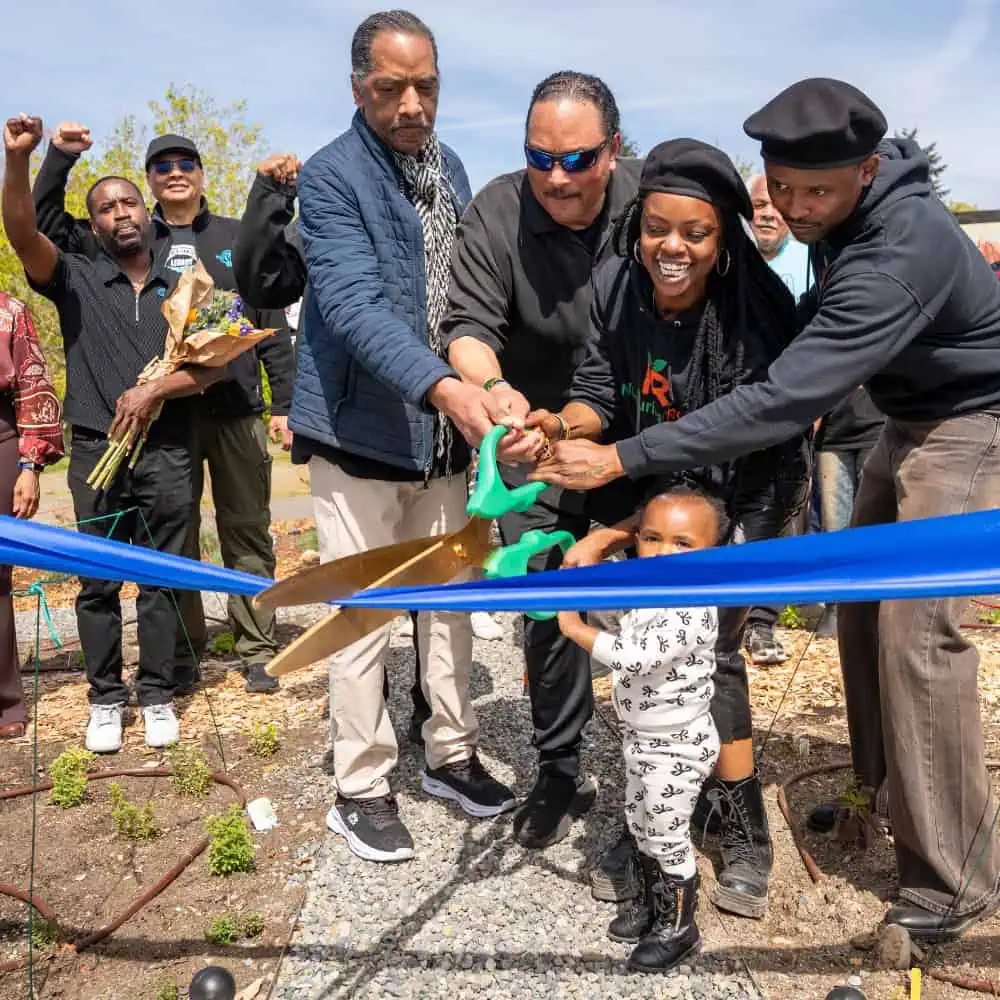
Black Panther Park in Skyway Becomes First Black Panther Park in the World
The new community garden honors the Black Panther Party’s legacy of food justice and the Skyway neighbors who helped bring it to life.
On a sunny Sunday earlier this month, at the corner of 75th Avenue and Renton Avenue South, the community gathered for the opening of Skyway’s Black Panther Park. Inspired by the Black Panther’s Free Breakfast for School Children program that compelled the federal government to provide breakfast in schools, Black Panther Park is a community…
Rearview Mirror: A Family Coming Apart, SIFF, and My First Fashion Show
Things I did, saw, ate, learned, or read in the past week (or so).
The Family House A house can hold a lot, and Seattle Rep’s Appropriate knows that. Branden Jacobs-Jenkins’ Tony-winning play, directed here by Timothy McCuen Piggee, drops the Lafayette siblings into their late father’s hoarded, falling-apart Arkansas plantation home for an estate sale, and lets the whole thing crack open from there. The sibling dynamics are…