




Entertainment Producer Kyu Lee Talks Seattle, UW and His Hollywood Career
Studio veteran is now working with K-pop girl group ifeye
By Daniel Anderson May 29, 2025
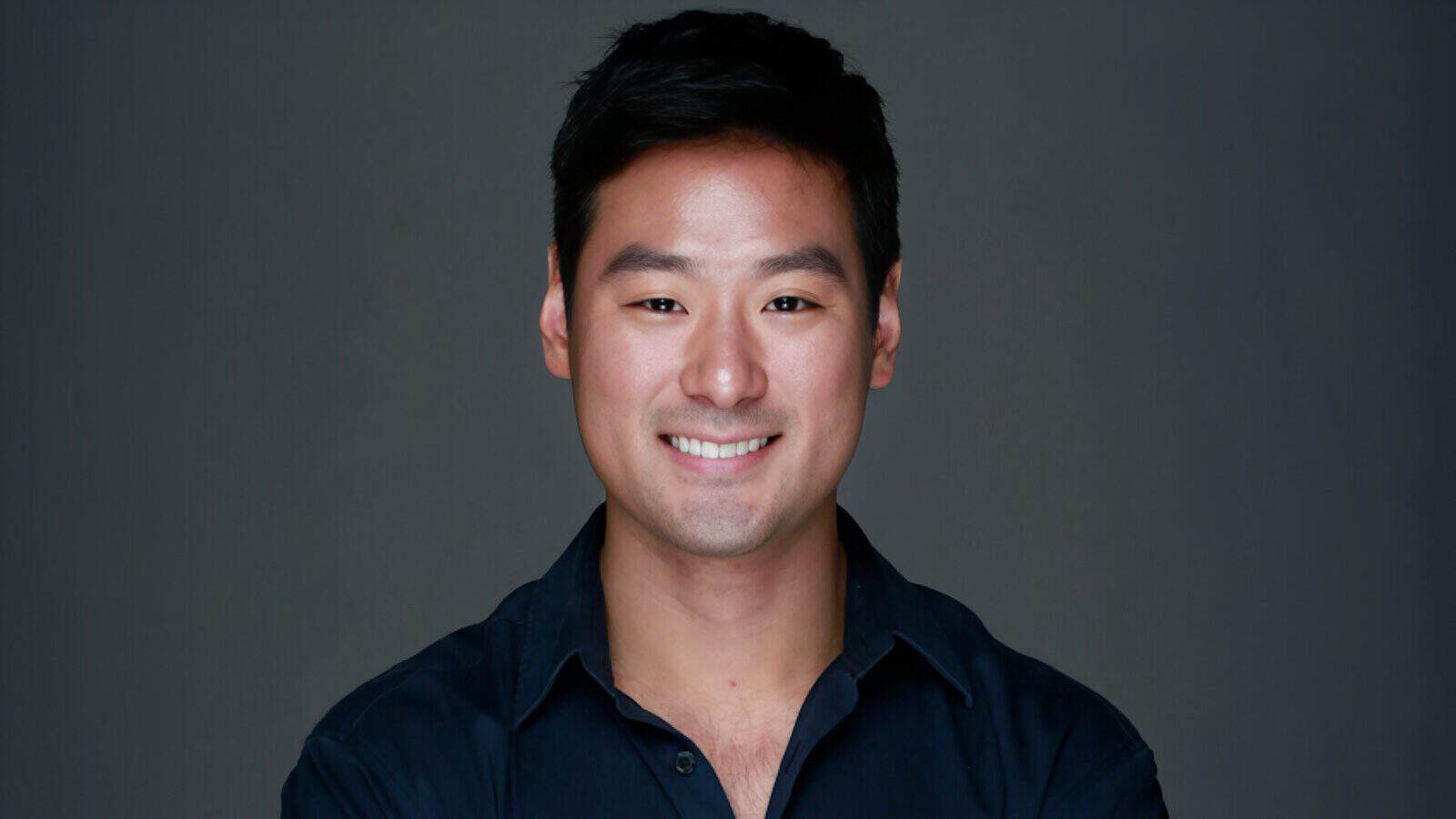
Kyu Lee has long been a behind-the-scenes force bridging Hollywood and Hallyu (the Korean Wave). A proud University of Washington alum and former Husky wide receiver, Lee is now the vice president of Hi-Hat Entertainment, the company behind rising K-pop girl group ifeye.

Over the years, he’s helped connect East and West — introducing South Korean rapper and songwriter PSY to American businessman and investor Scooter Braun, as well as sparking the global explosion of PSY’s song, “Gangnam Style.”
He has also managed Squid Game and Star Wars: The Acolyte star Lee Jung-jae, and has worked on blockbuster franchises such as Spider-Man and Casino Royale during his tenure at Sony Pictures. In this conversation, Lee reflects on his Seattle roots, his career journey, and why he still makes time to give back.
Let’s start with your ties to Seattle. It’s an honor to be featured in Seattle magazine. This means more to me than some national outlets because Seattle is home. I was born on a U.S. military base in Itaewon, Korea, but my family moved to Mercer Island when I was 2. My dad worked as a military contractor. I grew up there, my family still lives there, and I keep a home in the area. I come back every couple of months. Seattle is in my roots.
You studied drama at UW. How did that shape your path? I originally applied to the business school but didn’t get in — it was competitive, and I panicked. Right across the street was the drama department. I’d always had a fear of public speaking, so I figured, why not confront it head-on? Drama taught me to project confidence, communicate clearly, and connect with people. Those are business skills they don’t really teach in business school. I even snuck into business lectures to get both sides. UW gave me the ultimate student experience.
What was your early career in the entertainment industry like? In 2001, I’d just graduated and was visiting L.A. A friend and I went to see the Oscars from across the street, and I somehow got swept into a group that included Chow Yun-fat, Michelle Yeoh, and Ang Lee. Security thought I was with them and let me in. I ended up inside the Shrine Auditorium as Crouching Tiger, Hidden Dragon made history. That moment changed my life. I networked at the afterparty, met a Sony executive, and within months I had my first job in marketing.
Back then, most Asians at the studio were in IT or home entertainment. I was one of the only ones in the creative department. I worked in marketing, then moved into the chairman’s office and eventually international. That global role led me to Korea, where I helped localize studio releases. It was rare for someone like me to be in those rooms at the time.
How did the song ‘Gangnam Style’ shift things for you personally? Before Gangnam Style, I identified more as American than Korean. My mom even discouraged me from making Asian friends, thinking success meant assimilation. I barely spoke Korean and didn’t even like Korean food. But when the song blew up, everything changed. People from Italy to Brazil were asking me, “Are you Korean? Do you know that song?”
Suddenly, being Korean wasn’t obscure — it was cool. Gangnam Style was more than a viral hit. It shifted global perception. It paved the way for (boy band) BTS, (girl band) BLACKPINK, and even connections like Scooter Braun linking up with (music producer) HYBE. That moment made me proud in a way I hadn’t felt before.
You’re now helping launch a new K-pop girl group. Tell me about that. I joined Hi-Hat Entertainment to lead global strategy and bring a cinematic approach to K-pop. We built a robust trainee system, and our first group, ifeye, debuted on April 8 after years of vocal, dance, language, and media training.
I wanted their debut to feel different — more like a movie. We leaned into narrative-heavy visuals and storytelling. Fans expected something dark and moody from the teasers, but the debut track “Nerdy” surprised people with its bubbly, fresh energy.
You’re still deeply involved with UW and Seattle. Why is that important to you? In 2018, I became the first international trustee for UW and served two terms. My role was about building bridges — connecting global alumni back to the university, especially in Asia. Last month, I flew back to Seattle for a K-pop dance event at PopRox Studio in Capitol Hill. UW asked me to speak beforehand. I shared my story, got people energized before the class, and spotlighted ifeye’s debut. These kinds of events help maintain community and remind people what’s possible.
I give back because people gave me a shot. Sony Pictures opened a door that changed my life. As assistant to the studio chairman, I had access to a Rolodex you couldn’t buy with names like Will Smith, Adam Sandler, and Quincy Jones. Quincy was my mentor starting when I was 22. He’d sit with me for hours over guacamole, telling stories I’ll never forget. I can’t repay what I was given — but I can pay it forward. Giving back to UW, to Seattle, to the next generation — that’s how I try to do that.
Follow Us
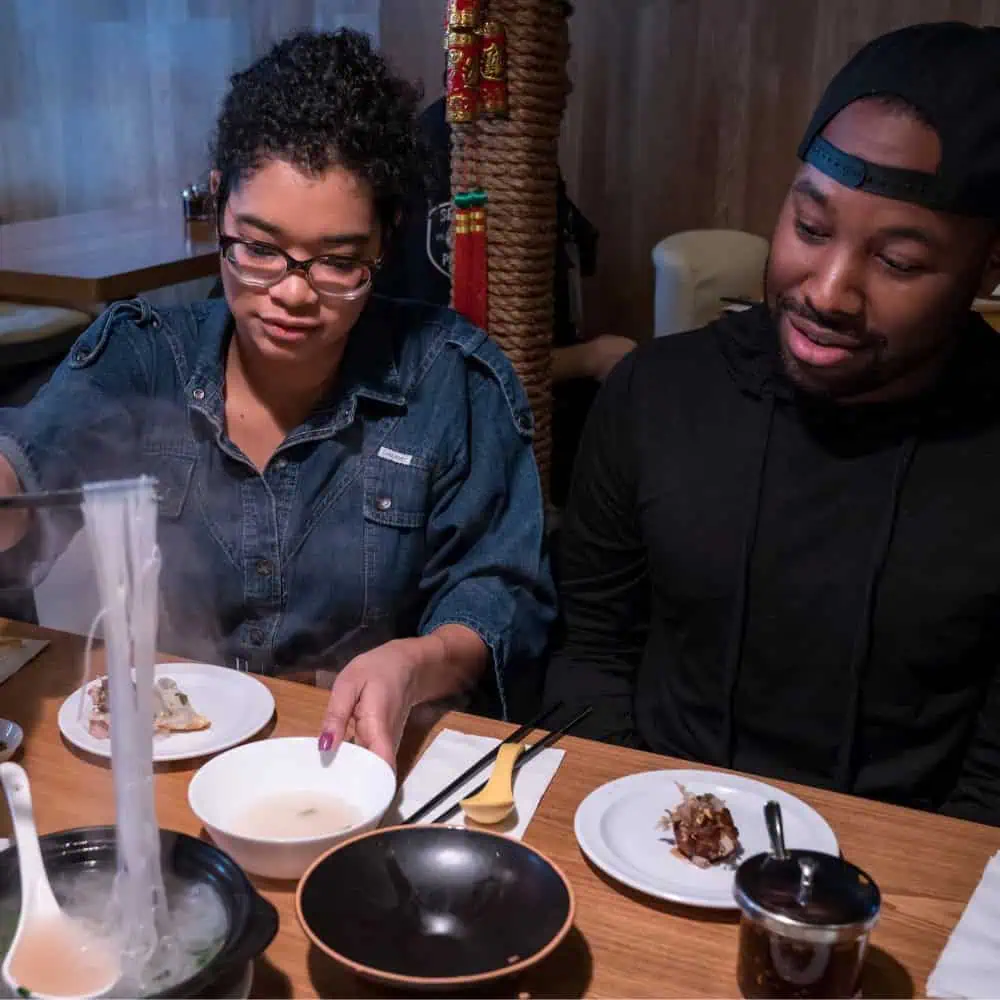
AANHPI Month: Where to Celebrate, Eat, and Learn Around Seattle
From festivals and museum exhibits to food tours and historic neighborhoods, here are a few ways to mark the month across the region.
Asian American, Native Hawaiian, and Pacific Islander Heritage Month—known as AANHPI Month—is observed in the U.S. each May. It began as a weeklong observance in 1978 and expanded to the full month in 1992. Asian, Hawaiian, and Pacific Islander communities in the United States extend back much further, including to the late 16th century, when…

Black Panther Park in Skyway Becomes First Black Panther Park in the World
The new community garden honors the Black Panther Party’s legacy of food justice and the Skyway neighbors who helped bring it to life.
On a sunny Sunday earlier this month, at the corner of 75th Avenue and Renton Avenue South, the community gathered for the opening of Skyway’s Black Panther Park. Inspired by the Black Panther’s Free Breakfast for School Children program that compelled the federal government to provide breakfast in schools, Black Panther Park is a community…
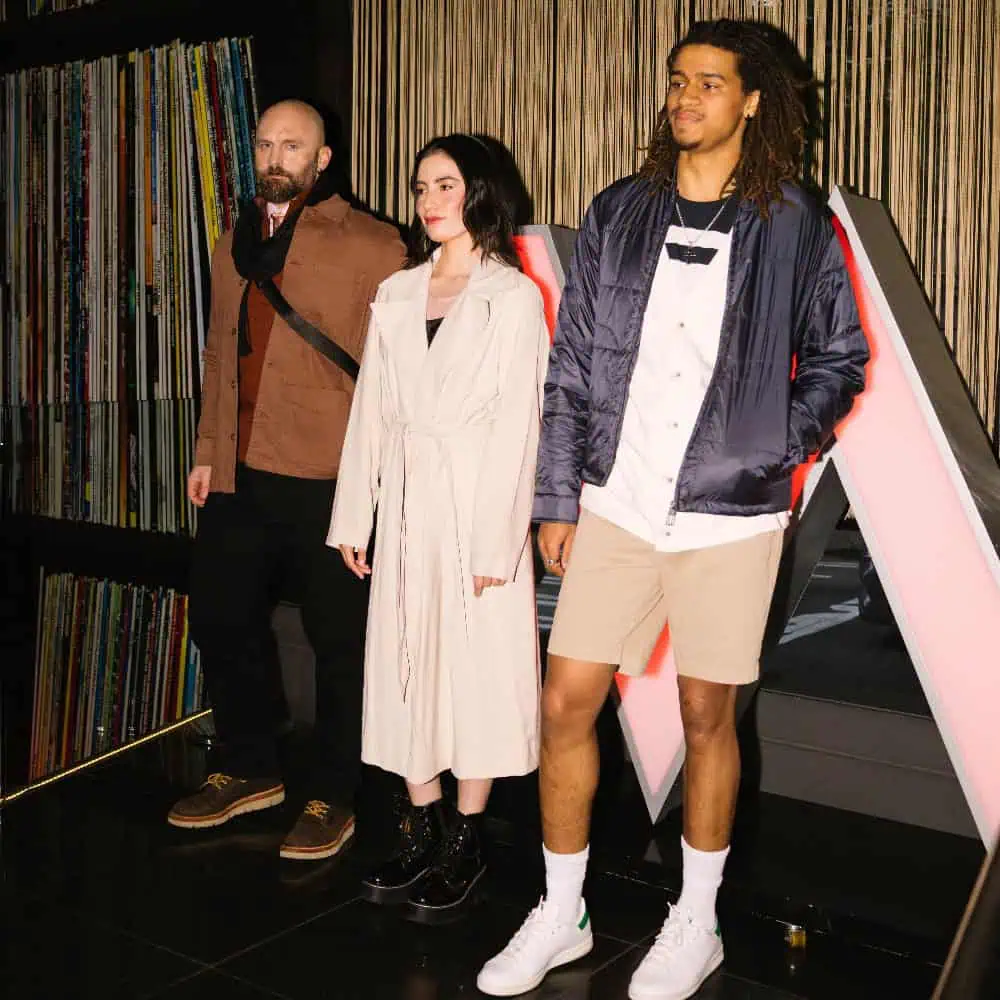
Rearview Mirror: A Family Coming Apart, SIFF, and My First Fashion Show
Things I did, saw, ate, learned, or read in the past week (or so).
The Family House A house can hold a lot, and Seattle Rep’s Appropriate knows that. Branden Jacobs-Jenkins’ Tony-winning play, directed here by Timothy McCuen Piggee, drops the Lafayette siblings into their late father’s hoarded, falling-apart Arkansas plantation home for an estate sale, and lets the whole thing crack open from there. The sibling dynamics are…
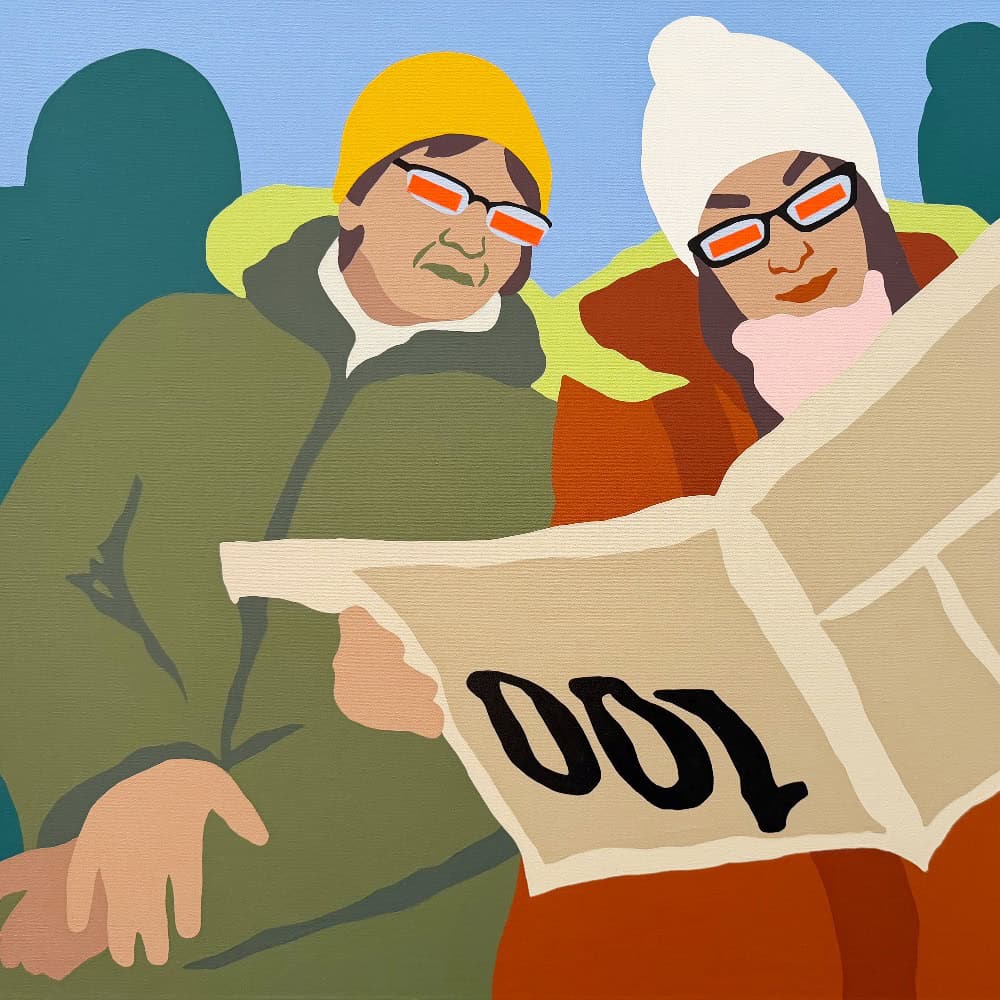
Studio Sessions: Raili Jänese
The Kirkland painter brings a playful eye to daily life and the little rituals of being human.
Artist Raili Jänese pays close attention to the small stuff. It might be a goose on the move, a rabbit in the yard, or a person lost in the rituals of coffee or cooking. The Estonian-born artist, now based in Kirkland, makes colorful acrylic works that turn everyday behavior—human and animal alike—into something funny and…